About this place
Viladecavalls is a small municipality in the Vallès Occidental comarca, in the province of Barcelona, Catalonia, bordering Terrassa and sitting at the foot of the Sant Llorenç del Munt i l'Obac mountain range. The town covers roughly 20 km² and is home to close to 9,000 residents, making it a quiet, largely rural spot within easy reach of Barcelona.
How do you get to Viladecavalls?
Viladecavalls lies about 30 km from central Barcelona, which translates to a 35–45 minute drive under normal traffic conditions. The most direct route is via the AP-7 motorway followed by local roads through Terrassa. Travellers relying on public transport can take Rodalies de Catalunya trains or the FGC line to Terrassa and continue by bus or taxi, since Viladecavalls itself has no central railway station and Terrassa functions as the main transport hub for the area. For drivers, the town also works well as a gateway into the natural park, as several local roads lead straight to trailheads in the hills.
What is there to see in Viladecavalls?
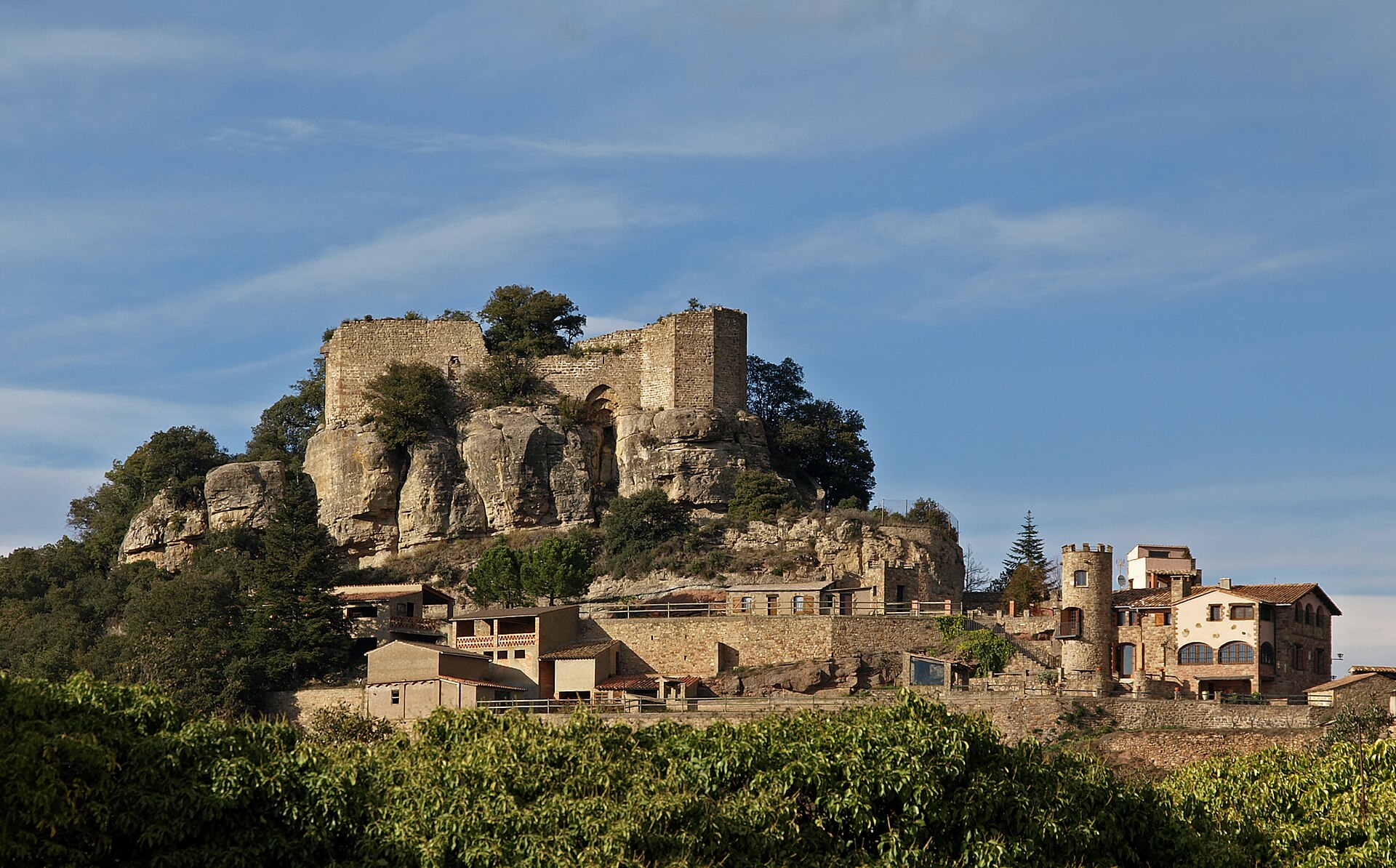
The town's main draw is its proximity to the Sant Llorenç del Munt i l'Obac natural park, a range of forested limestone hills known for distinctive rock formations and viewpoints over the whole Vallès plain. Several marked hiking and cycling routes start right from the village centre, leading to hermitages, springs, and panoramic lookout points. In the old part of the settlement, it's worth pausing at the parish church and the remains of a medieval defensive tower, a reminder of the village's former strategic position on the border between the plain and the mountains.
The valley of the Riera de les Arenes river, which cuts through the municipality, still holds traces of 19th-century industrial buildings connected to the textile industry that once thrived across the region — old water mills and workers' settlements sit within the valley landscape, offering an interesting counterpoint to the surrounding nature. This is a destination better suited to travellers looking for quiet and open-air activity than to those seeking large-scale historic monuments.
When is the best time to visit Viladecavalls?
Spring (April to June) and autumn (September to November) are the best seasons, offering comfortable temperatures for hiking and showing the natural park's vegetation at its best. Summer in the Vallès Occidental tends to be hot and dry, which can make midday walks uncomfortable, though early-morning outings on the trails remain pleasant. Winters are mild with little rainfall, suitable for shorter, more relaxed excursions. It's also worth checking the local festival calendar — the Festa Major, the town's annual patron saint celebration, draws visitors from neighbouring villages and is a good opportunity to see Viladecavalls in full festive mode.
Frequently asked questions
Is Viladecavalls suitable for a day trip from Barcelona? Yes, the distance and travel time (around 35–45 minutes by car) make it easy to combine a walk through the village with a short hike in the mountains in a single day.
Do you need a car to explore the area? A car makes it much easier to reach the trailheads inside the natural park, but the village centre and immediate surroundings can also be explored on foot after reaching Terrassa by public transport.
Are there hiking trails suitable for beginners? Yes, some of the routes around the Riera de les Arenes valley have a moderate profile and are suitable for people without extensive mountain hiking experience.
What else can be combined with a visit to Viladecavalls? Neighbouring Terrassa, with its notable modernist and industrial architecture, and the wider reaches of the Sant Llorenç del Munt i l'Obac park make natural additions to a trip in this region.
Nearby places

Earn badges for the places you visit
Download NextOnTrip, discover new places and check off your trails.