Save this place and discover nearby attractions with NextOnTrip
In the app you can add it to your favorites, see what else is worth visiting nearby on the map, and earn a badge for your visit.
The app is available for iPhone and Android.
About this place
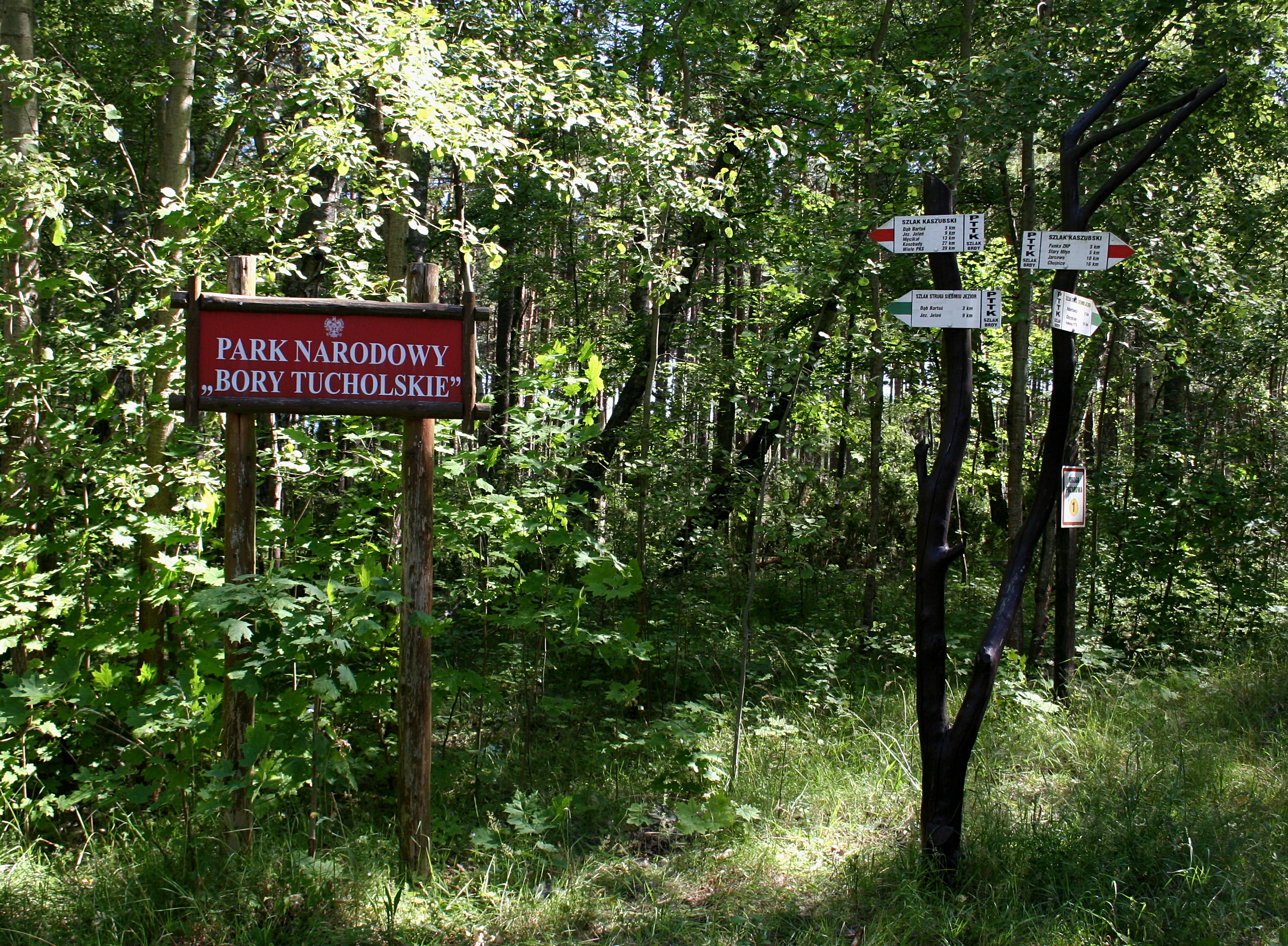
Bory Tucholskie National Park (Tuchola Forest National Park) is one of Poland's younger national parks, located in the north of the country, in Chojnice County in Pomeranian Voivodeship. It was created on 1 July 1996 in the heart of the Tuchola Forest, the largest woodland in Poland. If you want quiet, clear lakes and pine forest, this is one of the best places in northern Poland.
Where is the park and how should you think of it?
The park covers about 46 square kilometres (4,613 hectares) in the north-eastern part of the Tuchola Forest. It lies within part of the former Zaborski Landscape Park, in an area known as the Seven Lakes Stream (Struga Siedmiu Jezior). The town of Tuchola is some distance away, so it works better as a base for exploring the whole forest than the park itself. To the east, the park borders Lake Charzykowskie, a popular spot for sailing and holidays by the water.
What is the landscape like?
About 79 percent of the park is forest, mostly pine, growing on the sandy soils of a former outwash plain. Water makes up around 11 percent, and the remaining 10 percent is peat bogs, swamps and meadows. This mix means a single walk can take you from dry pine woodland to a lake shore and then to damp, mossy wetland.
The Seven Lakes Stream
The backbone of the park is the Seven Lakes Stream, a chain of tunnel-valley lakes linked by a small watercourse. They include Ostrowite, Zielone, Jeleń, Bełczak, Główka, Płęsno, Skrzynka and Mielnica. The lakes formed in a glacial channel and have very clean water. The Brda river also flows through the park, together with tributaries such as the Bielska Struga, Stążka and Ruda.
Wildlife
Rare birds nest here, among them the black stork, the white-tailed eagle and the lesser spotted eagle. Mammals include elk, beaver and otter, though seeing them takes patience, silence and ideally an early start. Waterbirds such as swans, grebes, grey herons and cormorants are easiest to spot on nearby Lake Charzykowskie.
A UNESCO Biosphere Reserve
In 2010, UNESCO's Man and the Biosphere programme designated the Tuchola Forest a biosphere reserve, the second largest in Poland. The national park forms its core, the zone with the strictest protection. Around it lie zones where nature coexists with forestry, farming and tourism.
Frequently asked questions
When was the park established? On 1 July 1996.
How big is it? About 46 square kilometres, or 4,613 hectares.
What is most valuable here? The clean tunnel-valley lakes of the Seven Lakes Stream, extensive forests and peat bogs, and rare birds such as the white-tailed eagle and black stork.
Is the park part of a biosphere reserve? Yes, it is the core of the Tuchola Forest Biosphere Reserve, designated by UNESCO in 2010.
When is the best time to visit? Spring and early summer, when birds are active and the forests are green. Autumn is quieter, and the light over the lakes is especially soft.
Are there rules? As in any national park, stay on marked trails, do not light fires and do not pick plants. Check current rules and open routes with the park administration before you go.
Who is it for?
It suits people who enjoy calm walks, birdwatching and nature photography. Families will appreciate the easy terrain and the closeness of Lake Charzykowskie, and water lovers can combine a park visit with time on the lakes of the wider region. It makes a good stop on a trip through Pomerania, especially when you want a break from city noise and a look at real pine forest on glacial sands.
Earn badges for the places you visit
Download NextOnTrip, discover new places and check off your trails.