About this place
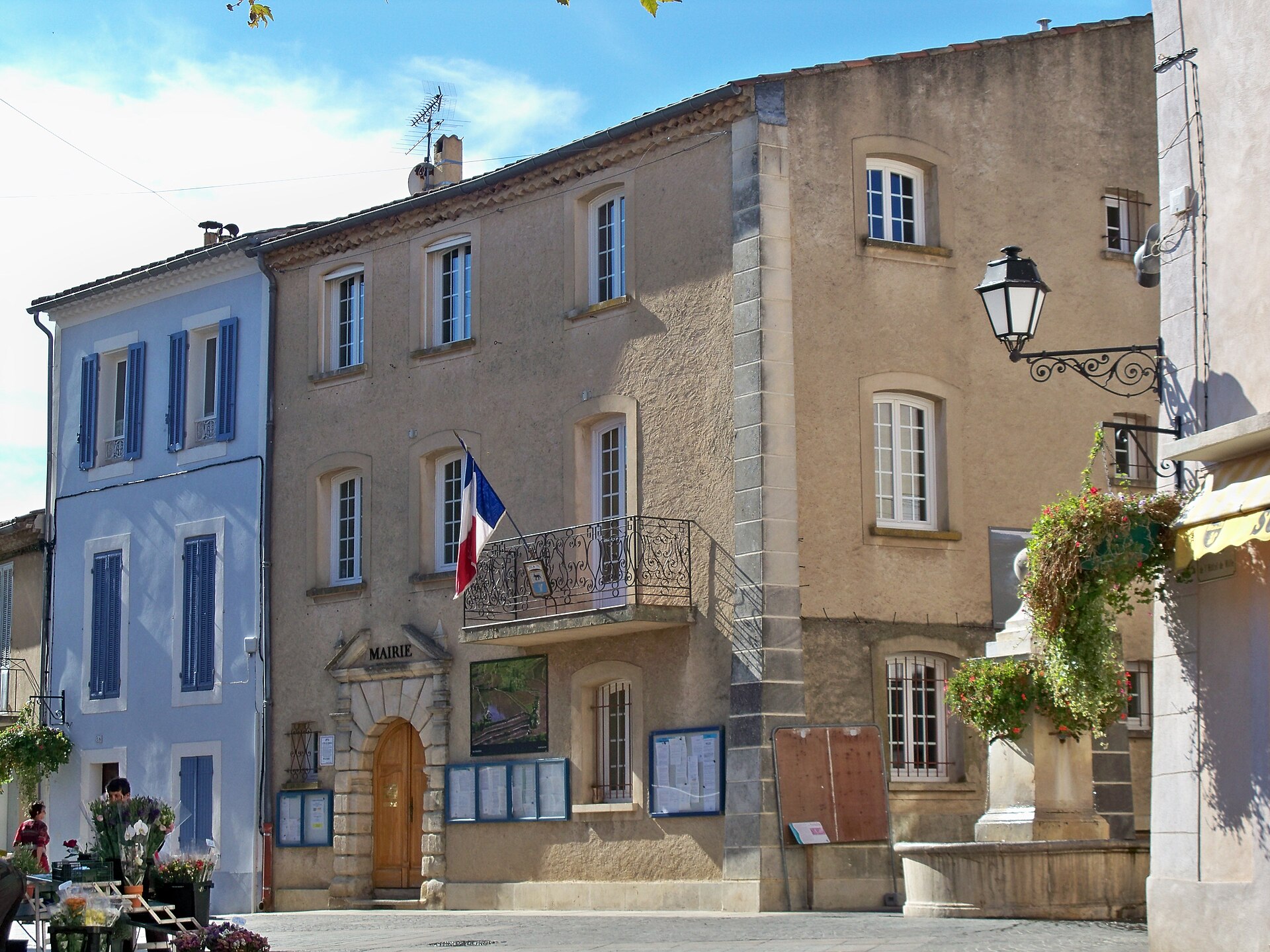
The town hall of Gréoux-les-Bains, seat of the local government of this small spa town in the Alpes-de-Haute-Provence department, sits right at the heart of a settlement built around its sulphur-rich thermal springs. Gréoux-les-Bains lies in the Provence-Alpes-Côte d'Azur region, close to Lake Sainte-Croix and the lavender-covered Valensole plateau, so the town hall building itself often serves visitors as a landmark for orienting themselves in the old town before heading further out toward the lake or the fields.
Why is this town known for its thermal waters?
The story of Gréoux-les-Bains' healing waters goes back to Roman times — remnants of ancient exploitation of the springs confirm that bathing here already existed in the first centuries of our era. After the fall of the Roman Empire the springs fell into obscurity, and the settlement survived barbarian invasions and the Wars of Religion under its earlier names, "Grésols" and "Greols". Revival only came in 1619, when the physician Jacques Fontaine rediscovered the spring, drawn by a strong smell of sulphur. In 1752, Abbé Gravier, having acquired ownership of the waters, set out to restore their reputation and was the first to imagine therapeutic bathing made available to less privileged residents too. Today Gréoux-les-Bains ranks among the leading thermal resorts in France by the number of visitors who come each year for preventive and curative treatments.
What can you see around the town hall?
Overlooking the town stands a castle commonly known as the "Château des Templiers", built on a rocky outcrop between the second half of the 13th century and the 16th century — though despite its name it never actually belonged to the Knights Templar. It ranks among the largest fortified buildings in the whole Provence-Alpes-Côte d'Azur region, surpassed in size only by the Papal Palace in Avignon and the bishops' palace in Salon-de-Provence. Walking from the town hall toward the old quarter, visitors pass narrow Provençal lanes and stone houses, and heading further down reach the thermal baths, still active and central to the local economy.
How should you plan a visit to Gréoux-les-Bains?
The town makes a convenient base for exploring the wider area: Lake Sainte-Croix, known for its turquoise water and kayak trips into the Verdon gorge, sits within easy reach, as does the Valensole plateau, which turns purple with lavender fields in June and July. It's worth combining a stroll through the centre, past the town hall and up to the castle, with a longer excursion into the surrounding countryside, especially during the lavender bloom when the area draws the most visitors.
Frequently Asked Questions
Can you visit the town hall building itself? The town hall functions as an administrative office and seat of the local council — as a working government building it isn't a typical visitor attraction, but its central location makes it a natural starting point for exploring the old town.
Where does the name "Gréoux-les-Bains" come from? The "les Bains" ("the baths") part refers to the town's centuries-old thermal tradition, dating back to Roman times and firmly revived in the 17th and 18th centuries.
Did the castle above the town really belong to the Templars? No — despite its popular name, the "Château des Templiers", there's no evidence the building was ever owned by the Knights Templar.
When is the best time to visit Gréoux-les-Bains? Spring and early summer are pleasant for exploring the town and its surroundings, while June and July are the best months to see the lavender fields in bloom on the Valensole plateau.
Nearby places

Earn badges for the places you visit
Download NextOnTrip, discover new places and check off your trails.