Save this place and discover nearby attractions with NextOnTrip
In the app you can add it to your favorites, see what else is worth visiting nearby on the map, and earn a badge for your visit.
The app is available for iPhone and Android.
About this place
The Old Town in Olsztyn is the historic heart of the capital of Warmia and Masuria, set in a bend of the Łyna river. In a compact area you will find a Gothic castle, churches, the old town hall, a market square lined with townhouses and the city's best-known landmark, the High Gate. A relaxed walk around it takes a few hours.
How did the Old Town begin?
The city's story starts in 1334, when Henryk von Luter founded a timber-and-earth stronghold in the bend of the Łyna and named it Allenstein, meaning "the stronghold on the Łyna". In the 14th century defensive walls with three gates were built, along with the castle of the Warmian Chapter. Under the Second Peace of Toruń in 1466, Olsztyn and the whole of Warmia became part of Poland. In 1521 Nicolaus Copernicus prepared the castle for defence against an expected Teutonic attack.
What to see in the Old Town
The High Gate is the only survivor of the three former town gates. Gothic and rebuilt many times, it stands 23 metres tall and has become the symbol of Olsztyn. It was once the Upper Gate in the defensive walls.
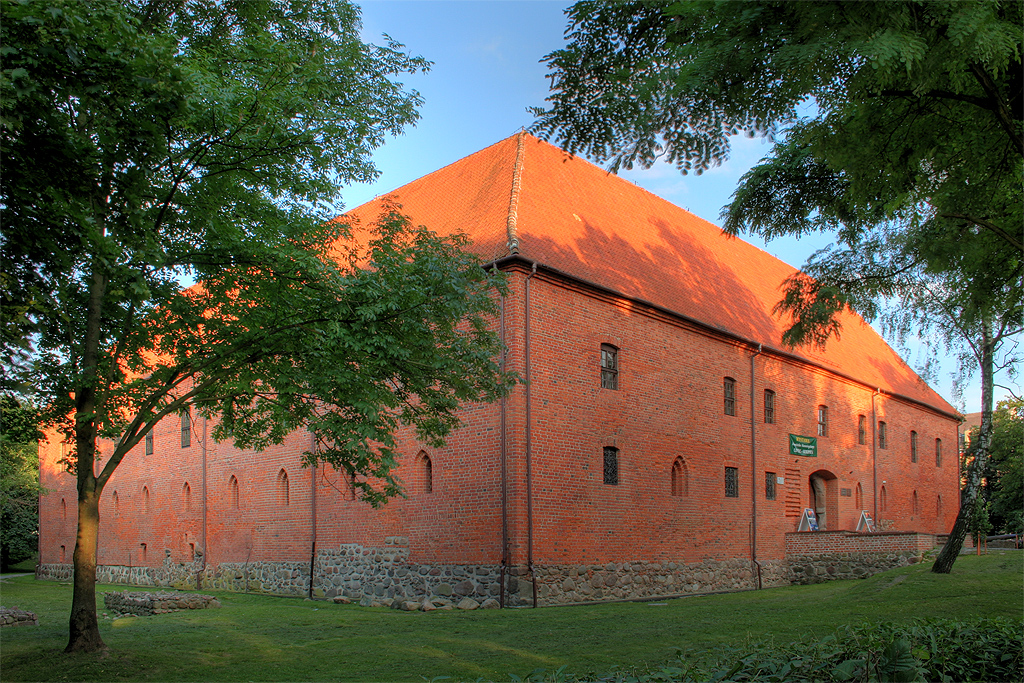
The Castle of the Warmian Chapter dates from the mid-14th century. It houses the Museum of Warmia and Masuria, with collections of religious painting and portraits. Copernicus was stationed here, and the museum holds the astronomer's only surviving research instrument in the world. It is a good place to begin learning the city's history.
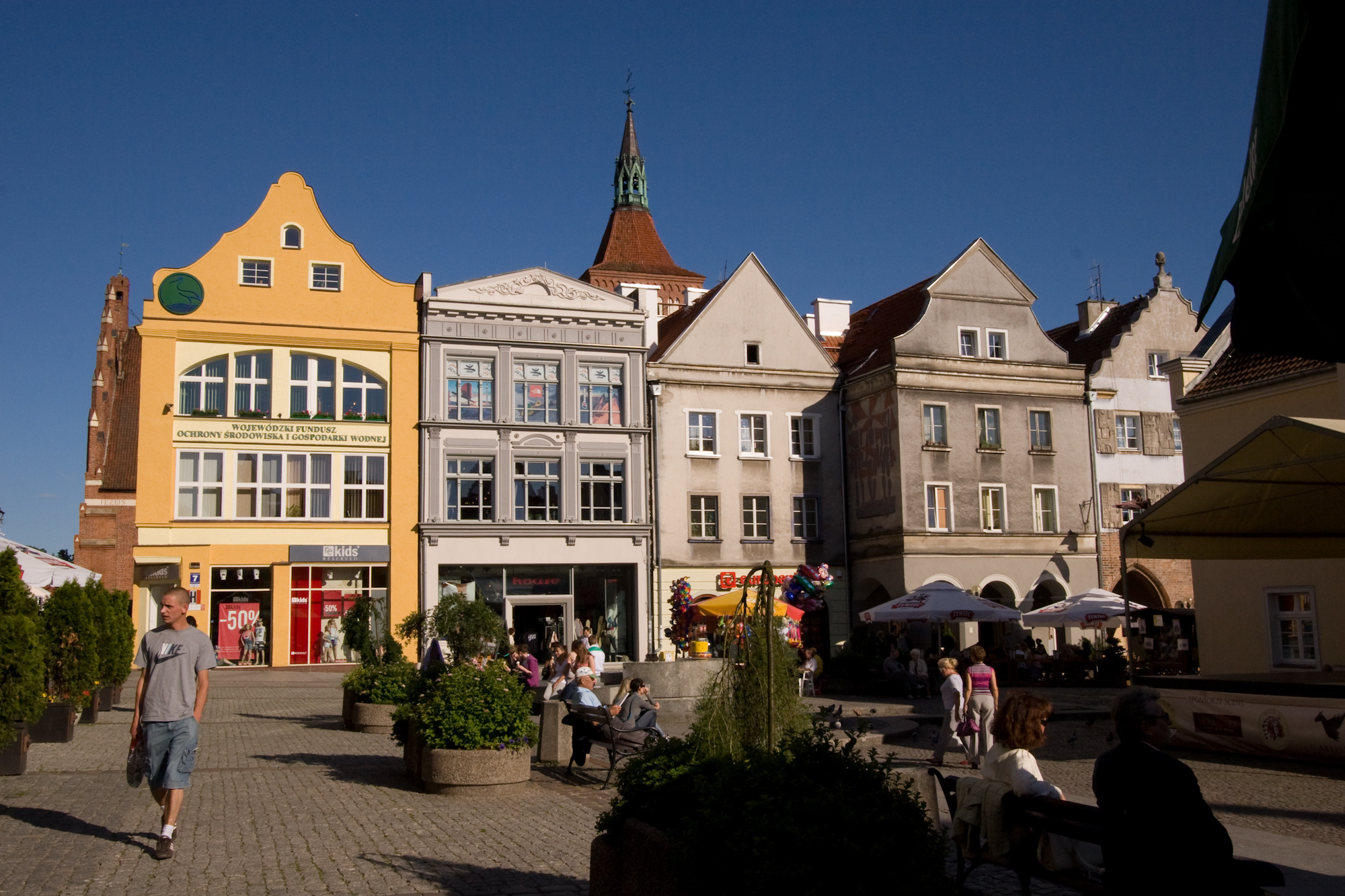
The Market Square and Old Town Hall – in the middle of the square stands one of the city's more valuable secular monuments. It was originally a late Gothic building that lost part of its medieval character after several reconstructions. Townhouses surround the square.
The Basilica of St James is a Gothic church where the composer Feliks Nowowiejski, a man tied to Warmia, once served as organist.
Why are the townhouses so colourful?
After Soviet troops burned the city in 1945, many townhouses were destroyed. They were rebuilt later, and in the 1960s local artists decorated the facades with sgraffito. Thanks to them the Old Town is colourful today and stands out among Polish old towns.
Frequently asked questions
How much time do I need? A few hours are enough to see the High Gate, the square, the castle and the basilica. Add time if you want to visit the museum inside the castle.
Is the Old Town big? No. The sights are close together and easy to cover on foot.
What should I see first? The castle with its museum, the Gothic basilica, the town hall on the square and the High Gate are the key stops.
What is the castle famous for? For Copernicus's stay there and for the astronomer's research instrument, the only one preserved in the world, displayed in the museum.
Why was the city once called Allenstein? It was the German name given to the stronghold founded on the Łyna in 1334; it means "the stronghold on the Łyna".
What to look for on your walk
Look up: the facades carry the sgraffito mentioned above, and the tower of the High Gate rises over the lanes. Compare the medieval walls and castle with the colourful buildings around the square, rebuilt after wartime destruction. The route combines Gothic architecture, the Copernicus story and postwar reconstruction in one place, which makes the Old Town the natural starting point for any visit to Olsztyn.
Nearby places

Earn badges for the places you visit
Download NextOnTrip, discover new places and check off your trails.