Save this place and discover nearby attractions with NextOnTrip
In the app you can add it to your favorites, see what else is worth visiting nearby on the map, and earn a badge for your visit.
The app is available for iPhone and Android.
About this place
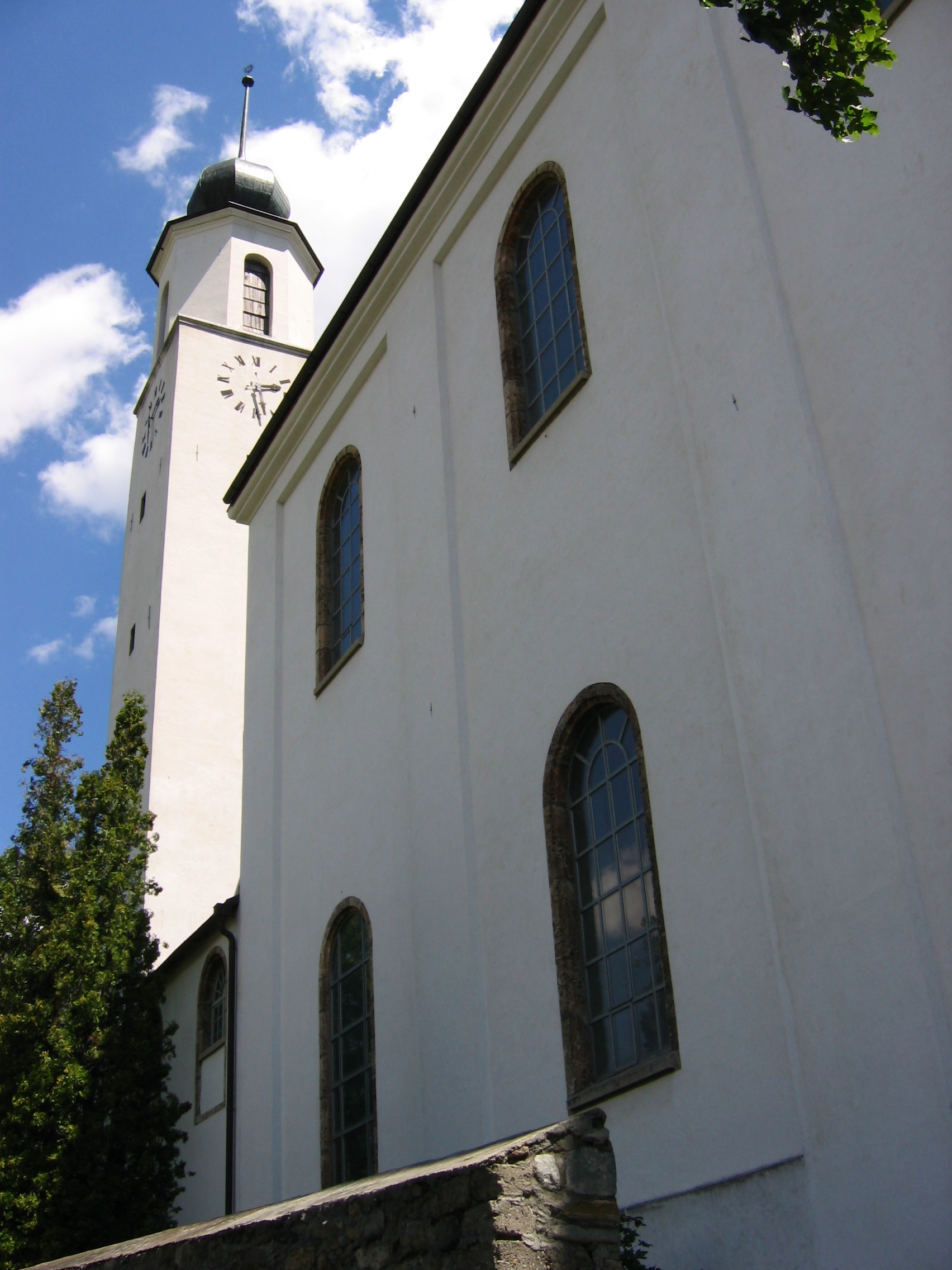
St. Mauritius Parish Church (Pfarrkirche St. Mauritius) is the main Catholic church of Zermatt in the Swiss canton of Valais. It stands in the village centre, and its garden leads to the mountaineers' cemetery, one of the best-known memorial sites in the Alps.
What is the history of the church?
Zermatt's parish is first mentioned in records from 1285. The previous church was probably built around 1587 in what sources call an Italian style, with a churchyard and ossuary dating from 1651 beside it. By 1913 the building had become too small for a growing tourist village, and the decision was made to pull it down. The new church was designed by Adolf Gaudy of Rorschach and consecrated on 6 June 1916 by Bishop Joseph Mariétan, abbot of Saint-Maurice.
The fittings came in stages. A clock went into the tower in 1925, the large organ was inaugurated in 1926, and three new bells in 1932 completed the project. The interior was fully renovated in 1980, and the ceiling painting of Noah's Ark dates from that work.
What will you see?
The church has simple, compact volumes and a clock tower that sits comfortably among Zermatt's timber houses. Inside it is bright and quiet. Entry is free; during services, visit discreetly.
What is the mountaineers' cemetery?
Through the church garden you reach the mountaineers' cemetery, with gravestones of around 50 people killed in the mountains around Zermatt, mostly in the 19th century and a few from the early 20th. Graves linked to the first ascent of the Matterhorn in 1865 are here: guide Michel Croz, who died on the descent, and Peter Taugwalder, father and son. Both Taugwalders died of natural causes; of the seven men in Whymper's party, only three came back to the village alive.
A separate memorial, the Grave of the Unknown Mountaineer, was set up in 2015 on the initiative of Zermatt guide Harry Lauber for the 150th anniversary of the first ascent. It commemorates more than 500 people who have died on the Matterhorn since 1865. Twenty-seven of them have never been found.
How do you get there and when should you go?
Zermatt is car-free. Take the train to Zermatt station; the church is a few minutes' walk away in the centre. Early morning or late afternoon is quietest in the narrow lanes. The site is open in summer and winter, though garden paths can be icy in winter, so wear sturdy shoes.
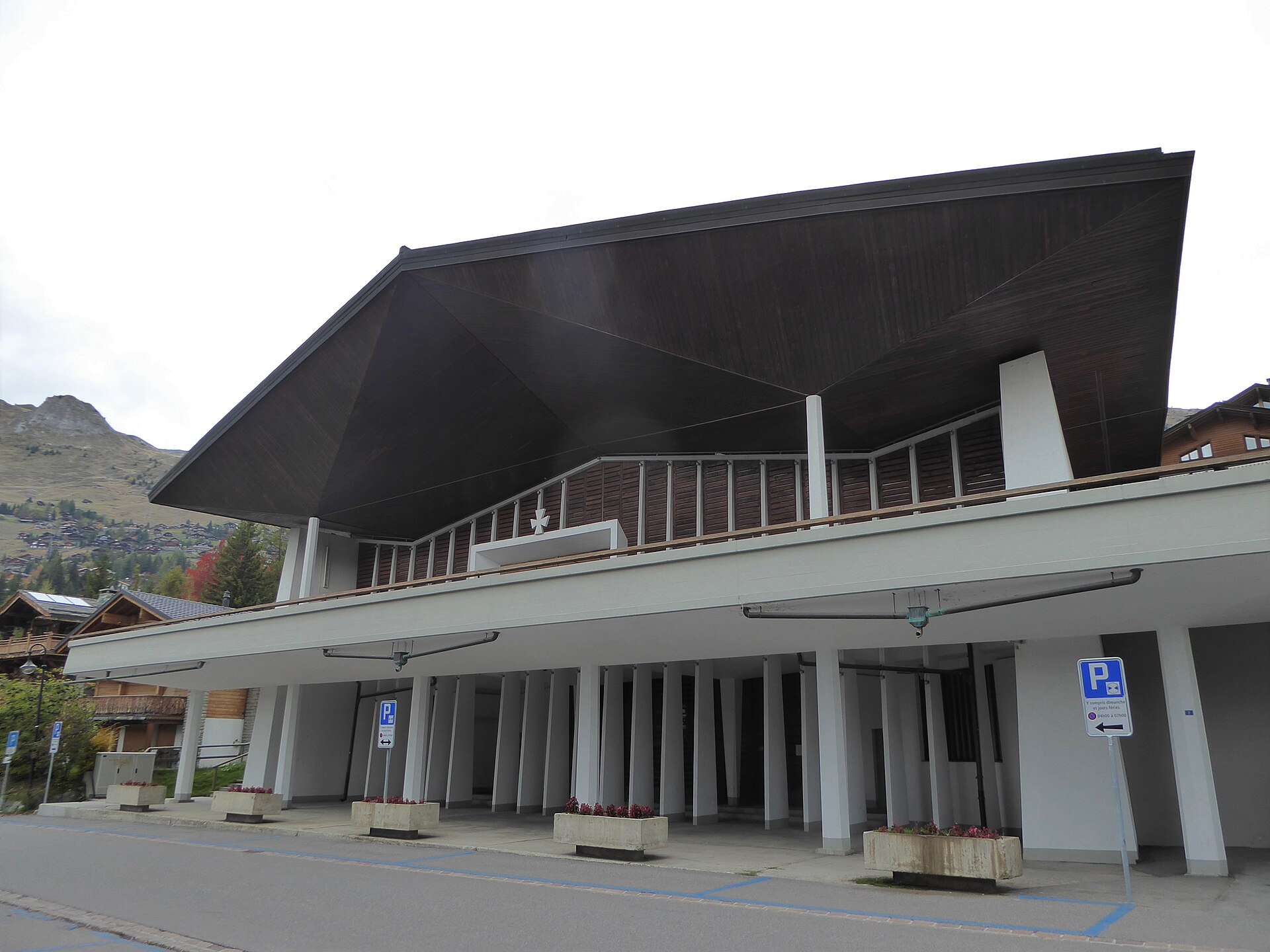
Nearby is the small Anglican church of St. Peter. It is a separate building with its own history, so don't confuse the two.
Frequently asked questions
Is entry to the church and cemetery paid?
No. Both are freely accessible, but they are places of worship and remembrance, so dress and behave respectfully.
When was the current church built?
The decision to demolish the old church was taken in 1913, and the new one was consecrated on 6 June 1916. Adolf Gaudy was the architect.
Is Edward Whymper buried in the cemetery?
No. You will find the grave of guide Michel Croz, who took part in the first Matterhorn ascent, and the stone of Peter Taugwalder, father and son.
What does the Grave of the Unknown Mountaineer commemorate?
More than 500 Matterhorn victims since 1865, including 27 people whose bodies were never recovered. It was unveiled in 2015.
Nearby places

Earn badges for the places you visit
Download NextOnTrip, discover new places and check off your trails.