About this place
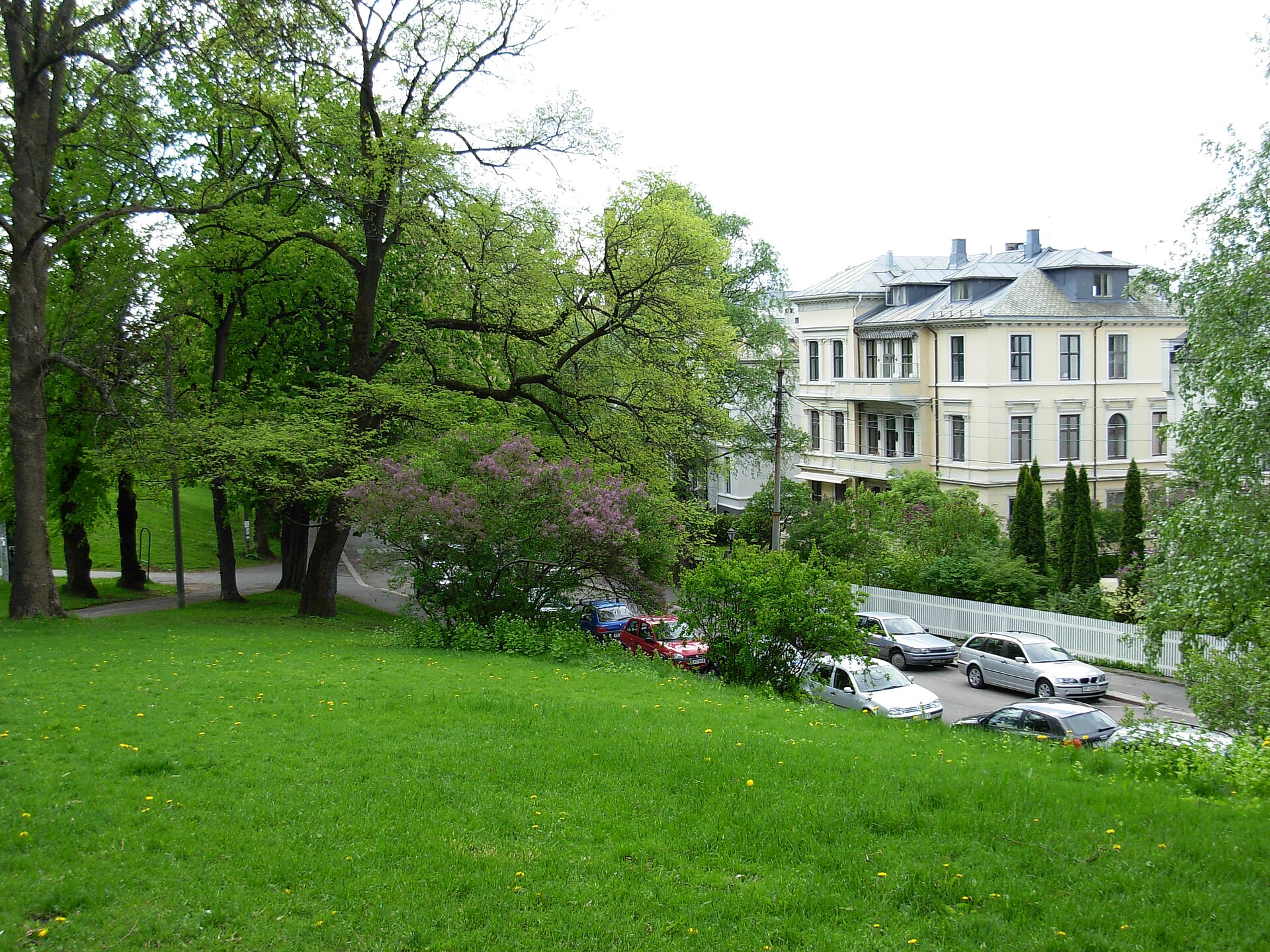
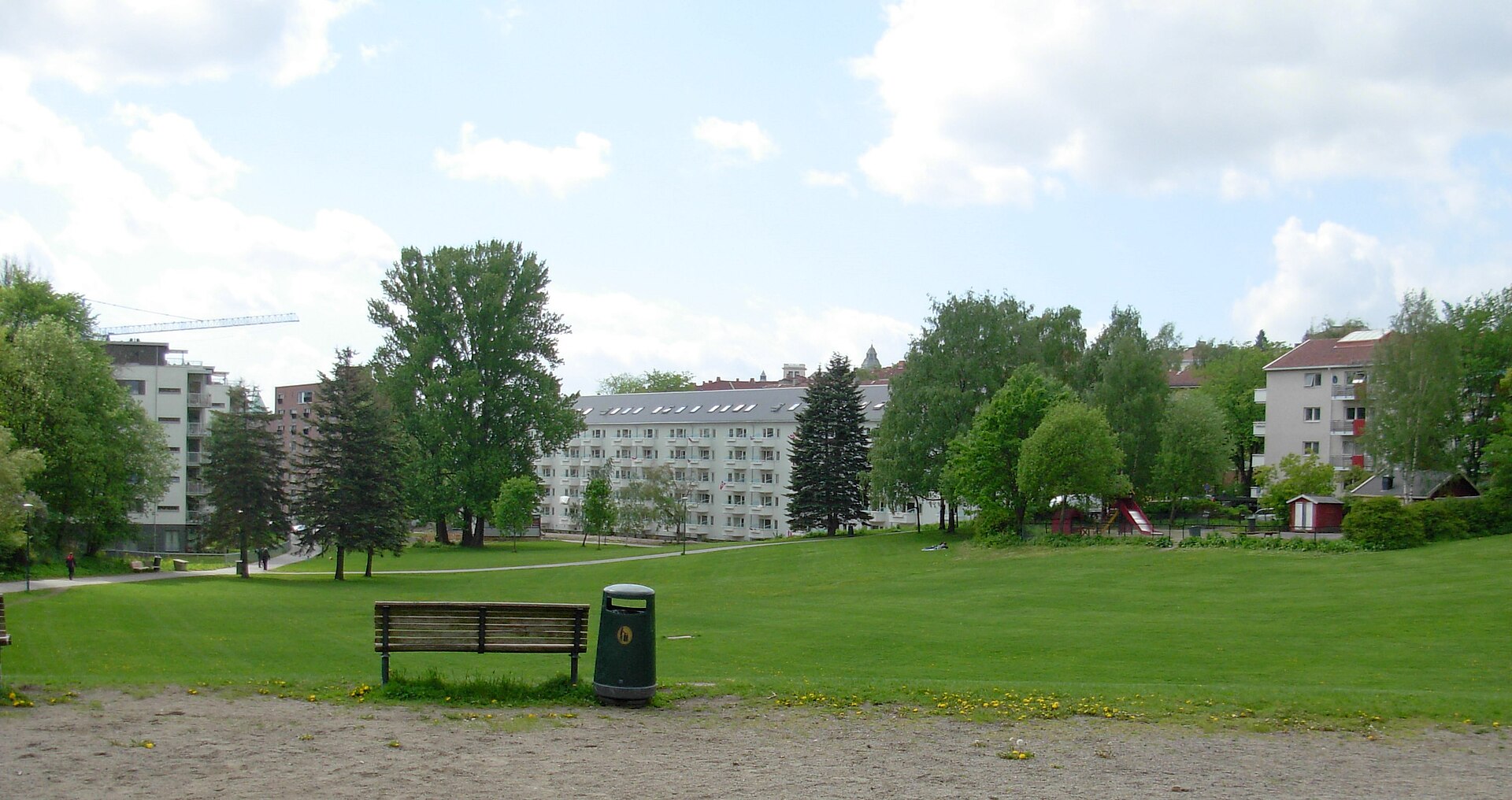
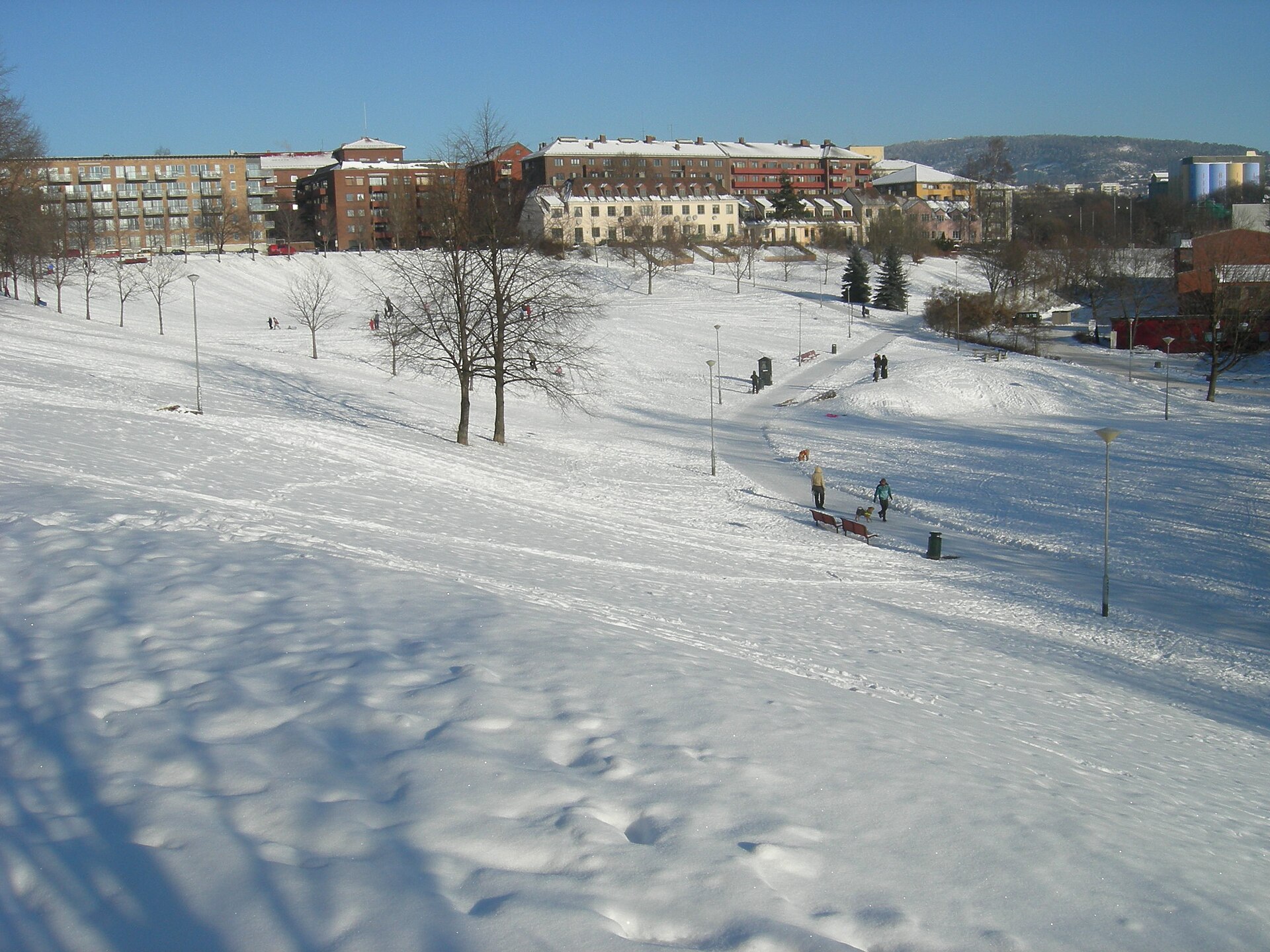
St. Hanshaugen Park is a large public park just north of Oslo's city centre. The green hill overlooks the city, is a classic example of a nineteenth-century urban park, and gave its name to the whole surrounding borough.
Where does the name St. Hanshaugen come from?
"St. Hans" is the Norwegian term for Midsummer Eve, and "haugen" means hill, so the name roughly translates as "Midsummer Hill". From the 1840s, Oslo residents gathered here to light Midsummer Eve bonfires. At that time the hill was still bare rock, with no trees or paths.
How did the park come about?
Planting began in the middle of the nineteenth century. During the 1860s more than a thousand trees went in, turning the rocky rise into a green recreation area. It was the first major park created outside the strict city centre. From 1867 the city took responsibility for it. Sources give slightly different dates for the later stages of the work, but the direction is clear: a bonfire site became a municipal park.
What is there to see?
- A reflecting pool. A shallow pool covers a former water reservoir that served the city's water supply.
- The old pump building. A tower-like house nearby, completed around 1875, was connected to the pumps serving the reservoir.
- Festplassen. The square at the top of the hill, home to an open-air café since 1936. It is a good spot for coffee with a view.
- Lawns and paths. The hilly ground suits strolls, picnics and a rest after sightseeing downtown.
The park also hosts concerts and festivals, especially in summer.
Where exactly is the park?
It sits at the very centre of the St. Hanshaugen borough, bounded by Geitmyrsveien, Colletts gate, Ullevålsveien and Knud Knudsens plass. Bislett Stadium and Alexander Kiellands plass are nearby, so the park combines easily with a walk through neighbouring districts. Coordinates: 59.9267 N, 10.7409 E.
Frequently asked questions
Is there an entrance fee? No. It is a public city park open to everyone.
Is the park far from the centre of Oslo? No, it lies just north of the centre, and many downtown spots are within walking distance.
Where does the name come from? From the Norwegian Midsummer Eve (St. Hans) and "haugen", meaning hill. Residents lit Midsummer bonfires here from the 1840s.
Can I get a coffee in the park? Yes. An open-air café has operated on the Festplassen square at the top of the hill since 1936.
What is nearby? Bislett Stadium and Alexander Kiellands plass, both a short distance away.
Who is it for?
Anyone who wants to see how Oslo residents spend their free time. It suits a short walk, a picnic, a coffee with a city view, or a starting point for exploring the surrounding streets and districts. It is especially worth a visit on warm days, when the lawns are full of people and outdoor events take place nearby.
Nearby places

Earn badges for the places you visit
Download NextOnTrip, discover new places and check off your trails.