About this place
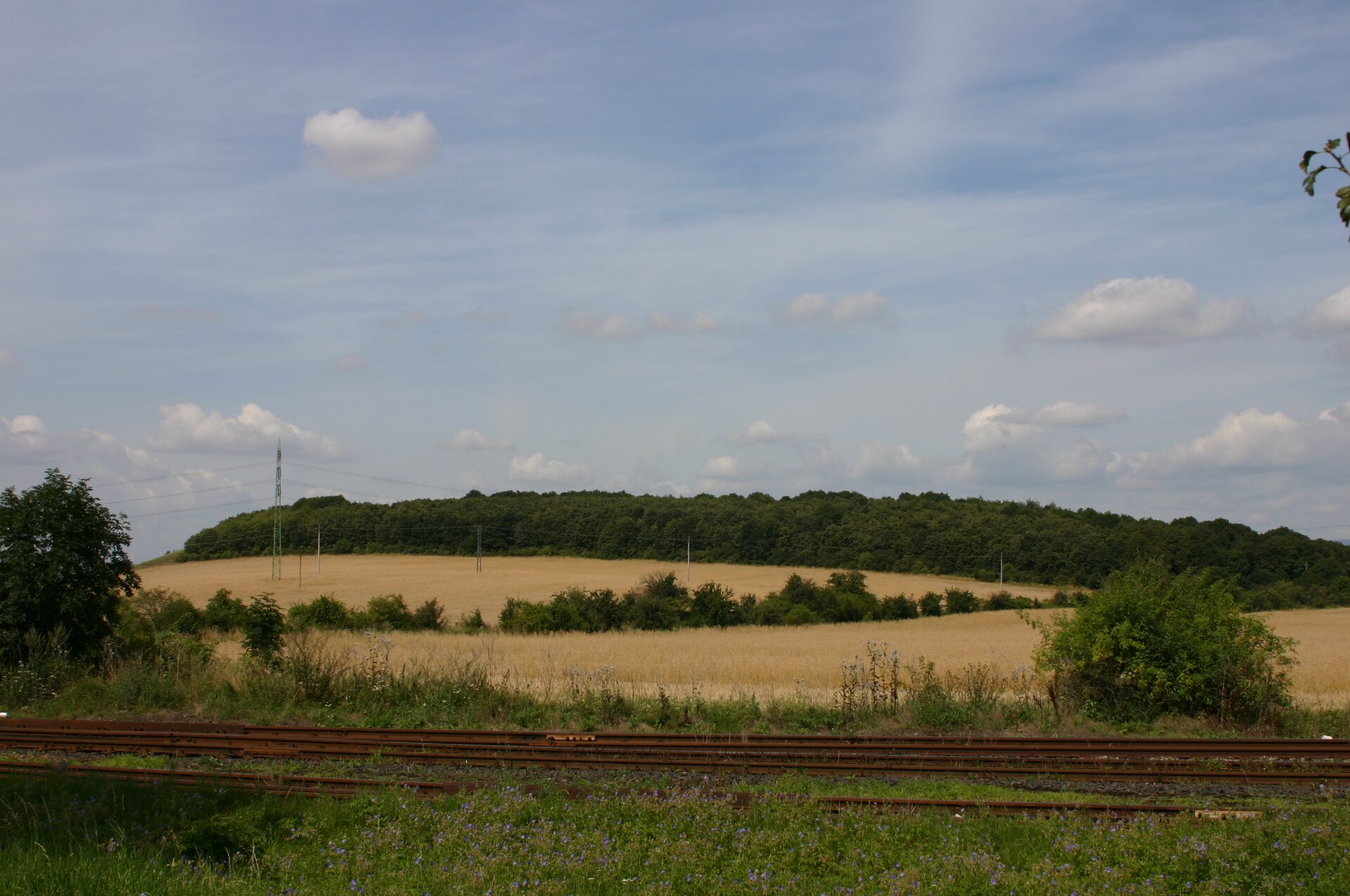
Slanisko u Škrle is a small but ecologically remarkable nature monument on the western edge of the village of Škrle, part of the municipality of Bílence in the Chomutov district of the Czech Republic. Covering just 3.48 hectares, it was declared a protected nature monument in 2002 and lies in the valley of the Chomutovka stream.
Why is this site so unusual?
The Czech word "slanisko" means "salt marsh" or "saline site" — an inland patch of ground where salt-tolerant vegetation grows, a plant community more commonly associated with coastlines than with landlocked Central Europe. Unlike coastal salt meadows, where sodium chloride dominates, the soil salinity in northwestern Bohemia has a different origin: it comes from soluble sulfates, mainly magnesium sulfate (Epsom salt), left behind in ancient sediment layers from a sea that once covered the region millions of years ago.
Slanisko u Škrle sits in a rain-shadow location, where groundwater is drawn upward through capillary action and evaporates quickly at the surface, concentrating mineral salts in the topsoil. This process allows halophytic (salt-loving) plants to grow side by side with xerothermic (heat- and drought-tolerant) species — a combination found only in a handful of places in the Czech Republic.
What does the nature monument protect?
The protection status exists to preserve this species-rich halophytic locality and to safeguard populations of critically endangered plant species, including pepperwort (genus Lepidium), for which such saline habitats represent one of the last strongholds in the region. The presence of salt-loving flora far from any sea makes this a genuinely unique spot on the botanical map of the Czech Republic, drawing the attention of both specialists and enthusiasts of rare ecosystems.
A history of grazing
Until the mid-20th century, the land that is now the nature monument served as pasture, and it continued to see occasional agricultural use into the 1970s. This extensive grazing regime — without fertilization or intensive cultivation — helped preserve the site's delicate salt-tolerant vegetation by leaving the underlying soil chemistry undisturbed. Since grazing ceased, the area has required active conservation management, including regular mowing, to prevent overgrowth by more aggressive plant species that would otherwise crowd out the rare salt-loving flora.
Frequently asked questions
Where exactly is Slanisko u Škrle located? The nature monument lies on the western edge of the village of Škrle, part of the municipality of Bílence, in the Chomutov district of the Ústí nad Labem Region, within the valley of the Chomutovka stream.
Can visitors explore Slanisko u Škrle? It is a small, strictly protected nature monument. Visitors should stick to any marked paths and respect conservation rules, avoiding sensitive areas where the salt-tolerant vegetation grows.
What makes the soil here salty? The salinity comes from soluble sulfates, primarily magnesium sulfate, which rise through the soil by capillary action from deeper layers and concentrate at the surface as water evaporates quickly in this rain-shadow location.
What plant species can be found here? The site protects halophytic and xerothermic species, including the critically endangered pepperwort — a plant typical of saline habitats that is rarely found so far inland.
Since when has the area been protected? The site was granted nature monument status in 2002.
Nearby places

Earn badges for the places you visit
Download NextOnTrip, discover new places and check off your trails.