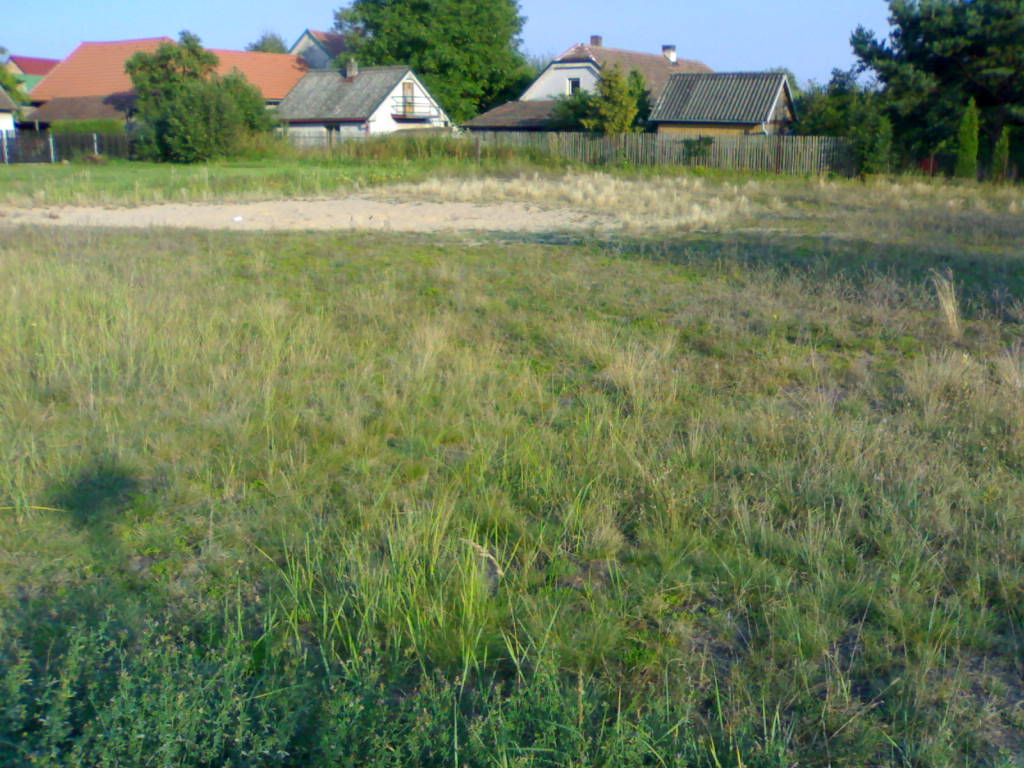
About this place
Semínský přesyp is a tiny yet ecologically significant nature reserve in the village of Semín, in the Pardubice district of the Pardubice Region in the eastern part of the Elbe (Polabí) lowlands. Designated as a national nature monument, it covers just 0.21 hectares and sits at an elevation of 210–216 metres above sea level — a modest footprint that belies its outsized conservation importance.
Why is this site protected?
The reserve exists to safeguard the sand milkvetch (Astragalus arenarius), a critically endangered plant known for its delicate violet flowers. Semínský přesyp is the only known site for this species in the Pardubice Region, and one of just three remaining locations in the entire Czech Republic where it still grows. That rarity is precisely why such a small patch of land carries national-level protected status.
A history of rediscovery
For decades the sand milkvetch was thought to be gone from this area, with the last confirmed sighting dating back to 1938. It was only after the plant was rediscovered here that the site was formally protected, on 9 July 1980. Since then, conservation managers have worked to maintain the specific habitat conditions the species needs to survive.
The layout of the reserve
The protected area is made up of two separate parts. The first is an exposed sand pit located directly within the village of Semín — this open, nutrient-poor sandy ground is essential for the sand milkvetch, a plant adapted to thrive in exactly these harsh, low-fertility conditions. The second part is a smaller, more degraded patch of land situated behind a former brewery on the edge of the village. Together, these two fragments preserve a mosaic of sandy habitat typical of the ancient inland dunes that once shaped the Elbe river valley.
Landscape and ecological significance
The Czech word "přesyp" itself points to the site's origin: it is a relic of old sand dunes that historically formed part of the Polabí lowland landscape. Habitats like this have become increasingly rare across the Czech Republic due to urban development, agriculture, and the natural encroachment of vegetation, which makes preserving even a fragment of open sand ground vital for the survival of specialised, sand-loving plant species.
Frequently asked questions
What can visitors see at Semínský přesyp? The main draw is the chance to encounter the sand milkvetch, a plant that survives at only three sites across the whole of the Czech Republic. Beyond the plant itself, the site offers a glimpse of the sandy, open terrain characteristic of former inland dunes.
How large is the reserve? The entire protected area covers only 0.21 hectares, making it one of the smallest nature monuments in the Pardubice Region.
Since when has the site been protected? Formal protection was established on 9 July 1980, following the rediscovery of the sand milkvetch population, which had not been recorded here since 1938.
Where exactly are the two parts of the reserve located? One part is an open sand pit within the village of Semín itself, while the other is a smaller, degraded plot behind a former brewery on the village's edge.
Is this a typical tourist attraction? Semínský přesyp is primarily of interest to nature lovers and botanists drawn to rare plant species and the distinctive sandy habitats of the Polabí lowlands, rather than a conventional sightseeing destination with visitor infrastructure.
Nearby places

Earn badges for the places you visit
Download NextOnTrip, discover new places and check off your trails.