About this place
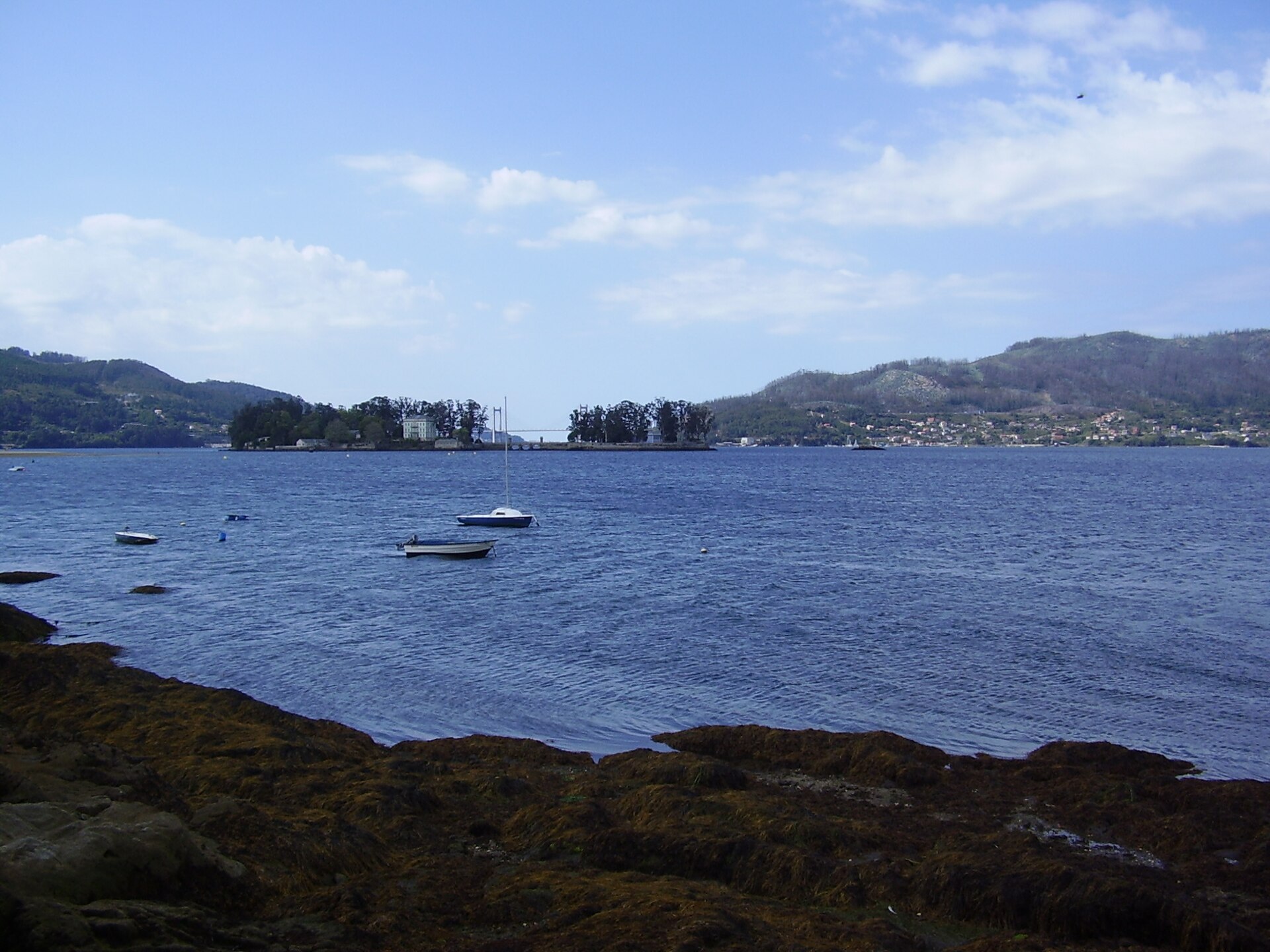
San Simón Cove sits at the innermost end of the Ría de Vigo in Galicia, Spain, spanning an estuary and a special area of conservation shared between the municipalities of Vilaboa, Redondela and Soutomaior. It is a calm, shallow branch of the wider Vigo estuary, best known for the pair of small islands resting on its waters and for the rich birdlife drawn to this sheltered corner of the coast.
What lies within the cove itself?
At the heart of the inlet are two islets joined by a small bridge — the Island of San Simón and the smaller Island of San Antón. Together they give the cove its distinctive identity and draw most of its visitors. Their story stretches back to the 12th century, when the Knights Templar founded a monastery here. Over the following centuries the site passed through the hands of several religious orders, including Franciscans, Benedictines and Paschalites.
What historical events took place here?
The islands were not spared from the region's turbulent past. In the late 16th century they were looted by the famed English privateer Francis Drake, an episode still recalled in local accounts of coastal raids along Galicia. The waters of the cove were also the setting for the Battle of Rande, a naval clash still surrounded by legends of treasure said to lie hidden beneath the ria.
How did the islands' role change over time?
After their monastic heyday, the islands fell into obscurity before regaining significance in the 19th century. From 1842 to 1927 they operated as a lazaretto, a quarantine station for travelers and sailors arriving by sea. In the decades that followed, the buildings also served as a prison and later an orphanage — the site's purpose shifting repeatedly to match the needs of each era. Restoration work completed in 2005 returned the buildings to public use.
Why is the area around the cove worth visiting?
Today the Enseada de San Simón is protected as a special area of conservation: its calm, shallow estuarine waters form a valuable habitat for waterfowl and other local wildlife. The cove itself sits where the wider Rías Baixas landscape narrows into something almost lake-like, framed by the hills of Vilaboa, Redondela and Soutomaior. This contrast between untouched nature and centuries of turbulent history is what makes the area appealing to nature lovers and heritage seekers alike.
Frequently asked questions
What is the difference between San Simón Cove and the Island of San Simón? The cove is the body of water at the estuary's mouth, while the islands of San Simón and San Antón are the land within it, connected by a bridge and typically visited on guided boat tours.
Which municipalities does the area belong to? The cove and its surroundings straddle the municipalities of Vilaboa, Redondela and Soutomaior in the province of Pontevedra.
What functions did the islands serve historically? They were successively home to a monastery under several religious orders, a quarantine station (lazaretto), a prison and an orphanage, before restoration in 2005 opened them to visitors.
Is the area protected? Yes, the cove and its estuary form a special area of conservation valued for its ecological significance.
Nearby places

Earn badges for the places you visit
Download NextOnTrip, discover new places and check off your trails.