About this place
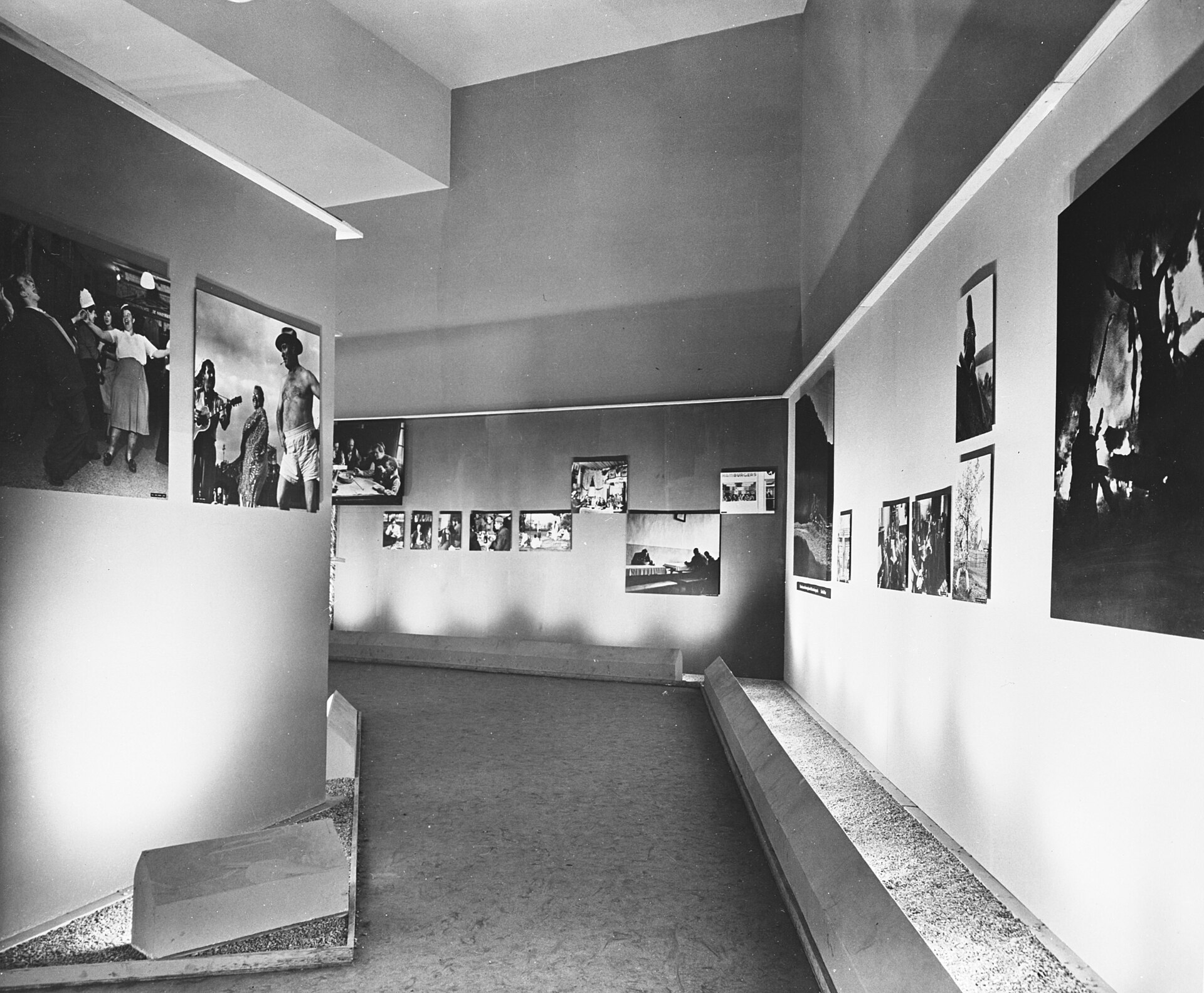
The Family of Man is a permanent photography exhibition housed inside the castle of Clervaux, in the northern part of Luxembourg. Far from being an ordinary photo gallery, it is regarded as one of the landmark achievements of 20th-century documentary photography, built around a single idea: showing what connects people everywhere, regardless of where they were born or how they live.
Where did the exhibition come from?
The concept was the work of Edward Steichen, a Luxembourg-born photographer and curator who went on to become one of the most influential figures in the history of photography after moving to the United States. While working for the Museum of Modern Art in New York, Steichen set out to create something bigger than a single photographer's portfolio. He gathered hundreds of photographs submitted from across the globe and shaped them into one continuous visual narrative, first shown to the public in 1955. Rather than focusing on one country or a single event, Steichen wanted to capture universal human experiences — birth, work, love, conflict, grief and hope — as things shared by people everywhere, independent of national borders.
Why did it end up in Clervaux?
After its debut in New York, the exhibition embarked on a long international tour, travelling through dozens of countries and hundreds of museums over the following years. That journey took a visible toll on the prints and original display materials, and eventually a thorough restoration became necessary. Luxembourg — the country of Steichen's birth — was chosen as the exhibition's final home, and specifically the historic castle in Clervaux, a picturesque town in the Luxembourg Ardennes. Once the restoration was complete, the exhibition found a permanent place there starting in 1994, becoming a lasting part of the castle's interior.
What can visitors expect inside?
Visitors move through a sequence of castle rooms where the photographs are arranged in thematic groups — from the birth of a child, through everyday life, work and play, to scenes of conflict and reflection on the human condition. The exhibition's power lies in its scale and diversity: the images come from strikingly different corners of the world, yet together they form a coherent story about experiences shared by all people. The castle's intimate Gothic and Renaissance rooms add weight to the photographs on display, creating an atmosphere that encourages quiet reflection rather than a quick walkthrough.
What is its international status?
In 2003, the exhibition was inscribed by UNESCO on the Memory of the World register, a programme dedicated to protecting documentary heritage of exceptional significance to humanity. That recognition underlines that this is not simply a collection of striking images, but a historical and cultural document worthy of the same level of protection given to manuscripts and archives of global importance.
Frequently asked questions
Where exactly is the exhibition located? Inside the castle of Clervaux, in the northern Luxembourg Ardennes region.
Who created the concept behind the exhibition? Edward Steichen, a Luxembourg-born photographer and curator who worked for the Museum of Modern Art in New York.
Since when has the exhibition been permanently based in Clervaux? Since 1994, following restoration work necessitated by its decades-long international tour.
Does the exhibition hold any official recognition? Yes — in 2003, UNESCO added it to the Memory of the World register.
Nearby places

Earn badges for the places you visit
Download NextOnTrip, discover new places and check off your trails.