Save this place and discover nearby attractions with NextOnTrip
In the app you can add it to your favorites, see what else is worth visiting nearby on the map, and earn a badge for your visit.
The app is available for iPhone and Android.
About this place
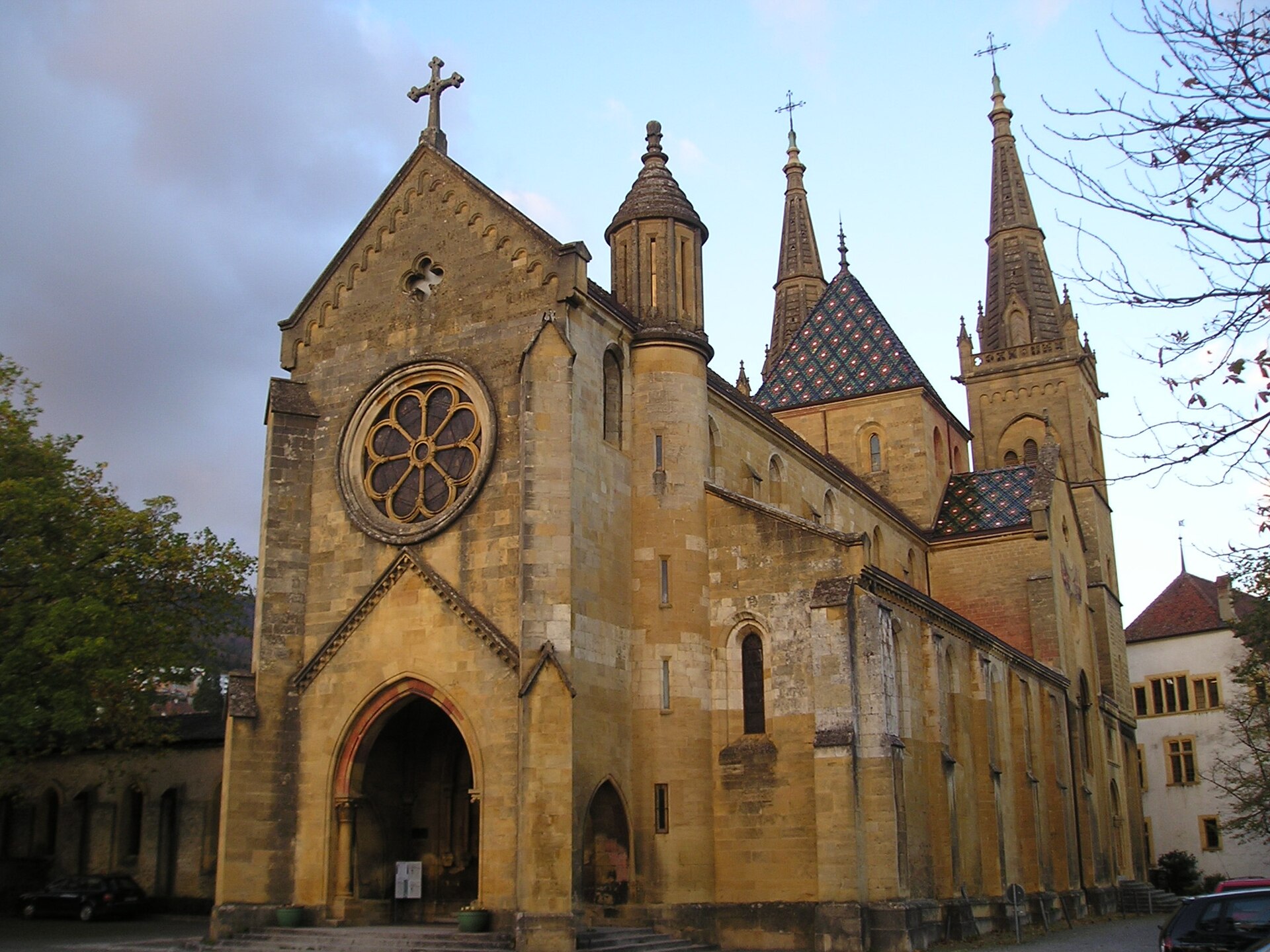
Temple de La Sagne is the Reformed Protestant church of the village of La Sagne, in the canton of Neuchâtel in the Swiss Jura. A late Gothic building, it stands in the heart of the village, in a high valley between La Chaux-de-Fonds and Les Ponts-de-Martel.
How old is the church?
A chapel dedicated to Saint Catherine is first recorded in La Sagne in 1351, when it was a branch of the church at Le Locle. La Sagne became its own parish in 1499, and the present building dates from 1521 and 1526. It replaced an earlier medieval chapel on the same spot. The village itself appears in written records as early as 1332.
After the county of Neuchâtel turned to the Reformation, the church became a Protestant place of worship. That is why it is called a "temple", the usual word for a Reformed church in French-speaking Switzerland.
What will you see?
The architecture is late Gothic, and the vaulted choir is the most admired part. The building is a protected heritage monument of the canton. As in most Reformed churches, the interior is plain, so a visit is about architecture and atmosphere rather than a rich art collection.
Nearby is the village's local history museum, founded in 1880 and reopened in 1982. It makes a good companion stop, covering the valley's lace-making, later watchmaking, cattle farming, cheese and peat cutting.
How do you get to La Sagne?
The village lies at roughly 47.05 N, 6.82 E. A railway has linked it with La Chaux-de-Fonds and Les Ponts-de-Martel since 1889 (electrified in 1950), so the easiest way is a train from La Chaux-de-Fonds. By car, local roads run through the valley. The church is in the village centre, so there is no further walk once you arrive.
When should you go?
The area suits any season. In summer it is hiking country across Jura pastures and peat bogs; in winter the valley is snowy and very quiet. Combine the church with a stroll through the village. Check opening hours for the interior with the local parish, since this is a working church rather than a museum.
What else is worth knowing about La Sagne?
About a thousand people live here: 997 in 2000, against 1,195 in 1750 and around 1,800 in 1850. Until 1848 La Sagne was a mairie, a local administrative unit. Marshland was drained for farming from 1659, and the first water mill is recorded in the 14th century. The royalist uprising of 1856 against the canton's new republican government began in La Sagne.
Frequently asked questions
Is Temple de La Sagne very old? Yes. The current building dates from 1521 and 1526, and a chapel on the site is documented from 1351.
What architectural style is it? Late Gothic, with a vaulted choir as its best-known feature.
Is it a Catholic church? No. It is a Reformed (Protestant) church of the La Sagne parish.
Is there anything else to see in La Sagne? Yes: the village history museum, founded in 1880, plus the surrounding Neuchâtel Jura pastures and peat bogs.
Nearby places

Earn badges for the places you visit
Download NextOnTrip, discover new places and check off your trails.