About this place
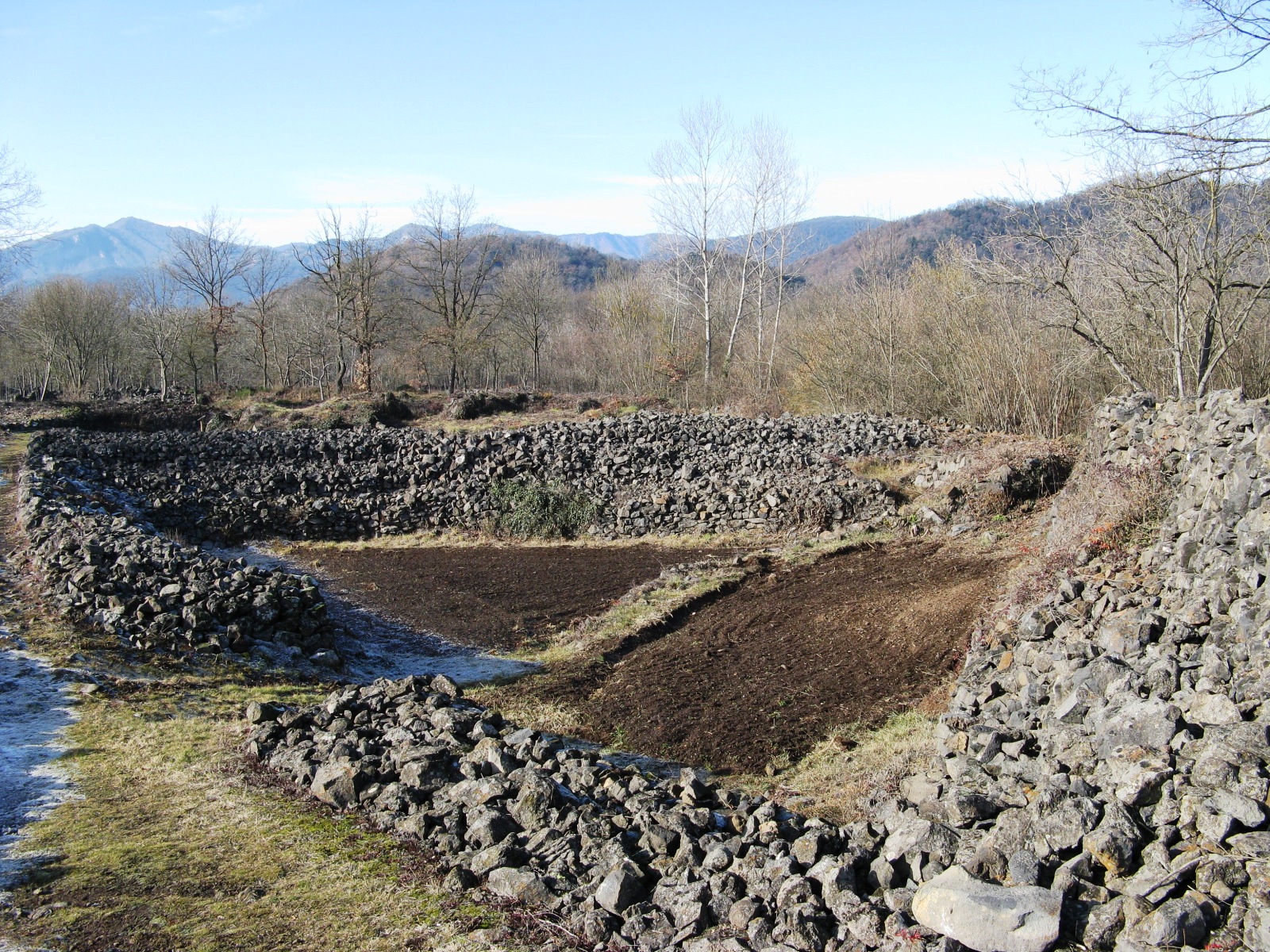
Parc Natural de la Zona Volcànica de la Garrotxa is a protected landscape area in Catalonia, in northeastern Spain, near the town of Santa Pau. The park covers a territory shaped by Quaternary volcanism — volcanic activity dating to a relatively recent period in the Earth's geological history, the effects of which remain visible across the surrounding terrain today.
Where is the park located?
The area lies in northeastern Spain, within the autonomous community of Catalonia, at approximate coordinates 42.15°N, 2.54°E. It sits close to the town of Santa Pau, which serves as a key reference point for anyone exploring this part of the region.
What makes this area distinctive?
The defining feature behind this area's protected status is its volcanic history. The park encompasses a zone of Quaternary volcanism, meaning the volcanic activity that shaped the local landscape occurred in a comparatively recent geological era. This sets the terrain apart from the far older mountain formations found elsewhere in Catalonia and across Spain — traces of past volcanic activity remain clearly legible in the shape of the land, making this a geologically distinctive corner of the region.
The designation as a "parc natural" (natural park / protected landscape) reflects formal recognition of the area's natural and scenic value. Protection of this kind exists to preserve the terrain's defining characteristics — in this case, the imprint of its volcanic past — for future generations, while allowing for responsible access by visitors.
Why does this place matter?
Parc Natural de la Zona Volcànica de la Garrotxa stands as an example of a landscape where nature and geology come together into a single, protected whole. The very fact that the region has been granted natural park status signals its significance within Catalonia — not every volcanic terrain in Spain receives this level of formal recognition and protection.
Frequently asked questions
Where exactly is Parc Natural de la Zona Volcànica de la Garrotxa located? In northeastern Spain, in Catalonia, near the town of Santa Pau, at coordinates approximately 42.15°N, 2.54°E.
What makes this area geologically distinctive? Its Quaternary volcanic history — the park covers a zone shaped by relatively recent volcanic activity, which is unusual compared to the typical landscape formations found in the wider region.
What protection status does the area hold? It is designated as a protected natural landscape (parc natural), granting formal protection to its natural and geological features.
Which administrative region does the park belong to? Catalonia, an autonomous community in northeastern Spain.
Nearby places

Earn badges for the places you visit
Download NextOnTrip, discover new places and check off your trails.