About this place
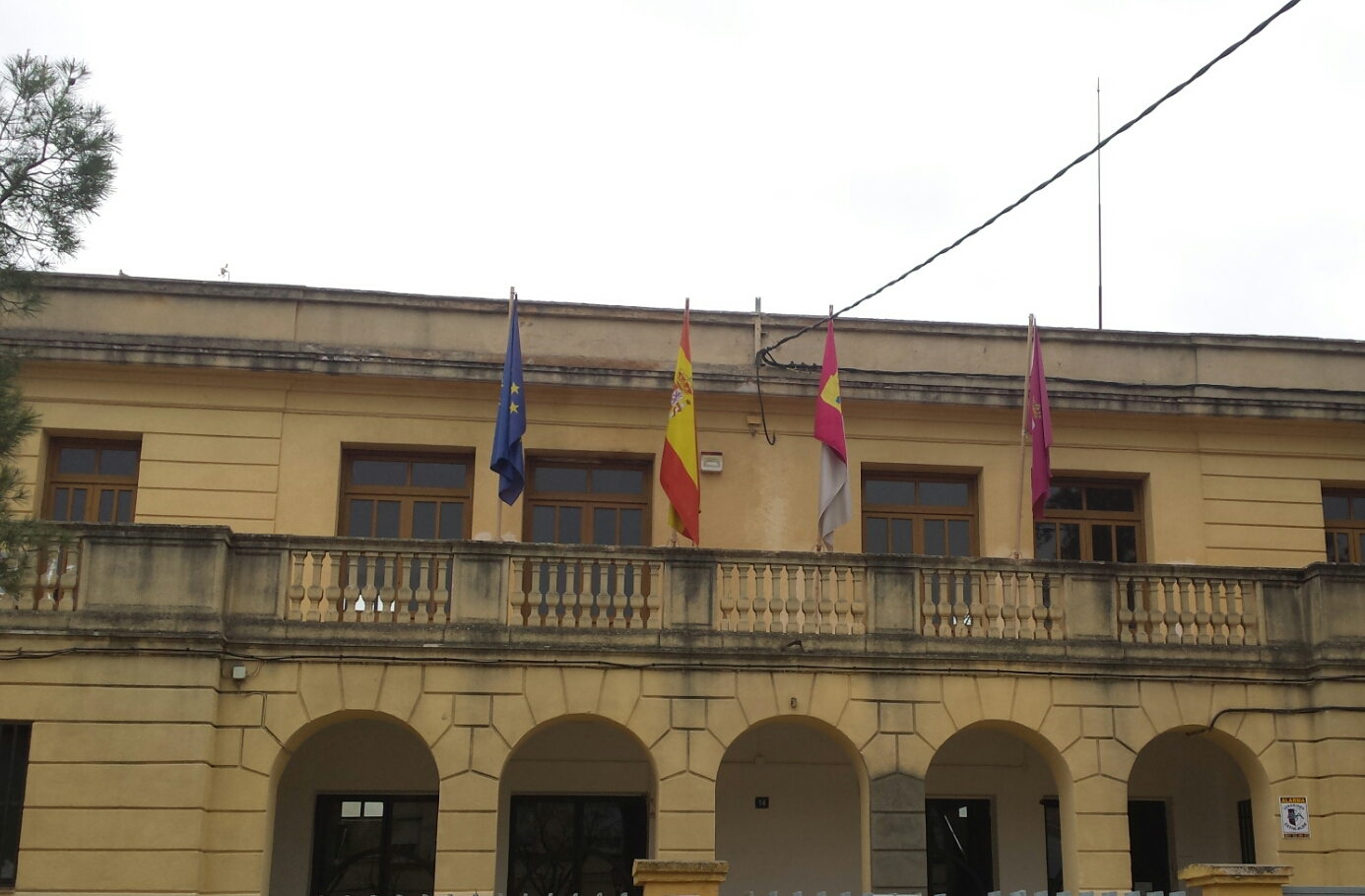
Museo Municipal de Albacete sits right on Plaza del Altozano, the main square and social hub of Albacete, in the heart of the city. The building housing the museum used to serve as the town hall until the mid-1980s, and its origins go back to an 18th-century mansion. Following a major renovation that preserved its distinctive exposed-brick facade, the building reopened as a museum in 1995, pairing a historic shell with a modern exhibition layout.
What will you see inside?
The exhibition takes visitors through multiple layers of the region's past. It opens with prehistoric remains and traces of Iberian culture, documented through finds from settlements, necropolises, and sanctuaries unearthed across Albacete province. Later rooms cover the Roman period — sculptures, mosaics, coins, and everyday objects — and the Visigothic era, represented by liturgical items and pottery. There are also pieces spanning the 13th to 18th centuries, along with artworks and craft objects from the 16th to 18th centuries, including traditional Albacete knife-making, a local specialty for generations.
A separate and particularly distinctive section is the International Popular Art collection, assembled by collector César Ramírez de Lucas. This is the part that has given the museum its national reputation, thanks to the sheer variety and originality of objects gathered from across continents. The museum also displays contemporary art: its holdings include over a hundred paintings by Benjamín Palencia, an Albacete-born painter regarded as one of Spain's significant 20th-century artists.
How do you get there?
The museum stands right in the center of Albacete on Plaza del Altozano, from where the city's main shopping streets radiate outward. This central position makes it easy to combine with a walk through the historic quarter, with other landmarks and services within a few hundred meters. Walking from the train or bus station typically takes fifteen to twenty-five minutes, and the square itself is well served by local public transport.
When should you visit?
The museum works well as part of a broader visit to Albacete, pairing naturally with a stop at the nearby historic center or the cathedral. Since the exhibits are entirely indoors, the museum is a good option year-round — including the hot summer months typical of Castilla-La Mancha, when an air-conditioned collection offers welcome relief from the heat outside.
Who is this museum for?
The museum draws archaeology and local-history enthusiasts alongside visitors curious about folk art from around the world and 20th-century painting. The range of collections — from prehistory to contemporary art — means the offer appeals to a wide audience, including families, for whom the visually rich popular-art collection often proves especially engaging.
Frequently asked questions
Where exactly is the museum located? On Plaza del Altozano, right in the center of Albacete, inside the former town hall building.
What are the museum's most notable collections? An archaeological collection spanning prehistory, Iberian, Roman, and Visigothic culture through to the 18th century, plus a standout International Popular Art collection and a set of paintings by Benjamín Palencia.
How much time should you set aside for a visit? Given the number of themed rooms, plan for at least an hour — history and art enthusiasts may want considerably longer.
Are there other attractions nearby? Yes — the central location on Plaza del Altozano puts you close to other landmarks in Albacete's historic quarter, making it easy to combine the museum visit with a walking tour of the city.
Nearby places

Earn badges for the places you visit
Download NextOnTrip, discover new places and check off your trails.