About this place
Museo etnográfico Carlos Soriano is a small ethnographic museum near Lorquí, dedicated to the traditional life and work of the Murcia huerta (the region's irrigated market gardens). It occupies a historic estate in the El Llano district, right on the road connecting Molina de Segura and Lorquí, on the bank of the Segura river.
Where did the museum come from?
The building was once the home of Carlos Soriano, a lawyer and local official born in Molina de Segura in 1823. In 1887 he bought land in El Llano and founded an agricultural colony there, providing work and housing for families from surrounding villages. Decades later the estate passed into municipal hands, and in 2003 it opened to the public as a museum bearing his name.
What will you see inside?
The exhibition traces daily life in the huerta as it was generations ago. Visitors can see archaeological finds from the municipality, including Iberian and Roman-era ceramics alongside objects linked to the older Argaric mining tradition. A separate section is dedicated to traditional working and formal clothing typical of the Murcia region, complete with accessories such as shawls, petticoats and hats. The rooms also display original furniture and household items from Soriano's own home, old machinery once used in the local preserve and canning industry, and miniature models of the tools and hydraulic devices that were used to irrigate the fields.
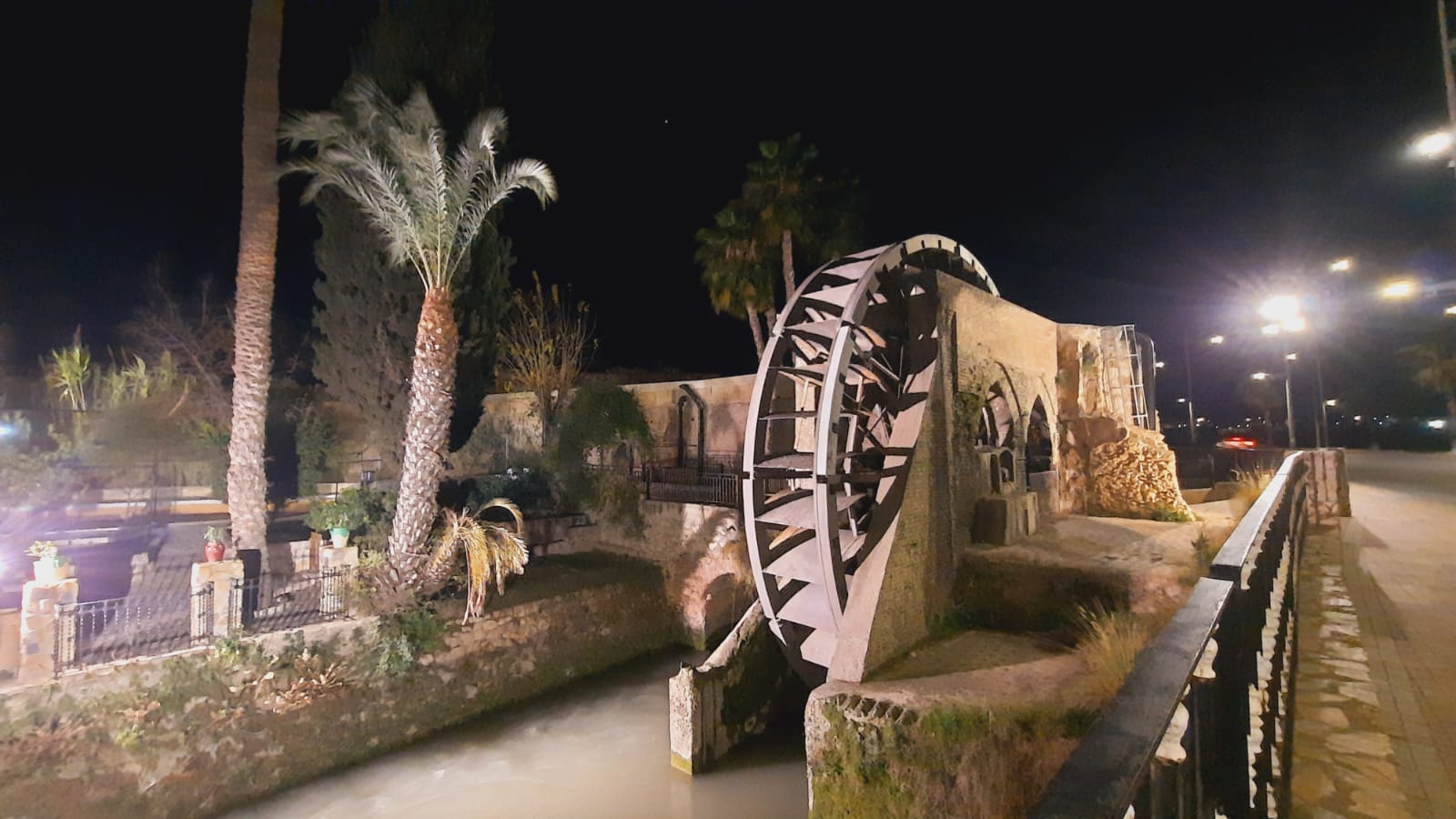
Beyond the museum building itself, the wider complex includes a small chapel and a historic wooden waterwheel dating from 1868. That waterwheel was the engine behind the whole settlement: it drew water from the river and made it possible for the agricultural colony at El Llano to take root and grow.
How do you get there?
The museum sits in the El Llano de Molina district, along the road running from Molina de Segura toward Lorquí, close to the Segura riverbank. It's a quiet, rural setting, well suited to travelers who want a close-up look at the region's farming past away from busier tourist centers. Arriving by car is the most practical option, since this isn't a conventional sightseeing hub — it's worth mapping out the route in advance.
When should you visit?
Opening hours are limited: the museum is only open to visitors on select days each month, so it's worth checking the current schedule with the local town hall or the Region of Murcia's tourism office before setting off. A visit pairs naturally with a stop at the neighboring chapel and waterwheel, which together help explain how the whole agricultural colony once worked.
Frequently Asked Questions
What is the Museo etnográfico Carlos Soriano? It's an ethnographic museum devoted to the history and tools of the traditional Murcia huerta, housed in Carlos Soriano's historic home in the El Llano district.
Who was Carlos Soriano? A lawyer and local official born in Molina de Segura in 1823, who founded an agricultural colony on this land in 1887.
What can you see in the exhibits? Archaeological finds, traditional Murcia-region clothing, original furniture and household items, old preserve-industry machinery, and miniature agricultural and hydraulic tools.
Is there anything else to see near the museum? Yes — right next to the museum building stand a historic chapel and an 1868 waterwheel, which once powered the irrigation system that fed the surrounding fields.
Nearby places

Earn badges for the places you visit
Download NextOnTrip, discover new places and check off your trails.