About this place
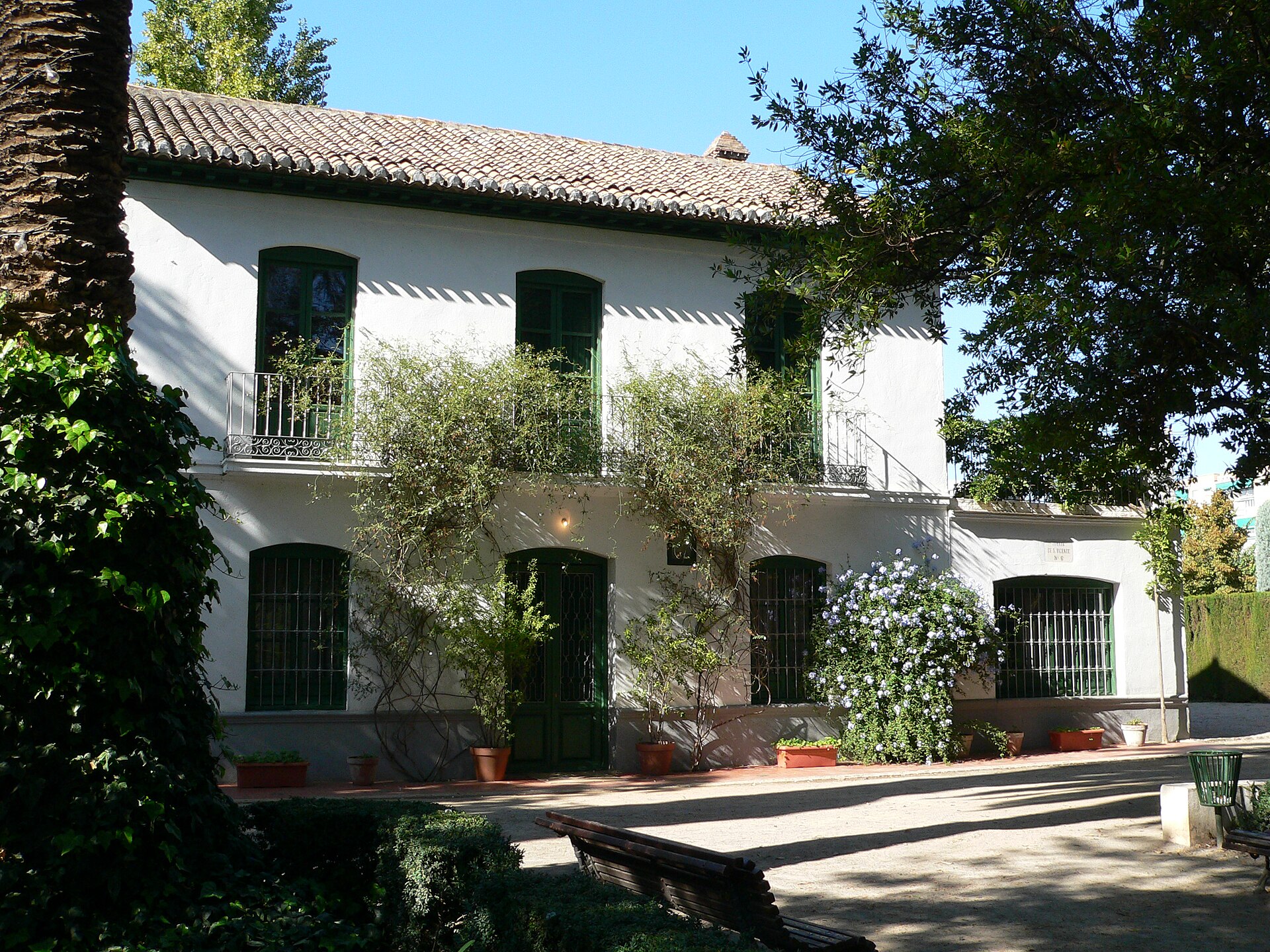
Museo de Historia de Motril is the municipal history museum of Motril, a coastal town on Spain's Costa Tropical in Granada province. Housed in the city's historic centre, it traces Motril's development from its earliest settlement through the centuries when sugar cane cultivation shaped the local economy and left its mark on the town's architecture and identity.
How do you get there?
Motril sits on the Costa Tropical coastline, roughly 60 km south of Granada city, reachable by the A-44 and A-7 motorways along the coast. Regular long-distance buses connect Motril with Granada and Malaga, and the town also has a passenger port with ferry links to North Africa. The museum itself sits within the compact city centre, an easy walk from the main squares and pedestrian streets, so a visit fits naturally into a stroll around the old town.
What should you know before visiting?
The museum opens Tuesday to Thursday from 9:30 to 13:00, and on Fridays and Saturdays from 9:30 to 13:00 and again from 18:00 to 20:00. That extended Friday–Saturday evening slot is worth building into your schedule, particularly if your trip to Motril falls on a Sunday or Monday, when the museum is closed. It's a good idea to call ahead on +34 958 60 32 24 to confirm current hours, since schedules can shift around summer and local holidays.
What will you see inside?
The exhibition focuses on the town and region's history — from early settlement, through the Muslim period and the Christian reconquest, to Motril's modern-day growth as a centre of sugar production. That sugar industry, built on cane introduced to the area centuries ago, made Motril one of the more significant economic hubs of the Granada coastline and left a lasting imprint on both the town's architecture and its sense of identity. The museum helps explain why this particular branch of industry took root here rather than in neighbouring Costa Tropical towns.
Why pair the museum with a walk around town?
Motril is more than a beach and a port — it's a town with a distinct historical identity, shaped by centuries of trade and subtropical agriculture. Visitors who start with the museum tend to notice more afterwards, whether it's architectural details in the old quarter or the tropical fruit plantations still visible in the surrounding countryside. It makes a solid starting point for anyone wanting context on the Costa Tropical before heading to the beach or up into the Sierra de Lújar.
When is the best time to visit?
Morning opening hours are the most comfortable option, when the town is cooler and quieter. The Friday and Saturday evening slot suits travellers who spend the day at the beach and save a cultural stop for later. Outside peak summer season, Motril is noticeably calmer, making for an easier, less crowded visit.
Frequently Asked Questions
Is there an entry fee? It's worth confirming current pricing by phone before your visit, using the contact number above — small municipal museums in Spain often charge little or nothing, but policies can change.
How long does a visit take? Given the museum's modest size, a full visit typically takes 45 minutes to an hour.
Is it suitable for children? Yes, the historical displays can work as a gentle introduction to regional history for younger visitors, though it's worth checking in advance whether simplified materials are available.
Are there other attractions nearby? Yes — Motril's historic centre, its municipal port, and the nearby Costa Tropical beaches all combine easily with a museum visit as part of a day exploring the town.
Nearby places

Earn badges for the places you visit
Download NextOnTrip, discover new places and check off your trails.