About this place
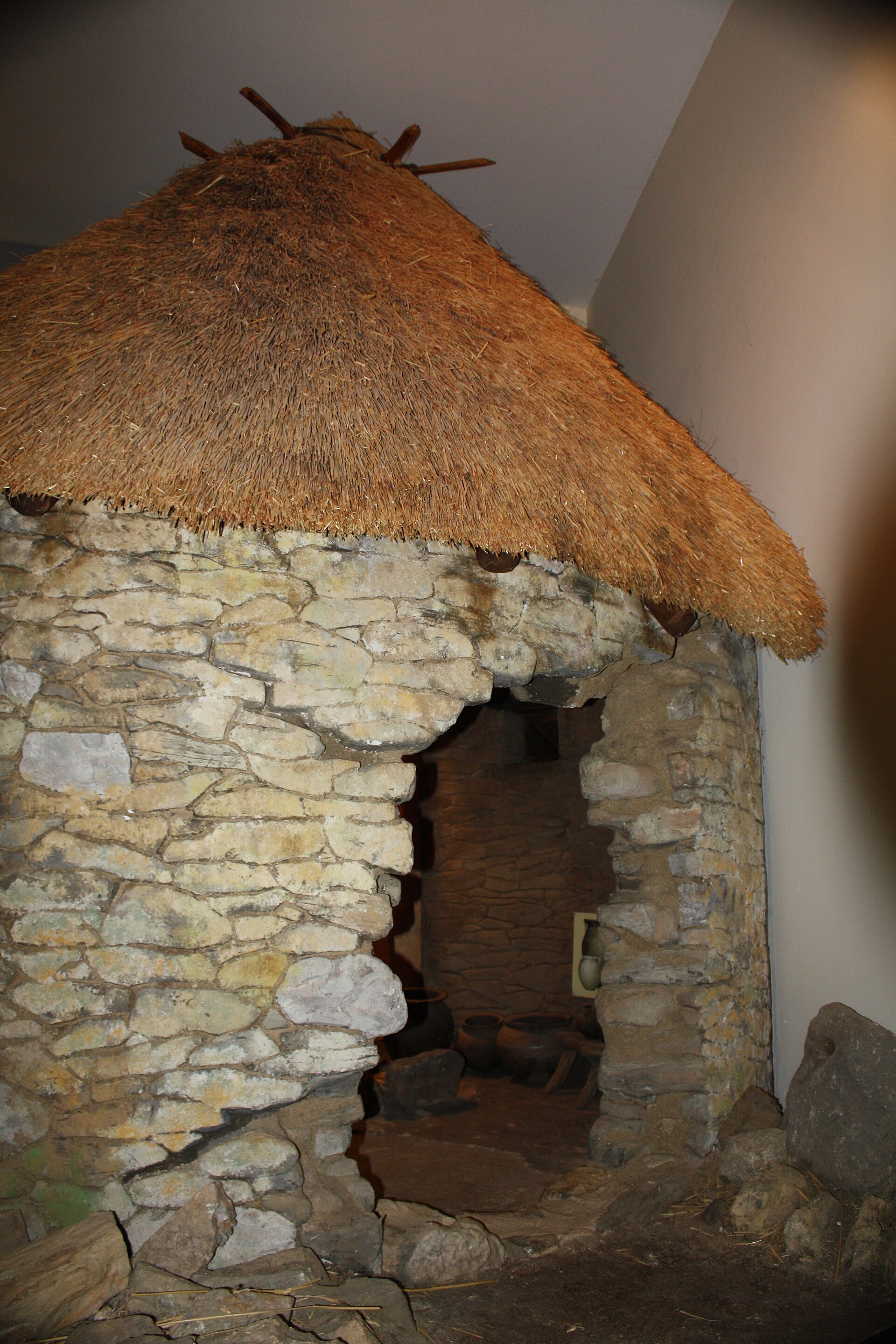
Museo da Historia de Valga is the local history museum of Valga, a small municipality in the province of Pontevedra, Galicia, on the left bank of the Ulla river. It covers the natural surroundings and history of the municipality, with an entire floor devoted to its most famous native, the dancer Carolina Otero, known as La Bella Otero.
Where is the museum located?
The museum stands at Rúa Baixa 5 in Valga. The municipality borders Padrón, Pontecesures and Dodro to the north and sits in the Rías Baixas area, roughly 20 km from Santiago de Compostela's Rosalía de Castro–Lavacolla airport, reachable via the AP-9 motorway. The Camino Portugués and a river-and-sea pilgrim route also pass through the area, making Valga a convenient stop for walkers following the Way of St. James along the Ulla toward Santiago.
What is inside the museum?
The main building is organised into four exhibition areas across its floors. The ground floor focuses on the territory and natural environment of the municipality, centred on the Ulla valley landscape. The first floor traces Valga's history from its earliest settlers to the present day. The mezzanine is dedicated to the life and work of historian Xesús Ferro Couselo, a researcher closely tied to the region. The top floor is devoted entirely to Carolina Otero.
An annexe building sits next to the main one: a restored traditional Galician house from the late 19th century, which adds an ethnographic dimension by illustrating everyday life in the municipality in past generations. The museum and the neighbouring library recently underwent renovation funded with a €90,000 investment from the Xunta de Galicia.
Who was La Bella Otero?
Agustina Carolina Otero Iglesias was born in Valga in 1868 into a poor family. As a child she moved to Santiago de Compostela to work as a maid, and she began dancing at the age of 14. Her path took her through Barcelona and Marseille before she reached Paris, where she became one of the most celebrated dancers of the Belle Époque, renowned for her beauty and her many love affairs. She amassed a considerable fortune, much of which she later lost gambling in the casinos of Monte Carlo. She retired from the stage in 1913 and died in Nice in 1965. The museum's top-floor exhibit traces her life and the era she came to symbolise.
When to visit and how much does it cost?
The museum is open Monday to Friday, from 10:00 to 14:00, with free admission. Since it closes on weekends, it is best visited on a weekday, ideally as part of a longer stop in the Ulla valley combined with a visit to nearby Padrón or a stretch of the Camino Portugués.
Frequently asked questions
Is there an entrance fee? No, admission is free and no booking is required.
What are the opening hours? Monday to Friday, 10:00 to 14:00. The museum is closed on weekends.
What is in the building next to the main exhibition? A restored traditional Galician house from the late 19th century, forming an additional ethnographic section of the museum.
Why does Carolina Otero have her own floor in the museum? She was born in Valga and is the municipality's most famous figure — as a dancer and icon of Belle Époque Paris she achieved international fame, so her story became a dedicated part of the exhibition.
Nearby places

Earn badges for the places you visit
Download NextOnTrip, discover new places and check off your trails.