About this place
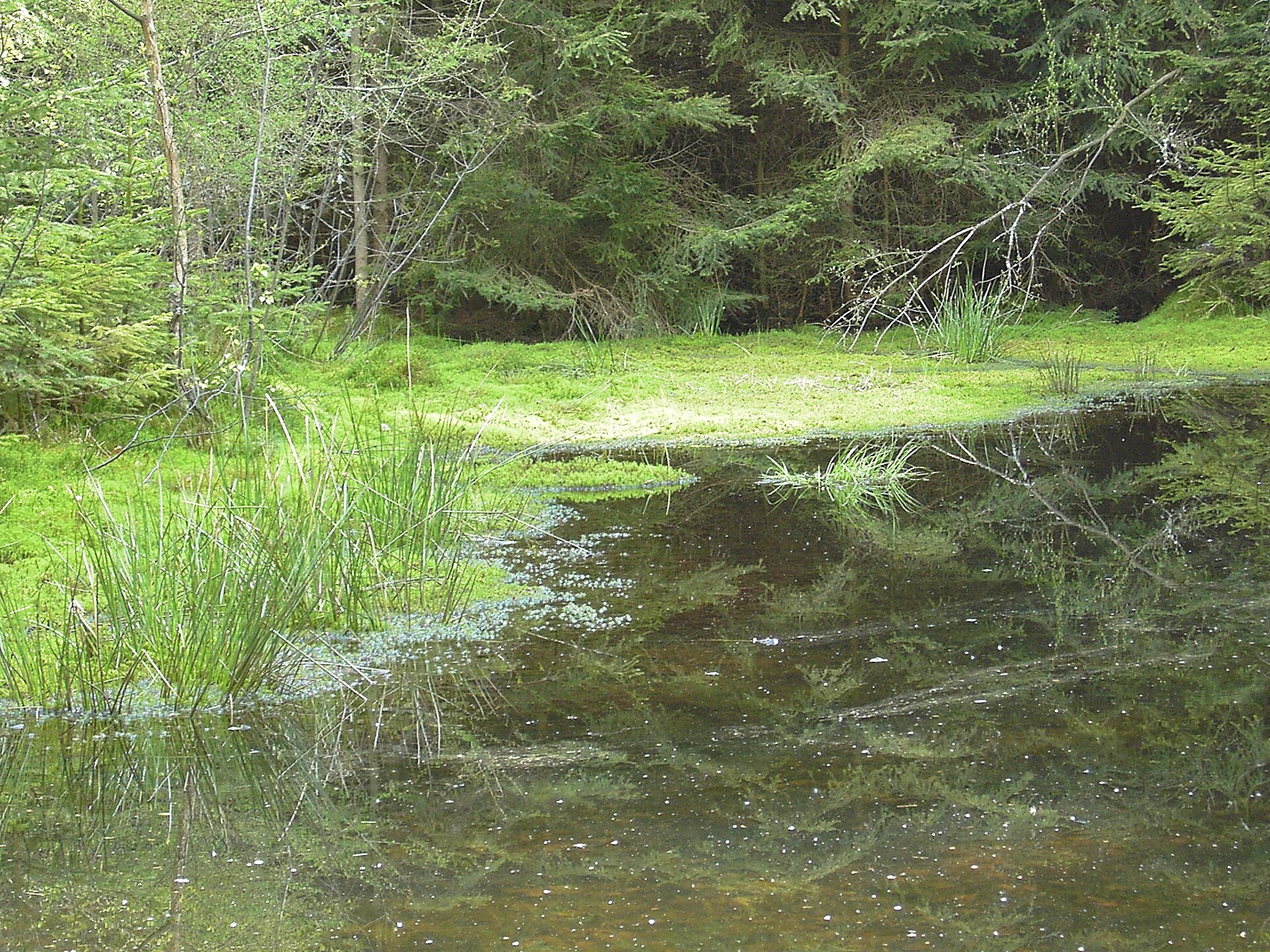
Maršálka is a small but ecologically valuable nature reserve located in the Vysočina Region of the Czech Republic, northeast of the village of Barovice, near Libice nad Doubravou. Sitting at an altitude of roughly 600–615 metres, the reserve protects a well-preserved area of wet peat meadows along with a range of rare, legally protected plant and animal species.
Why was this area protected?
The reserve was established in 2000 (with protection formally taking effect on 1 January 2001) to safeguard a unique wetland ecosystem. Wet peat meadows like this have been drained across much of Central Europe for agriculture and pasture over the decades, which makes surviving, largely intact examples increasingly rare — and increasingly important as refuges for species that depend on consistently damp, nutrient-poor habitats.
What can you find here?
Among the reserve's notable plants is the round-leaved sundew, a small carnivorous plant typical of peat bogs, whose presence is a strong indicator of a healthy, undisturbed wetland. Marsh valerian also grows here, a species tied to damp meadows and reed-like vegetation. On the animal side, the viviparous lizard is present — a reptile well adapted to cooler, moister conditions, distinguished from most lizard species by giving birth to live young rather than laying eggs.
Restoring water to the landscape
Between 2022 and 2023, the reserve underwent a successful revitalisation project aimed at returning water to previously drained sections of the meadows. The work carries significance well beyond the reserve's boundaries: it helps mitigate drought, improves water retention in the surrounding landscape, and reduces flood risk downstream. Projects like this have become an increasingly central part of nature conservation in the Czech Republic, particularly as the region faces more frequent and severe dry spells linked to a changing climate.
The reserve is managed by the Regional Authority of the Vysočina Region, which oversees protected natural areas across the region.
What should visitors know?
Maršálka is best suited to visitors with an interest in botany, birdwatching, or wetland ecology rather than travellers looking for a heavily developed tourist attraction. Because of its reserve status and the fragility of peatland habitats, visitors should stick to marked paths and avoid stepping onto the wet meadow areas directly — both for their own safety and to protect a habitat that can take decades to recover from disturbance.
Frequently asked questions
Where exactly is the Maršálka reserve located? In the Vysočina Region of the Czech Republic, northeast of the village of Barovice, near Libice nad Doubravou, at an altitude of about 600–615 metres.
When was the reserve established? In 2000, with formal protection taking effect on 1 January 2001.
What species does Maršálka protect? Mainly plants and animals associated with wet peat meadows, including the round-leaved sundew, marsh valerian, and the viviparous lizard.
Has any conservation work been carried out in the reserve? Yes — between 2022 and 2023, a revitalisation project restored water to previously drained meadow sections, helping combat drought and improve water retention in the landscape.
Nearby places

Earn badges for the places you visit
Download NextOnTrip, discover new places and check off your trails.