About this place
Lintkasteel is the remnant of a moated castle in Grimbergen, in the Flemish region of Belgium, with a surviving section dating from the 16th–17th century and a neo-traditionalist wing added in the first quarter of the 20th century. The estate sits along the Gillebeek stream and packs a surprising amount of history into a relatively small site — medieval feudal roots, wartime occupation, and a 20th-century industrial owner all left their mark here.
Where does the name Lintkasteel come from?
The castle takes its name from the Van Lint family, who held feudal authority over the site. The earliest mention of the lords of Lint dates back to 1181 — they were knights and feudal vassals of the lords of Grimbergen, a dependency that lasted until the French Revolution. That means the site's history as a noble residence stretches back more than eight centuries, even though the building standing today is considerably younger than those first records.
Who lived at the castle?
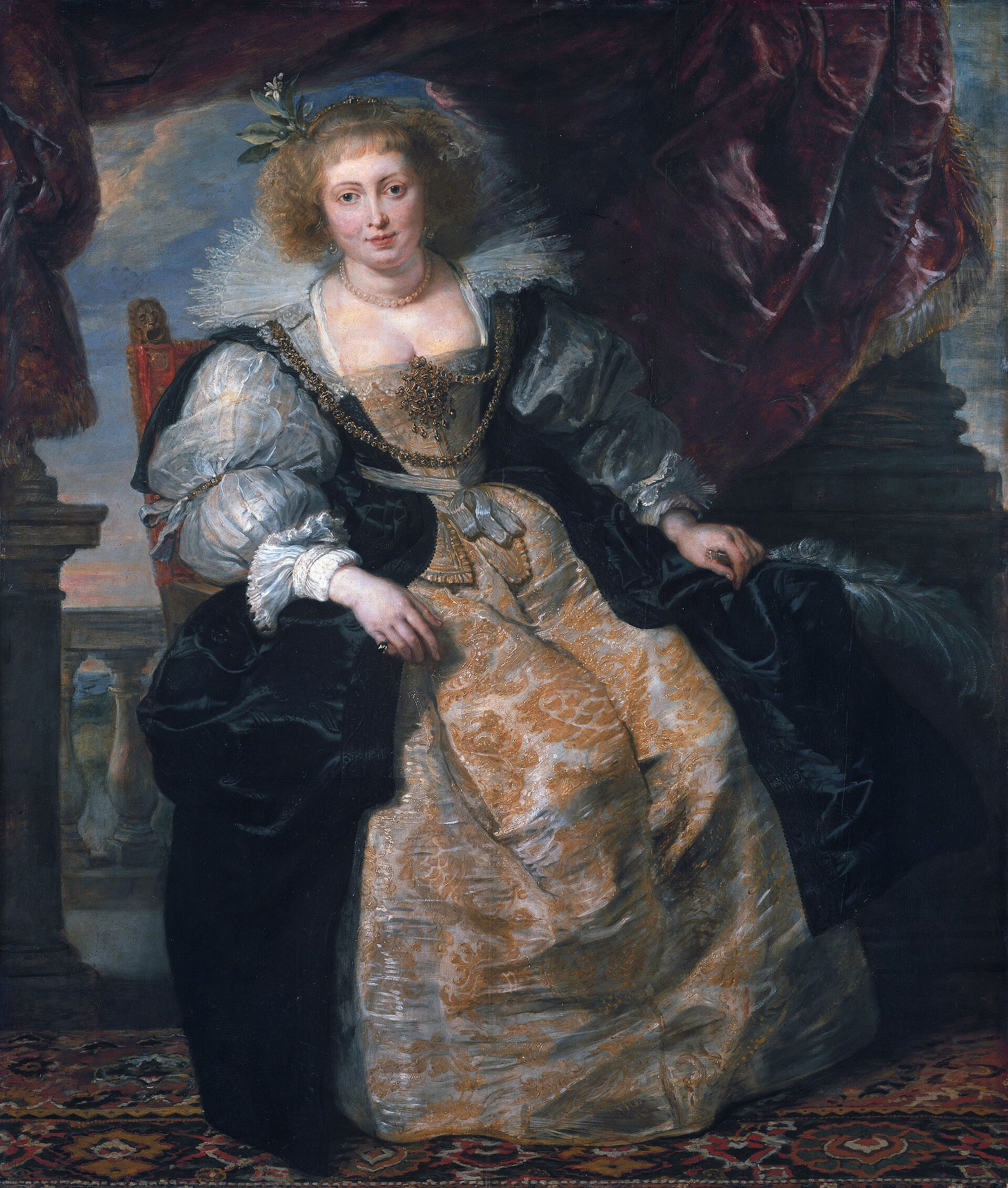
One name stands out among the estate's owners: Hélène Fourment (1614–1673), the second wife of painter Peter Paul Rubens, who held the title of Lady of Lint. For most of the 19th century the estate belonged to the counts of Liedekerke. In 1923–24 they sold the house, grounds, and pond to Jozef Van Campenhout (1885–1968), a farmer who later became mayor of Grimbergen — a telling shift from an aristocratic estate into the hands of a local figure holding public office.
What happened to the castle during the Second World War?
In 1940, German occupying forces installed themselves at Lintkasteel and expanded the airfield located on the opposite side of Lintkasteelstraat. It's one of the lesser-known but striking episodes in the site's history — a castle that had served as a seat of local nobility for centuries briefly became part of wartime military infrastructure.
Who was the last private owner?
In 1946, businessman Albert Thys (1912–1981), chairman of the Electrobel conglomerate, became the owner of the castle. He was knighted by King Baudouin in 1964. His involvement in Belgium's postwar economy opened a new chapter for the estate, quite different from the centuries of feudal and landed ownership that preceded it.
Is Lintkasteel protected today?
Yes — the castle was granted heritage protection on July 9, 1980. That status reflects the historical and architectural value of the complex, which combines the remains of the original moated castle with the younger neo-traditionalist section built in the early 20th century.
Frequently asked questions
Where exactly is Lintkasteel located? In Grimbergen, in the Flemish region of Belgium, along the Gillebeek stream.
How old is the castle? The surviving part dates from the 16th–17th century, while a neo-traditionalist wing was added in the first quarter of the 20th century.
Can visitors tour the castle? The site has been a protected heritage monument since 1980, but it remains private property — check current access rules before planning a visit.
What was the connection between the castle and Rubens's wife? Hélène Fourment, the second wife of Peter Paul Rubens, held the title of Lady of Lint through her association with the estate in the 17th century.
Nearby places

Earn badges for the places you visit
Download NextOnTrip, discover new places and check off your trails.