About this place
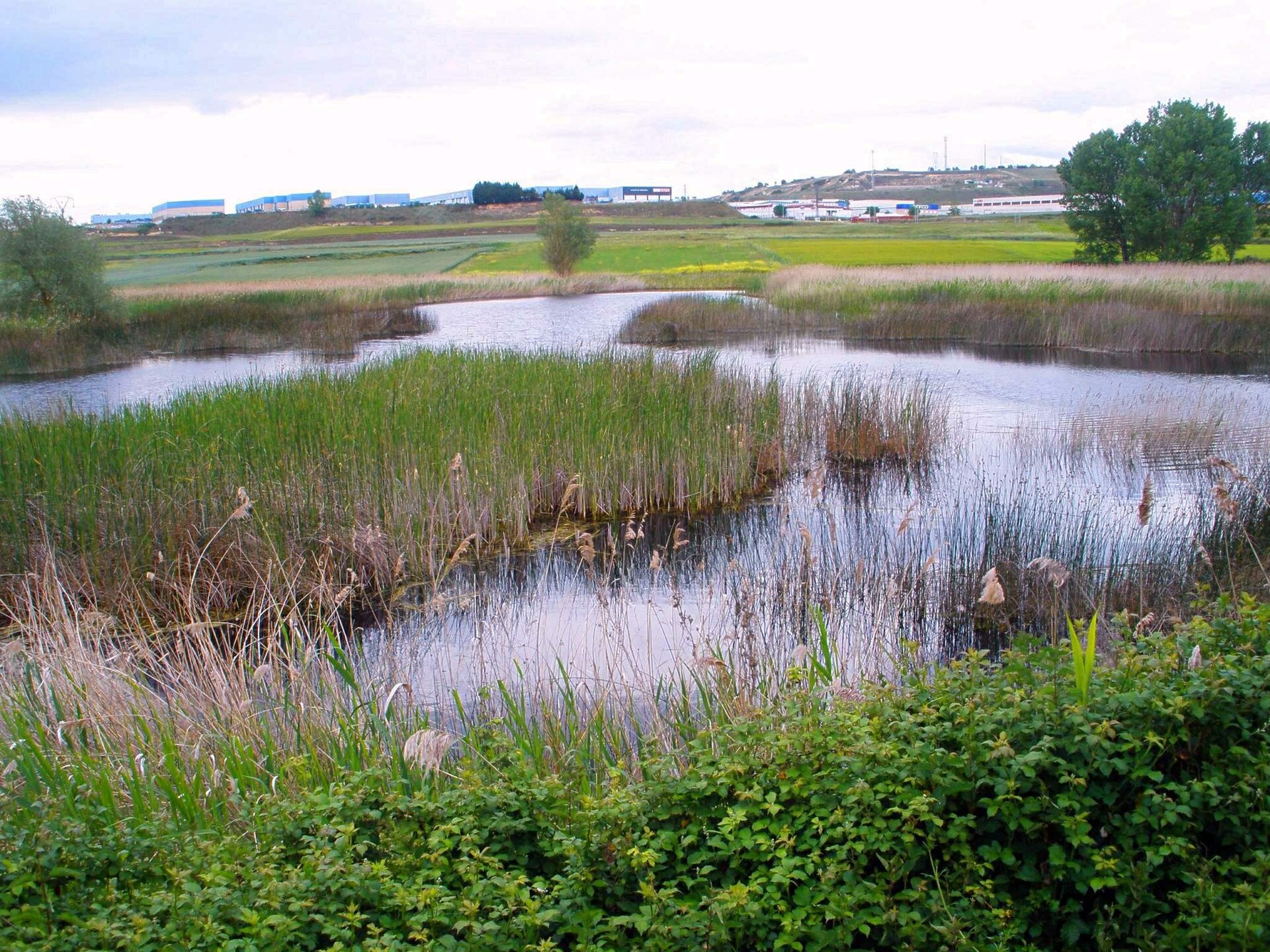
Laguna de Carralogroño is one of four natural lakes forming the lagoon complex near Laguardia, in the Rioja Alavesa area of the Álava province. It's a shallow, saline endorheic wetland — meaning it has no connection to any surface or underground aquifer. Its only water source is rainfall, which fills the basin during the wetter months of the year.
What should you know before visiting?
Water levels at Carralogroño swing dramatically through the year. In summer, the lagoon often dries out almost completely, leaving a cracked, salt-crusted basin exposed. Come autumn, renewed rainfall refills the lake, allowing a rich aquatic ecosystem to take hold — from marsh vegetation to waterbirds. This annual cycle of drying and flooding is what gives the site its distinctive character, and it's the main reason timing your visit matters.
The full Laguardia lagoon complex includes three seasonal endorheic lakes, Carralogroño among them, plus a fourth body of water, Prao de la Paúl, which is actually an artificial reservoir built on the site of a former wetland. The area was declared a protected biotope by the Basque Government in 1995, and later gained recognition as a Ramsar wetland site and a Natura 2000 site. In 2023, its protection status was upgraded to that of a nature reserve.
How do you get there?
The lagoon sits right next to the town of Laguardia, one of the most picturesque spots in Rioja Alavesa, known for its walled old town and rock-cut wine cellars. The surrounding terrain is flat and easy to explore on foot or by bike — a marked trail connects the different lagoons in the complex and is accessible to most visitors without requiring any special fitness level.
What will you see on site?
At least five distinct habitat types of community interest have been identified within the complex, making it an important site on the region's natural map. The wetlands draw around a dozen bird species that use the seasonal marshes as feeding and resting grounds during migration. Bringing binoculars is worthwhile — birdwatching is one of the main draws here, especially in autumn and spring when water levels favor waterbird presence.
When is the best time to visit?
Autumn and early spring are the best times to see the ecosystem at its most active, when the lagoon holds the most water. In summer the basin is often dry or nearly dry, which still offers an interesting view of the steppe-like landscape but limits opportunities to observe aquatic wildlife. Pairing the visit with a walk through Laguardia's old town and the surrounding Rioja Alavesa vineyards makes for a well-rounded day out.
Frequently asked questions
Does Laguna de Carralogroño hold water all year round? No. It's a seasonal wetland that depends entirely on rainfall — it often dries out partially or fully in summer and refills again in autumn.
Is the lagoon a protected area? Yes. The Laguardia lagoon complex has been a protected biotope since 1995, is listed as a Ramsar site and part of Natura 2000, and has held nature reserve status since 2023.
Can you swim in the lagoon? No, it's a protected natural area intended for observation, not water recreation.
How many lagoons make up the Laguardia complex? Four — three natural seasonal lakes, including Carralogroño, plus the artificial reservoir Prao de la Paúl.
Nearby places

Earn badges for the places you visit
Download NextOnTrip, discover new places and check off your trails.