About this place
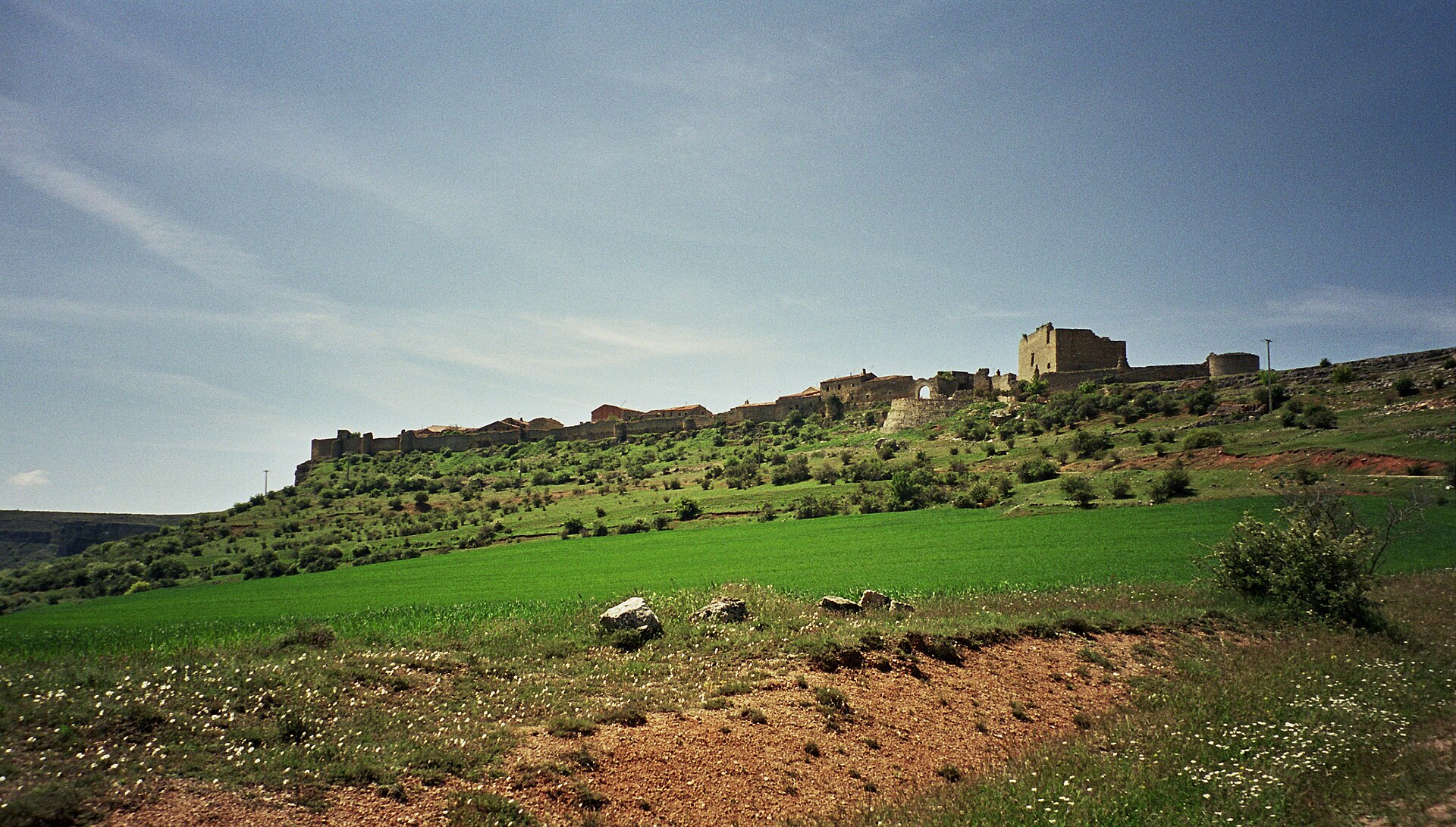
La Torresaviñán is a small locality (a pedanía, or dependent settlement) that forms part of the municipality of Torremocha del Campo, in the province of Guadalajara, Castile-La Mancha. It sits on a low hill in the quiet farmland of the Alcarria area, in northeastern Guadalajara, with views over the surrounding fields and the road heading toward Madrid.
Where is it and how do you get there?
Torresaviñán lies right next to Torremocha del Campo, the main village of the municipality it has belonged to since 1970. In that year, the once-independent municipality of Torresaviñán was merged, along with the neighbouring villages of Navalpotro, Laranueva, La Fuensaviñán, Renales and Torrecuadrada de los Valles, into a single enlarged municipality centred on Torremocha del Campo. The settlement's hilltop position was originally chosen for defensive reasons, and it still offers a clear view over the fields and the highway that runs toward the Spanish capital.
Where does the name come from?
The village takes its name from a castle built in the 12th century by Manrique de Lara, lord of Molina, who controlled these lands at the time. The fortress was raised on what was known as the "field of Saviñán," at the very edge of his domain, to guard the frontier of territory that had recently been taken from the Muslim taifa kingdom of Molina. Builders reused an existing Arab watchtower as the foundation for the new stronghold, which sped up construction considerably. During the same century, Manrique de Lara brought in settlers from his own family lands in Alfoz de Lara, in the province of Burgos, repopulating this contested border region.
A church dedicated to Saint John — locally known as San Illán — was later built beside the castle, and the growing settlement came to be called Torre San Illán. Over time, the name gradually shifted into its present form, Torresaviñán.
What can visitors see today?
The most notable surviving structure is the castle's keep, a tower roughly 15 metres tall that remains standing as the clearest trace of the old fortress. Ownership of the castle passed through several hands over the centuries: it belonged at one point to the bishopric of Sigüenza, and for a period it was held by the Infante Don Juan Manuel, one of medieval Castile's best-known noblemen and writers. The building suffered serious damage in 1710, during the War of the Spanish Succession, when retreating Habsburg troops fired on its walls and tower — an event that permanently altered its appearance.
The area around Torresaviñán also holds archaeological interest. Near Renales and a site known as La Cabezada, Celtiberian cremation cemeteries dating to the Second Iron Age have been identified, pointing to settlement here well before Roman times.
When is the best time to visit?
Given its quiet, rural character, spring and early autumn are the most pleasant times to visit, when temperatures on the Guadalajara plateau are mild and the hillside setting of the old castle ruins is at its most scenic. Torresaviñán makes a worthwhile stop when exploring Torremocha del Campo and the string of small villages that now share its municipal boundary.
Frequently Asked Questions
What is La Torresaviñán? It is a small locality (pedanía) within the municipality of Torremocha del Campo, in Guadalajara province, formerly an independent municipality that was absorbed into Torremocha del Campo in 1970.
Where does the name Torresaviñán come from? It derives from a 12th-century castle built by Manrique de Lara on the "field of Saviñán," combined with the name of the church of San Illán, which together gave rise to "Torre San Illán" and later "Torresaviñán."
What remains of the castle? Mainly its keep, a tower about 15 metres high, which was heavily damaged in 1710 during the War of the Spanish Succession.
Who owned the castle historically? It belonged to the bishopric of Sigüenza and, for a time, to the Infante Don Juan Manuel.
Nearby places

Earn badges for the places you visit
Download NextOnTrip, discover new places and check off your trails.