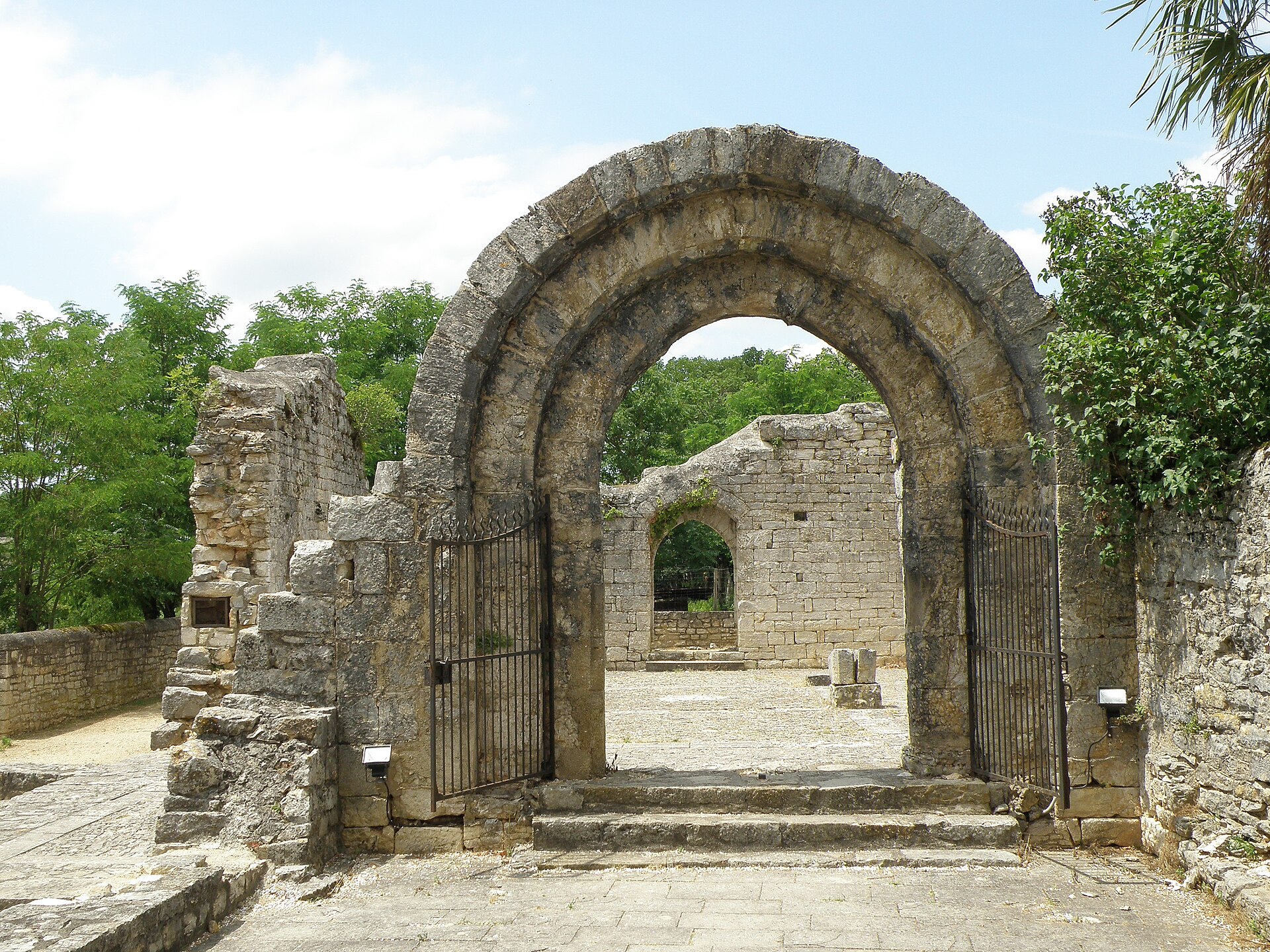
About this place
The Hôpital de l'Hospitalet is a medieval pilgrim hospital site, now in ruins, in the village of L'Hospitalet on the plateau above the Rocamadour canyon, in the Lot department of southwest France.
What is the story behind this place?
The village of L'Hospitalet takes its name directly from this building — a medieval hospital built to receive pilgrims. Local tradition credits its founding to Dame Hélène de Castelnau in the 11th century: after getting stuck in a marsh with her servant, she is said to have vowed to devote herself to the care of the poor and of pilgrims if she managed to get free. In the 13th century the site was rebuilt and expanded as the Hôpital Saint-Jean, run by the Knights Hospitaller — the order after which both the hospital and the village are named.
Rocamadour was one of medieval Europe's major pilgrimage destinations, drawing visitors to its miracle-working Black Madonna, while also sitting on routes heading toward Santiago de Compostela and even the Holy Land. That volume of foot traffic made basic health screening a practical necessity: the hospital at L'Hospitalet held pilgrims suspected of carrying contagious disease under observation before they were allowed to continue on to the sanctuary. Two other facilities nearby served the same pilgrim network — the Notre-Dame hospital in the town itself, and the Saint-Jacques hospital at Magès, just south of Rocamadour.
What can you see there today?
What remains on site are the ruins of the hospital building and the chapel of Saint-Jean-Baptiste. Next to them stands the Porte de l'Hôpital, also known as the Porte Sainte — the old gate that once marked the entrance to the hospital precinct. Both the gate and the hospital ruins are listed as protected historic monuments in France. Close by lay the so-called "champ des pauvres," a burial ground for pilgrims of modest means who did not survive the journey or their stay at the hospital.
How do you get to L'Hospitalet?
The village sits on the D673 road, right at the edge of the plateau, only a few hundred metres from the cliff edge with its view over Rocamadour and the Alzou valley. It's a natural first stop for anyone approaching the sanctuary from the north, including walkers on the GR6 trail, part of the network of routes to Santiago de Compostela. For drivers, it also works as a practical staging point before continuing on foot into Rocamadour itself.
When is the best time to visit?
The ruins and chapel form a small, quiet stop that doesn't take long to see, so it's worth pairing the visit with a few minutes at the viewpoint over the canyon — the panorama of Rocamadour from up here is one of the most recognisable views in the region. Spring and autumn are the most comfortable seasons for walking the plateau, avoiding the summer crowds and heat that build up along the whole pilgrimage route in high season.
Frequently asked questions
Where does the name L'Hospitalet come from? From the medieval pilgrim hospital (French: hôpital) that operated on this site between the 11th and 13th centuries.
Who founded the hospital? Tradition credits Dame Hélène de Castelnau, with the Knights Hospitaller later taking over and expanding the site in the 13th century.
What was the hospital actually used for? Mainly quarantine — pilgrims suspected of contagious illness were held here for observation before being allowed into the Rocamadour sanctuary.
Can you visit the ruins and chapel on your own? Yes, the site is open to visitors and sits right on the main approach road to Rocamadour, making it an easy short stop before heading down into town.
Nearby places

Earn badges for the places you visit
Download NextOnTrip, discover new places and check off your trails.