About this place
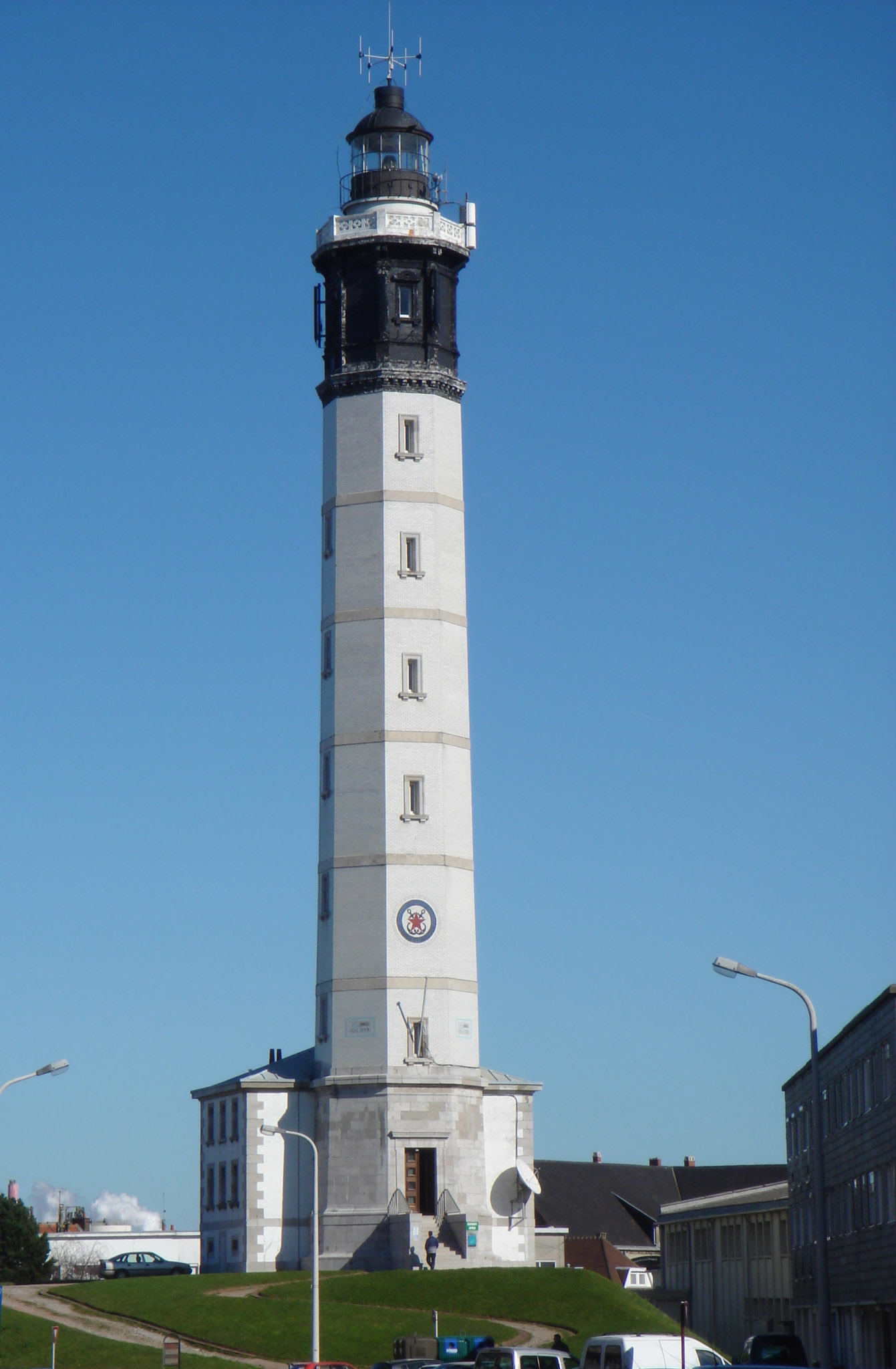
Feu de Saint-Pol is a lighthouse standing at the tip of the western jetty of the port of Dunkirk, in the Nord department of northern France. It takes its name from the neighbouring commune of Saint-Pol-sur-Mer, even though the structure itself actually sits within Dunkirk's boundaries — one of those quirky naming mismatches that pop up along the French coast.
What makes this lighthouse special?
Feu de Saint-Pol is the only Art Deco lighthouse in France. It was built between 1937 and 1938 to a design by architect Gustave Umbdenstock, marking his final completed project. The light was first lit in 1939, just before the outbreak of the Second World War, which soon after brought near-total destruction to Dunkirk's port facilities. The lighthouse itself survived the war, though not unscathed: German forces surrounded it with a concrete blockhouse and used it as an observation post. That blockhouse was demolished in 1946, and the structure was restored to its original prewar appearance in 1954.
How to get there?
The lighthouse stands on the jetty that reaches out into the sea from Dunkirk's port, right next to the city's beaches and seafront promenade. The easiest way to reach it is on foot or by bike along the waterfront, heading toward the harbour entrance — the route runs through the industrial-maritime landscape that defines Dunkirk, with views of shipping traffic and port infrastructure along the way. It's a spot favoured by fans of industrial architecture and coastal walkers alike, blending seaside calm with the working atmosphere of one of the Channel's major ports.
What will you see?
The lighthouse's distinctive, geometric 1930s silhouette stands apart from the more classical lighthouse designs found elsewhere in France. Its Art Deco character comes through in the bold, simple lines of the structure, which still communicate the modernist spirit of the interwar years. Historically, the site is tied to dramatic wartime events — the 1940 evacuation of Dunkirk and the city's subsequent postwar reconstruction both unfolded in its shadow.
The lighthouse was listed as a monument historique (historic monument) on 31 December 1999, recognising its status as a unique example of interwar lighthouse architecture. The light was automated in 1978, and the last keeper left the post the following year, in 1979 — it has operated unmanned ever since.
Restoration and what's next
In April 2022, Dunkirk's city authorities announced restoration plans for the lighthouse, backed by funding from France's Ministry of the Sea. The first phase of works aims to bring back its original splendour and secure the structure for decades to come — which for visitors means the site may be partly under scaffolding in the near term, so it's worth checking ahead of a visit.
When to visit?
Late afternoon and early evening offer the best light for viewing the lighthouse and the surrounding coastline, as the setting sun accentuates its geometric lines. As a port city, Dunkirk tends to be windy year-round, so pack a layer regardless of season.
Frequently asked questions
Can you go inside the lighthouse? Feu de Saint-Pol is an automated, active navigation aid, so its interior isn't normally open to visitors.
Why is a lighthouse in Dunkirk called "Saint-Pol"? The name comes from the neighbouring commune of Saint-Pol-sur-Mer, even though the lighthouse itself stands within Dunkirk — a legacy of how the coastline's municipal boundaries were historically drawn.
What makes this lighthouse unique? It's the only Art Deco lighthouse in France, designed by architect Gustave Umbdenstock as his final completed work.
Is the lighthouse a protected landmark? Yes — it was listed as a monument historique on 31 December 1999.
Nearby places

Earn badges for the places you visit
Download NextOnTrip, discover new places and check off your trails.