About this place
Dos Hermanas
Dos Hermanas is a city in Andalusia, in the province of Seville, sitting roughly 15 km south of the regional capital. With a population above 140,000, it ranks as the second-largest municipality in the province of Seville and one of the larger cities in Andalusia overall — yet it lives somewhat in the shadow of its famous neighbor, often treated as a stopover on the way to Seville rather than a destination in its own right, despite having a distinct character and history.
How do you get to Dos Hermanas?
Its closeness to Seville makes access straightforward. From central Seville, a car ride along the A-4 or SE-30 takes about fifteen minutes. The Cercanías regional train also connects Dos Hermanas with downtown Seville and San Pablo Airport, with journeys typically lasting 15 to 20 minutes. Local buses run as well, making the city a practical base for travelers who want to skip Seville's higher accommodation prices while still keeping quick access to its main sights.
What is there to see in the city itself?
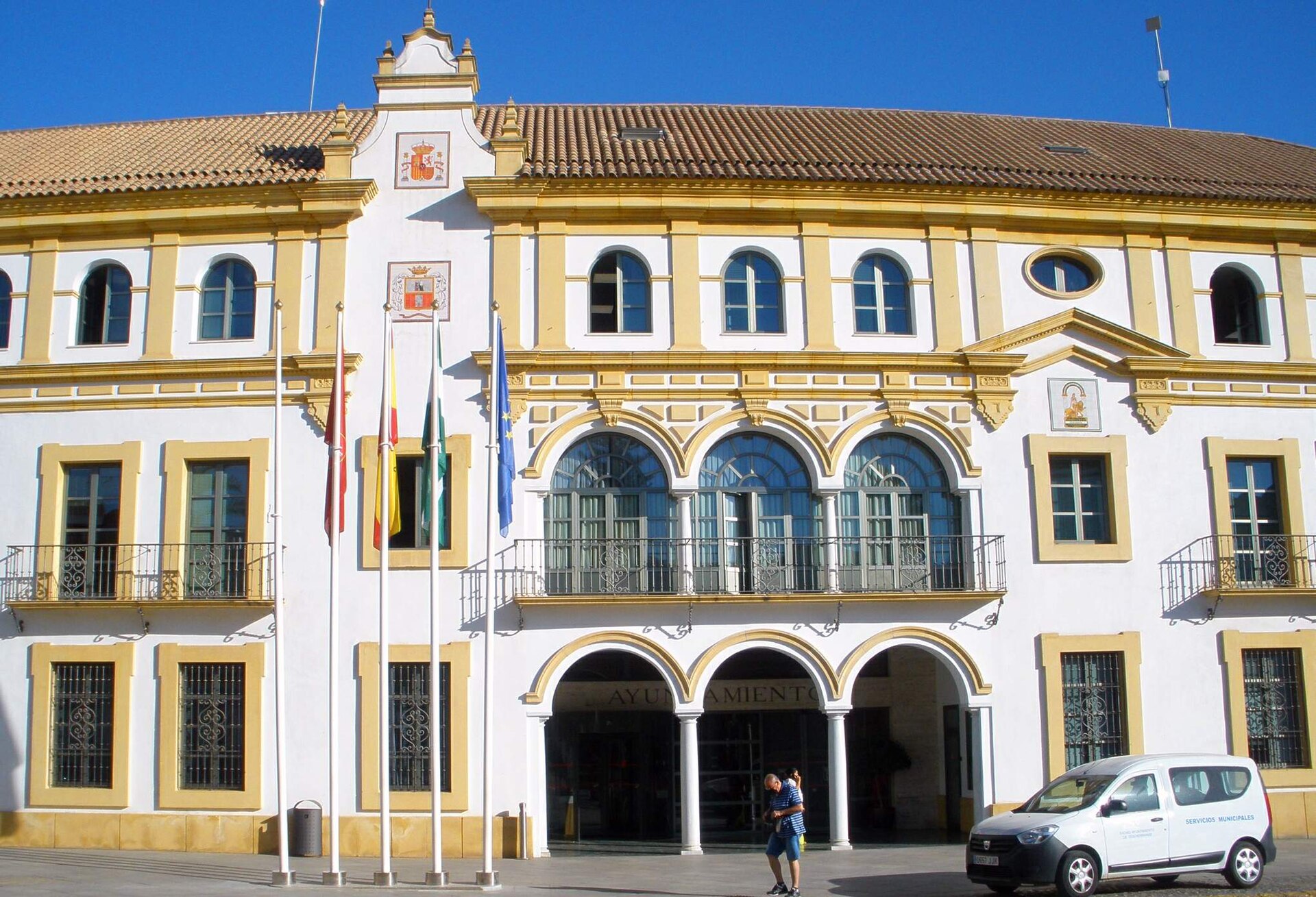
Dos Hermanas isn't a classic sightseeing checklist destination — it's a city that runs on its own rhythm, with Andalusian character visible in its central architecture, local squares, and traditional tapas bars. A walk through the old town reveals churches and buildings carrying traces of the region's centuries-long history. The city also has a notable reputation in the chess world: it has hosted international chess tournaments featuring some of the world's top players for years, drawing enthusiasts of the game from across Europe.
One notable biographical fact is that Felipe González Márquez, Spain's long-serving prime minister and one of the most significant figures in Spanish politics of the late 20th century, was born in Dos Hermanas. That gives the city a certain historical weight, even though it doesn't have an extensive museum infrastructure dedicated to him.
When is the best time to visit?
Andalusia's climate means hot summers, so spring (March–May) and autumn (September–November) are the best windows for a visit, offering pleasant temperatures and long daylight hours. Summer can be brutally hot, with temperatures regularly topping 35°C, which makes midday sightseeing uncomfortable. Winter is mild but comes with shorter days and cooler evenings that limit outdoor activity time. If your trip is tied to a chess event, it's worth checking the tournament calendar ahead of time, since dates are set on a year-by-year basis.
What else should you know?
In practice, Dos Hermanas functions as part of the greater Seville metropolitan area, sharing transport links and cultural influence with the city. That makes it easy to combine a stay here with a day trip into central Seville — the cathedral, the Alcázar, or the Triana district — while returning to a quieter, less touristy base for the night. Local food follows classic Andalusian tradition: gazpacho, jamón, and fresh fish and seafood sourced from the nearby coast.
Frequently asked questions
Is Dos Hermanas a good base for visiting Seville? Yes. Thanks to its proximity and solid rail and road connections, many travelers choose Dos Hermanas as a more affordable lodging alternative to staying in central Seville.
How long does it take to reach central Seville from Dos Hermanas? By car or regional train, the trip usually takes 15 to 20 minutes, depending on the time of day and traffic conditions.
What is the city best known for? Beyond its typical Andalusian atmosphere, Dos Hermanas is mainly known for hosting international chess tournaments and as the birthplace of Felipe González.
Does Dos Hermanas have easy airport access? Yes. Seville-San Pablo Airport is nearby and well connected to the city, which makes flight logistics easy to plan around.
Nearby places

Earn badges for the places you visit
Download NextOnTrip, discover new places and check off your trails.