About this place
Curtius Palace stands on the banks of the Meuse in the historic heart of Liège, ranking among the finest examples of Mosan Renaissance architecture in Belgium. Built between 1600 and 1610 from red brick, Meuse stone and decorative mascarons, the building was commissioned by Jean de Corte, better known under his Latinized name, Curtius.
Who was Curtius and why did he build such a grand house?
Jean Curtius was no nobleman by birth but a self-made businessman who built his fortune trading in weapons and gunpowder. He served as treasurer and supplier to the Spanish king's armies in the Low Countries, and his enterprises helped fuel the industrial growth of the Prince-Bishopric of Liège throughout the 17th century. The residence he raised in the Féronstrée and Hors-Château district so impressed local residents with its scale that they began calling it a "palace," even though it was formally a patrician town house.
What happened to the palace after Curtius died?
When Jean Curtius died in 1628, his estate was split in two. The "palace" portion passed to the charitable institution known as the Mont de Piété, while the residential wing stayed with his family until 1734. The building survived the following centuries, though not without damage and alteration, until a thorough restoration was carried out between 1904 and 1909, returning the structure to something closer to its original architectural character.
How did the palace become a museum?
Immediately after the restoration was completed, in 1909, the first Archaeological Museum of Liège opened inside the palace. That opening launched a museum tradition at the site that continues to this day, with the building housing collections tied to the region's history across the following decades.
What is the modern Grand Curtius?
The present-day Grand Curtius museum complex, opened to the public in March 2009 after years of construction work, was formed by joining several historic buildings — including Curtius Palace itself — into a single sprawling museum covering more than 5,000 square meters. It stands as one of the major museum hubs in Liège, located directly on the banks of the Meuse in the city's historic center.
Grand Curtius brings together five major collections spanning seven thousand years of history under one roof. The archaeology section traces human development from prehistory through the Carolingian period. The arms and armor collection displays firearms, bladed weapons and protective equipment sourced both from Liège's own historic production centers and from other parts of the world. The glassware collection, comprising roughly ten thousand pieces, spans objects from antiquity to the present day. The museum also holds collections dedicated to religious art and Mosan art.
Why is the building itself worth seeing?
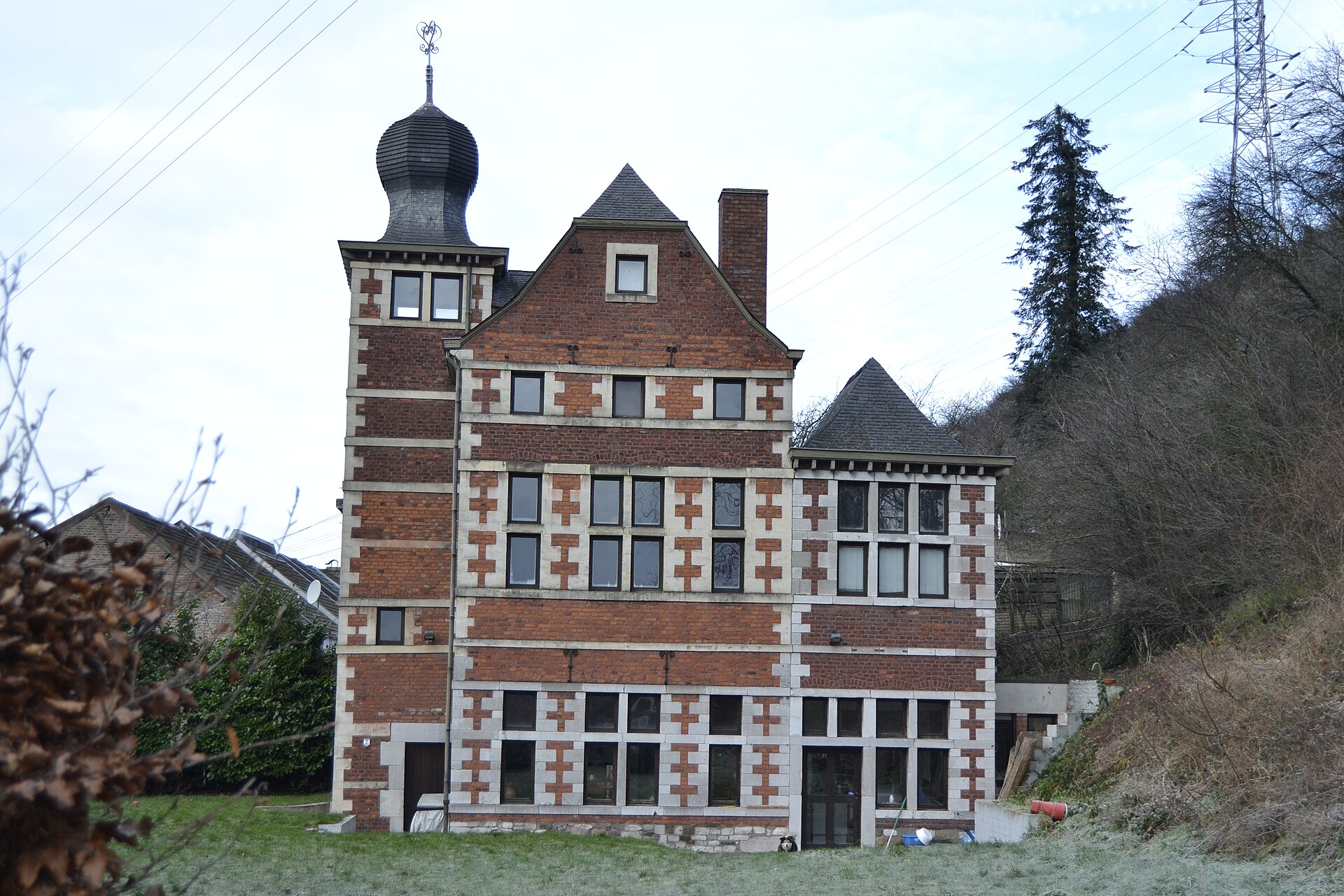
Curtius Palace is considered one of the most representative examples of Mosan style architecture. The distinctive combination of red brick and pale stone, richly decorated façades and carved mascarons make it a heritage site listed among Wallonia's exceptional patrimony. For visitors, that means a trip to Grand Curtius offers contact not only with the museum's artifacts but with four-century-old architecture in its own right.
Frequently asked questions
When was Curtius Palace built? Between 1600 and 1610, commissioned by Jean Curtius.
Who founded the palace? Jean de Corte, known as Curtius, a wealthy arms and gunpowder dealer who supplied the Spanish army.
Since when has there been a museum here? The first archaeological museum opened in 1909, and the current Grand Curtius complex has operated since March 2009.
What collections can visitors see? Archaeology, arms and armor, glassware, religious art and Mosan art — spanning seven thousand years of history.
Nearby places

Earn badges for the places you visit
Download NextOnTrip, discover new places and check off your trails.