About this place
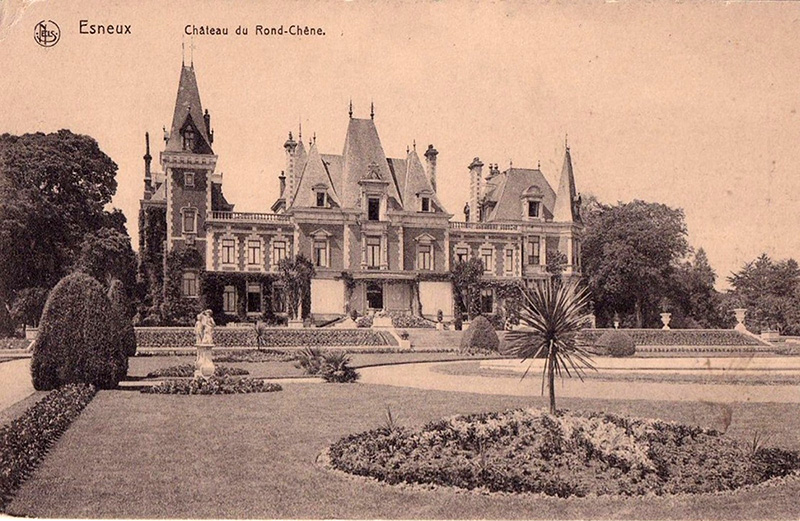
Château du Rond-Chêne is a sprawling manor house in the municipality of Esneux, in the province of Liège, at the heart of Wallonia. The main building, made up of several linked architectural volumes, sits at the center of an estate of roughly 40 hectares of parkland and forest, making it a destination that appeals both to architecture enthusiasts and to anyone looking for a quiet walk among mature woodland.
How far back does the site's history go?
The story of this place stretches well beyond what the current building's appearance suggests. The fief of Rond-Chêne, also referred to as the fief of Salte or Sart, is already recorded in the 13th century. The earliest known named reference is Jackemin de Ronchienne, mentioned in a charter dated 1298 — proof that the land was settled and owned long before anything resembling today's château existed.
What happened here in the 17th and 18th centuries?
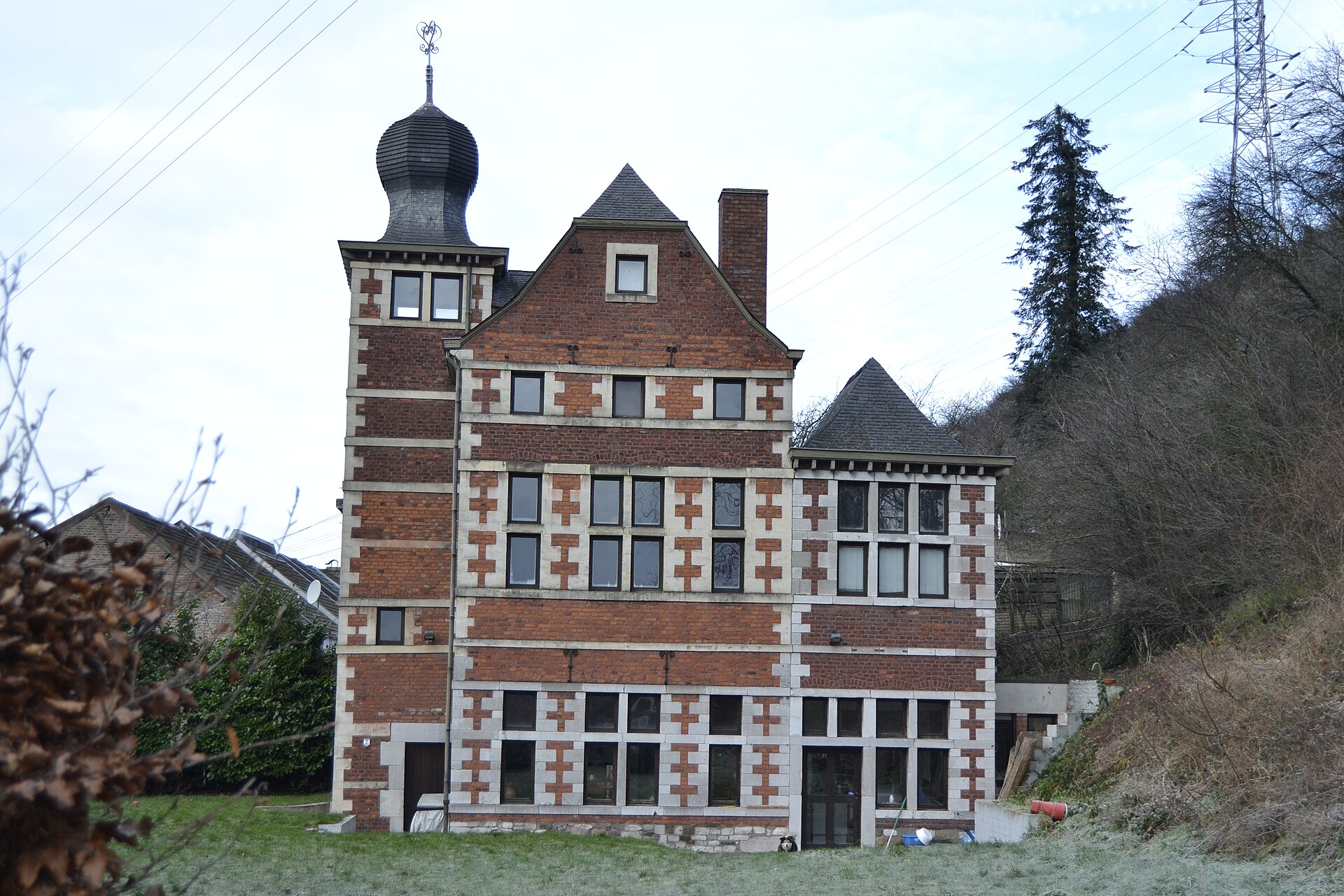
In the 17th century the estate belonged to the Abbey of Saint-Laurent, one of the region's significant religious institutions based in Liège. The outbuildings and service structures still standing today date from the 17th and 18th centuries, making them the oldest physically surviving elements of the entire estate — older than the château itself.
When was the current château built, and by whom?
The building known today as Château du Rond-Chêne took its present form at the end of the 19th century. In 1882 the property passed to Georges and Hortense Montefiore-Levi, a Belgian industrialist couple, and it is under their ownership that the residence acquired the shape it largely retains today.
What role did Baron Louis Empain play?
In the 1930s the estate was bought by Baron Louis Empain, a well-known Belgian businessman and patron, who intended to turn it into a boarding school linked to his foundation, Pro-Juventute. Empain expanded the domain and added new buildings that were modern for their time, including a gymnasium and dormitories. It was under his ownership that the estate gained the educational purpose that, in various forms, it still serves today.
What is the château used for now?
Pro-Juventute ceased its activities in 1967, after which the domain was acquired by the Walloon regional authorities. Today the property belongs to the French Community of Belgium, which uses it to organize school trips and stays for children and young people — the educational function Empain introduced nearly a century ago continues, albeit under a different institutional framework.
Can visitors walk around the grounds?
The main building itself functions as a school residential centre, so access to its interior is limited and tied to ongoing educational activity. The extensive parkland and woodland surrounding it, typical of this kind of 19th-century residential estate, remain a distinctive feature of the Ourthe valley landscape around Esneux.
Frequently asked questions
Where exactly is Château du Rond-Chêne located? In the municipality of Esneux, province of Liège, in the Wallonia region of southern Belgium.
How large is the estate surrounding the château? The domain covers roughly 40 hectares of park and forest around the main building.
Who manages the property today? The French Community of Belgium, which uses the château for educational purposes and school trips.
Does the site have medieval roots? The Rond-Chêne fief is documented from the 13th century, but the château's current form dates from the late 19th century — the earlier centuries are represented mainly by surviving 17th- and 18th-century outbuildings.
Nearby places

Earn badges for the places you visit
Download NextOnTrip, discover new places and check off your trails.