- Monuments
- Castles
Château de Saint-Ouen (Saint-Ouen, Seine-Saint-Denis, France)
About this place
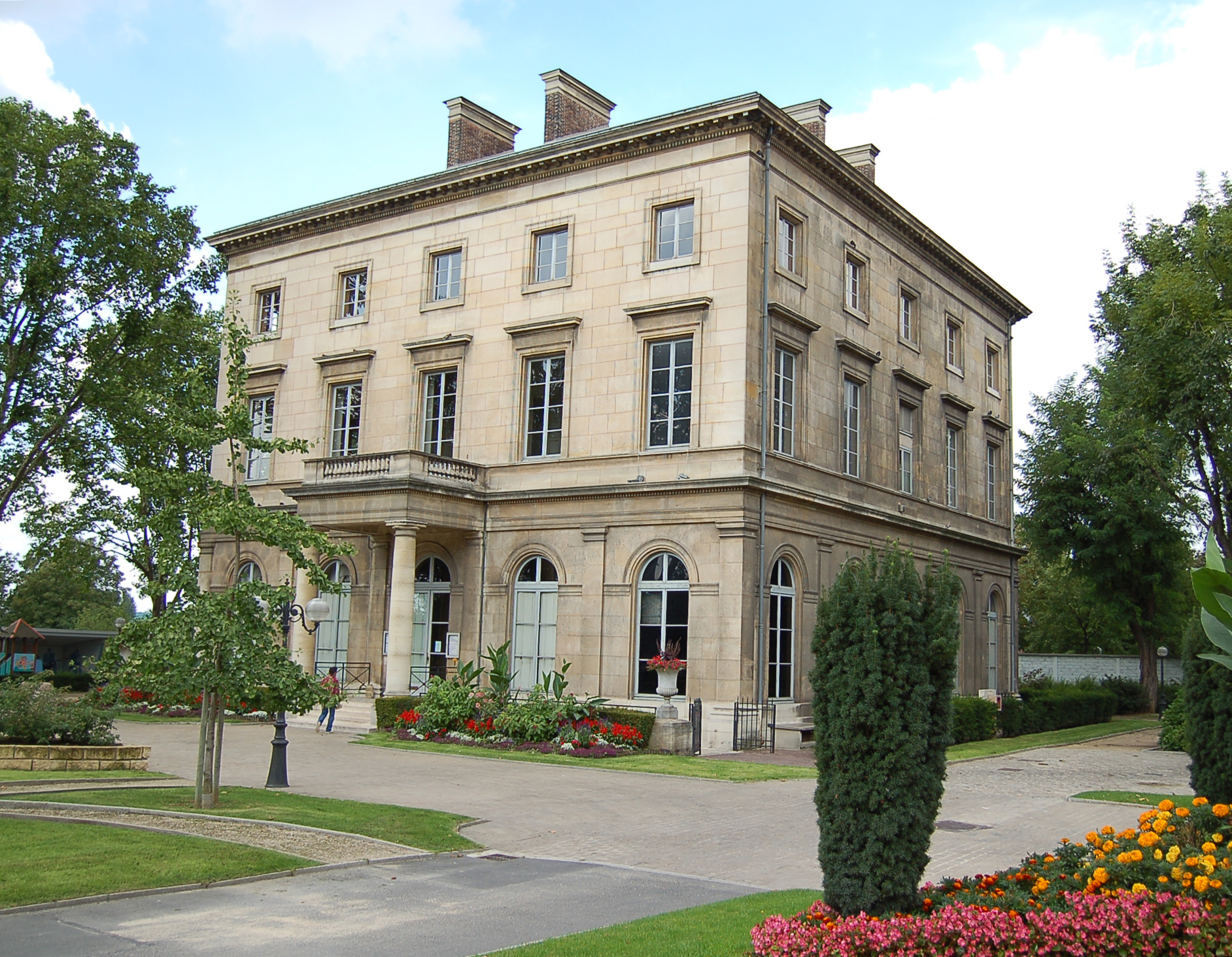
The Château de Saint-Ouen stands in Saint-Ouen-sur-Seine, just north of central Paris, and owes its fame to a single night in 1814 when a king's signature reshaped France's political future.
Where did the château originally come from?
Construction on this site began in 1664, when Joachim Adolphe de Seiglières de Boisfranc, chancellor to the brother of Louis XIV, commissioned architect Antoine Lepautre to build a new residence, completed by 1669. Ownership passed through several hands over the following century; from 1759 until her death in 1764, the estate was held by Madame de Pompadour, the celebrated favorite of Louis XV. In 1811 the property was acquired by Vincent Potocki, a Polish grand chamberlain and cavalry general, and his wife, Princess Potocka, became its mistress during the final turbulent years of Napoleon's empire.
What makes this address politically significant?
On the night of 2–3 May 1814, on the eve of his ceremonial entry into Paris, the future Louis XVIII stopped at the Boisfranc château and was received there by Princess Potocka. Pressed by Talleyrand and members of the Senate, and with the backing of Tsar Alexander I, he signed the Declaration of Saint-Ouen — a text foreshadowing the constitutional Charter of the Restoration and reconciling royal authority with the gains of the Revolution and Napoleonic era. That single act turned a relatively modest country estate into a landmark of national history.
Is the building visible today the same one from the 1660s?
No. In 1822 Louis XVIII sold the estate to his favorite, the Comtesse du Cayla (Zoé Talon), for 400,000 francs. Between 1821 and 1823, architects Jean-Jacques-Marie Huvé and Jacques-Ignace Hittorff built her an entirely new residence in the refined neoclassical idiom of the Restoration period, replacing the earlier Boisfranc château. The result is now considered one of the finest surviving examples of Restoration-era architecture in the Paris region, and the whole complex is listed as a historic monument.
What can visitors find inside the château now?
The commune of Saint-Ouen-sur-Seine has owned the building since 1969, and it currently houses the town's local history museum. Exhibits trace the area's transformation from an agricultural village favored by French royalty into an industrial hub and, more recently, a rapidly redeveloped district on Paris's northern edge. The surrounding grounds and gardens remain a popular spot for residents and a recognizable landmark within the local cultural heritage.
Frequently Asked Questions
Can you visit the Château de Saint-Ouen? Yes, the building houses the town's local history museum, open to the public during set hours; it is worth checking current opening times before visiting, since some exhibits rotate.
What is the difference between the current château and the 17th-century one? The original Boisfranc residence from the 1660s was demolished and replaced between 1821 and 1823 by the neoclassical building commissioned by the Comtesse du Cayla — that is the structure standing on the site today.
Why is this château historically important? It was here, in May 1814, that Louis XVIII signed the Declaration of Saint-Ouen, the document that paved the way for the constitutional Charter of the Restoration and marked a peaceful political transition after Napoleon's fall.
How do you get to the Château de Saint-Ouen? The château sits in Saint-Ouen-sur-Seine, directly on the northern edge of Paris, making it easily reachable by public transport from the city center.
Nearby places

Earn badges for the places you visit
Download NextOnTrip, discover new places and check off your trails.