About this place
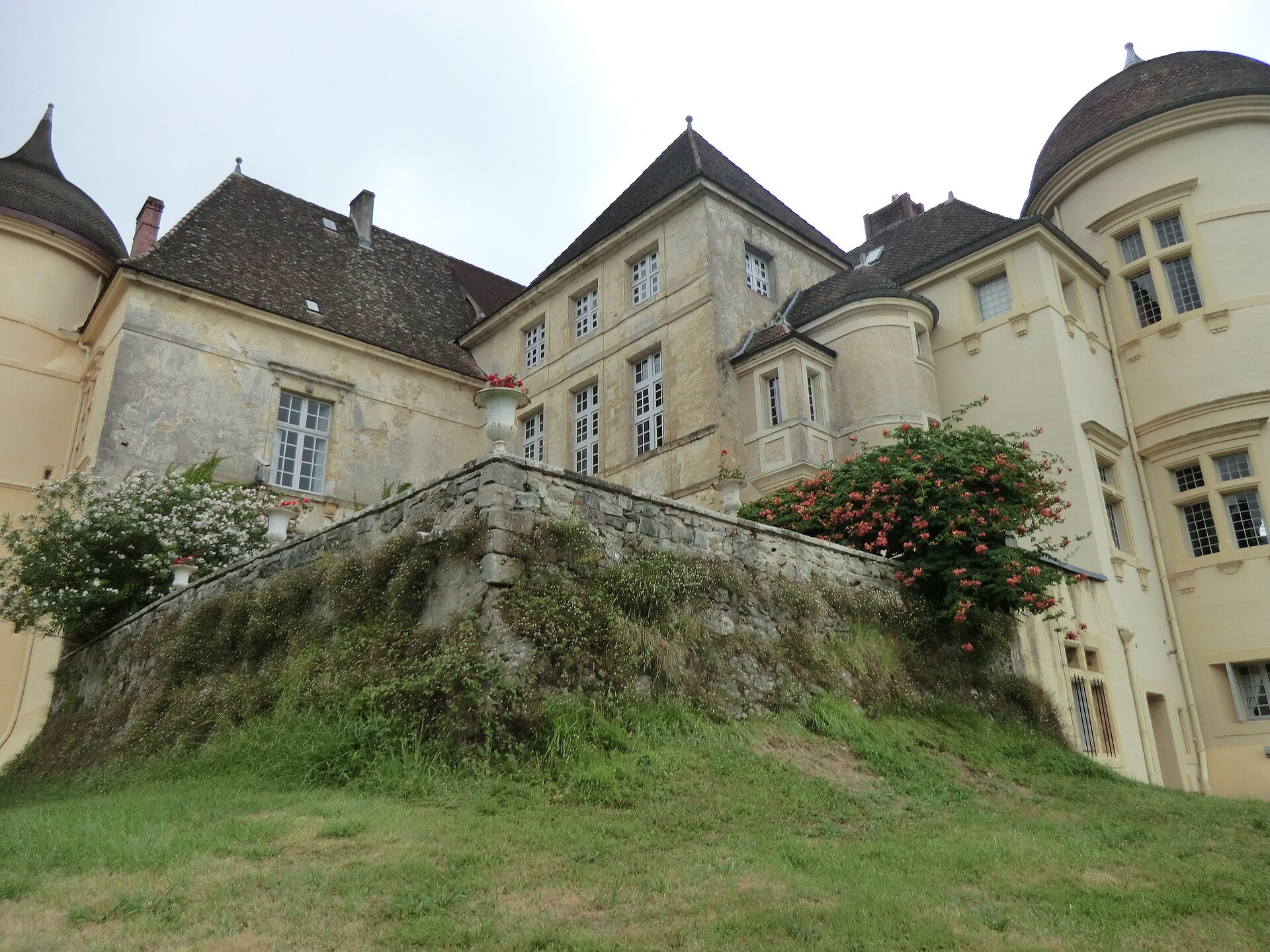
Château de Saint-Martin is a Renaissance-to-classical noble residence standing along the Route Océane in Saint-Martin-de-Seignanx, a small commune in the Landes department, only a short drive from Bayonne and the Atlantic coast. The building remains privately owned and is not regularly open for interior visits, yet it stands as one of the most significant pieces of residential architecture in the Nouvelle-Aquitaine region — well worth a stop for anyone driving the route linking the Landes to the Basque Country.
Where does this building come from?
The story of the site goes back to the mid-16th century, when Saint-Martin was a barony whose lords held an extensive domain across the Landes. The château's current form is the result of several successive building campaigns rather than a single architectural plan. The first phase dates to the late 16th and early 17th centuries, when Jean de Saint-Martin, seneschal of the Landes, had the western residential wing flanked by two towers rebuilt — work usually dated to around 1600.
A far more ambitious phase followed in the mid-17th century. It was then that Bernard de Saint-Martin commissioned the central, L-shaped pavilion housing the monumental staircase, today regarded as one of the finest achievements of regional classical architecture. The ensemble was later completed with a north tower, rebuilt only at the end of the 19th century, giving the château its distinctive, layered silhouette that blends elements from three different centuries.
What can you actually see from the outside?
The building follows an L-shaped plan, with two round towers on the north side and a further tower to the south, the whole covered with flat clay tiles typical of the region's building tradition. The greatest artistic asset is the grand staircase with its painted decoration inside the central pavilion; its murals were restored in 1894 by the Bordeaux painter Auguste-Antoine Durandeau, a sign of how highly this interior was already valued in the 19th century. While you cannot walk into it on a regular visit, the château's overall massing — contrasting the older, sterner towers with the more decorative central block — lets you trace the evolution of style across more than three centuries just by looking at the façade.
The château was listed as a monument historique on 5 October 1994, confirming its status as one of the more important architectural heritage sites in the Landes department.
When and how is it best to visit?
Since the property is privately owned, the best way to experience it is simply to walk or drive along the Route Océane, from where the façades and towers are clearly visible. Spring and early summer are the best seasons, when the surrounding greenery hasn't yet fully screened the view and morning light favors the western residential wing. Saint-Martin-de-Seignanx sits close to the motorway linking Bordeaux to the Spanish border, so the château fits naturally into a route combining Bayonne, the Landes beaches, and the first Basque towns such as Biarritz or Saint-Jean-de-Luz. A short stop of 15–20 minutes is enough to walk around the château and take photos as part of a longer day exploring the region.
Frequently asked questions
Can you visit the inside of Château de Saint-Martin? No — the château remains privately owned and is not regularly open to visitors, including the famous painted staircase. You can, however, view the building from the outside, from the public road.
How old is the château? The oldest surviving elements date from around 1600, although the history of the Saint-Martin family and the barony itself goes back to the mid-16th century. The north tower was only rebuilt at the end of the 19th century.
Why is the château protected as a heritage site? Because of its architectural value — especially the monumental painted staircase — the building was listed among France's monuments historiques in 1994.
What else is nearby? Saint-Martin-de-Seignanx lies close to Bayonne, Tarnos, and the Atlantic coast, making the château a convenient stop on a route between the Landes and the Basque Country.
Nearby places

Earn badges for the places you visit
Download NextOnTrip, discover new places and check off your trails.