Save this place and discover nearby attractions with NextOnTrip
In the app you can add it to your favorites, see what else is worth visiting nearby on the map, and earn a badge for your visit.
The app is available for iPhone and Android.
About this place
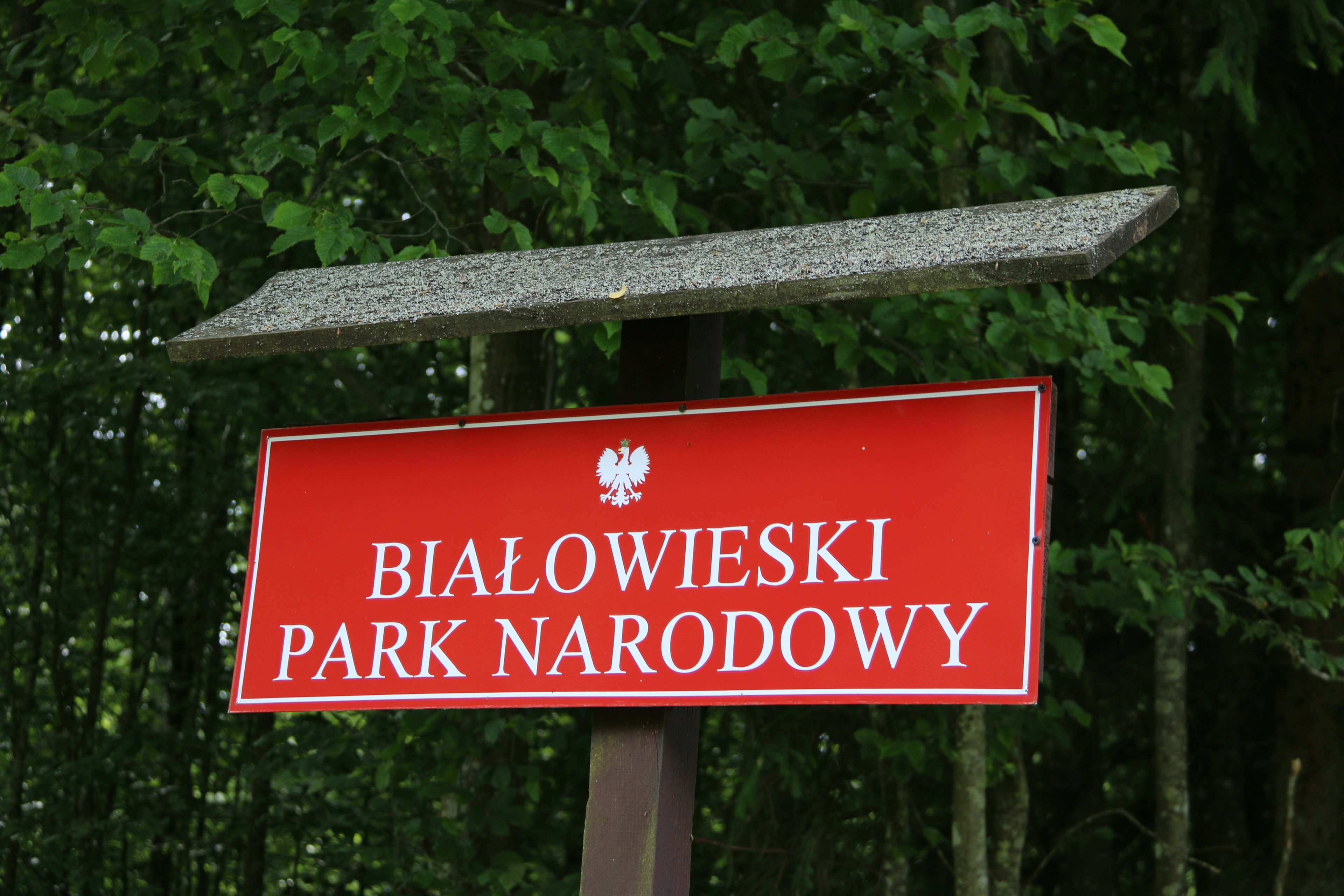
Białowieża National Park is one of the oldest national parks in Poland and one of the few places in Europe where nature still runs largely on its own terms. It lies in Podlaskie Voivodeship in eastern Poland, right next to the Belarusian border, and protects the best preserved part of the Białowieża Forest, Europe's last fragment of temperate primeval lowland forest.
Where is Białowieża National Park and how big is it?
The park covers about 105.2 square kilometres (40.6 sq mi) and sits roughly 62 km (39 mi) southeast of Białystok. Its coordinates are around 52.77° N, 23.87° E. The remote location on Poland's eastern edge means the trip takes some planning, but the reward is a landscape that has almost vanished from the rest of the continent.
When was the park created?
Protection of this area has a long history. A national park in Białowieża was established by a regulation of the Minister of Agriculture and Agrarian Reforms, in force from 11 August 1932. The park was restored in its present form by a Council of Ministers regulation of 21 November 1947. It is the second national park in Poland after Pieniny National Park, and one of the first in Europe.
What does the park protect?
The forest itself is the main treasure. The Białowieża Forest is a remnant of primeval temperate woodland that once stretched across much of the European Plain. The second reason for the park's fame is the European bison. The forest is home to the world's largest free-living population of the species, counted in the hundreds. The bison is the heaviest land animal on the continent. Alongside it live wild boar, elk, wolves and lynx.
How can you visit?
The Strict Reserve, the most protected part of the park, can be entered only with a licensed guide. Contact details for guides, including the Sóweczka natural tourism office and the Czajka tourism agency, are listed on the park's website. It is wise to book ahead, especially in high season.
On your own you can use the hiking and cycling trails and the observation towers located in the park and in the surrounding managed forest. Among the most popular routes are the "Żebra Żubra" boardwalk trail and the Royal Oaks Trail.
Where can you see a bison up close?
Meeting a wild bison in the forest is never guaranteed, so many visitors head to the Demonstration Bison Reserve. It shows the large forest mammals: bison, elk, deer, wild boar, wolves and lynx, as well as tarpan-type ponies and żubronie, hybrids of bison and domestic cows.
Can you visit the Palace Park?
The Palace Park lies just north of the tourist office. It is not part of the national park, so entry is free. It makes a calm walk at the start or end of a day in Białowieża.
Frequently asked questions
Can I enter the Strict Reserve on my own? No. Entry is possible only with a licensed guide.
How many bison live in the forest? Several hundred, forming the largest free-living population in the world. More than 600 live on the Polish side of the forest.
Is the Palace Park paid? No. It is outside the national park, so entry is free.
How far is it from Białystok? About 62 km (39 mi) southeast of the city.
Which animals might I see? Bison, elk, wild boar, wolves and lynx. The easiest place to see them is the Demonstration Bison Reserve.
Are there cycling routes? Yes, the park and nearby forests have hiking and cycling trails and observation towers.
Earn badges for the places you visit
Download NextOnTrip, discover new places and check off your trails.