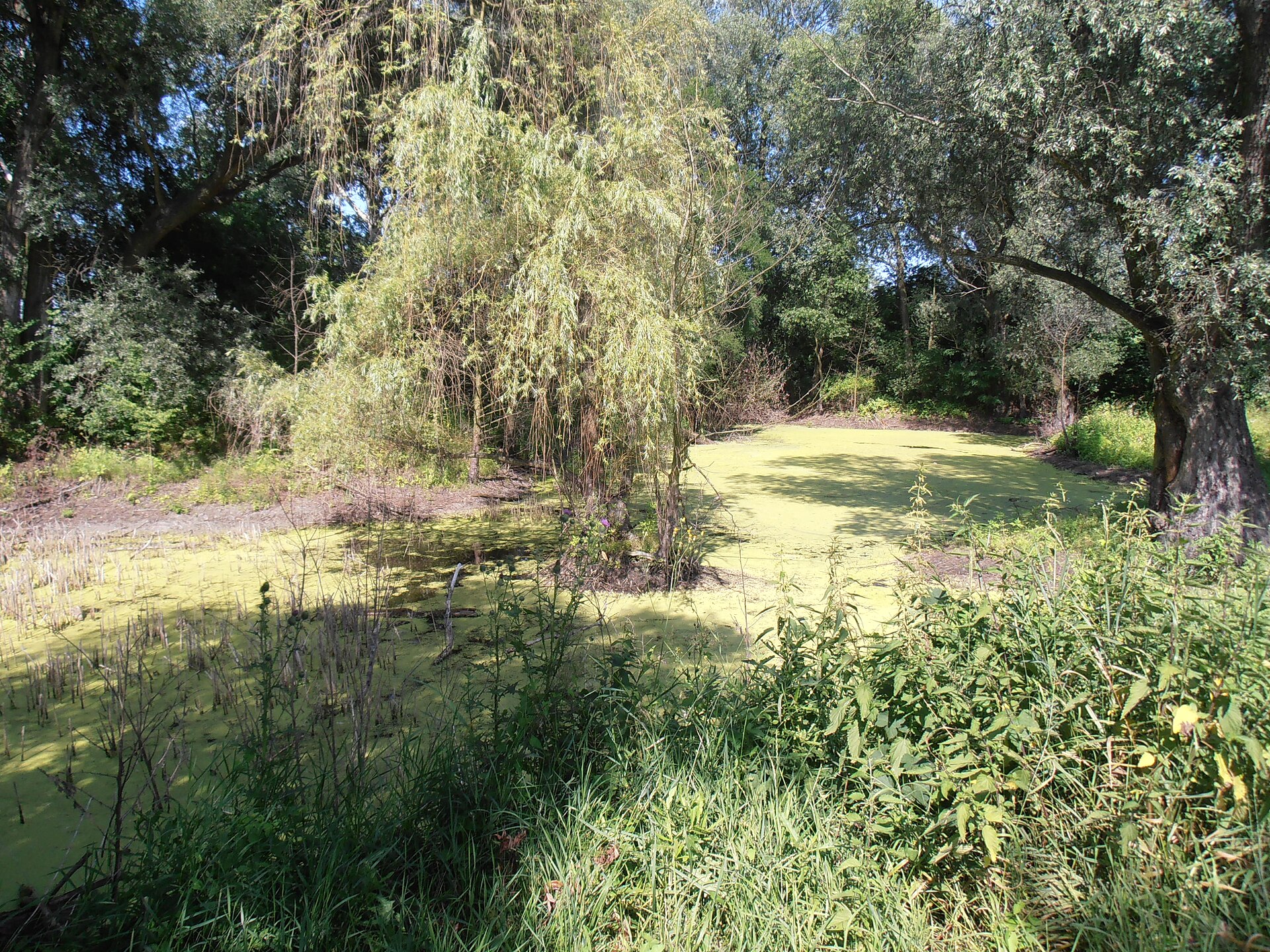
About this place
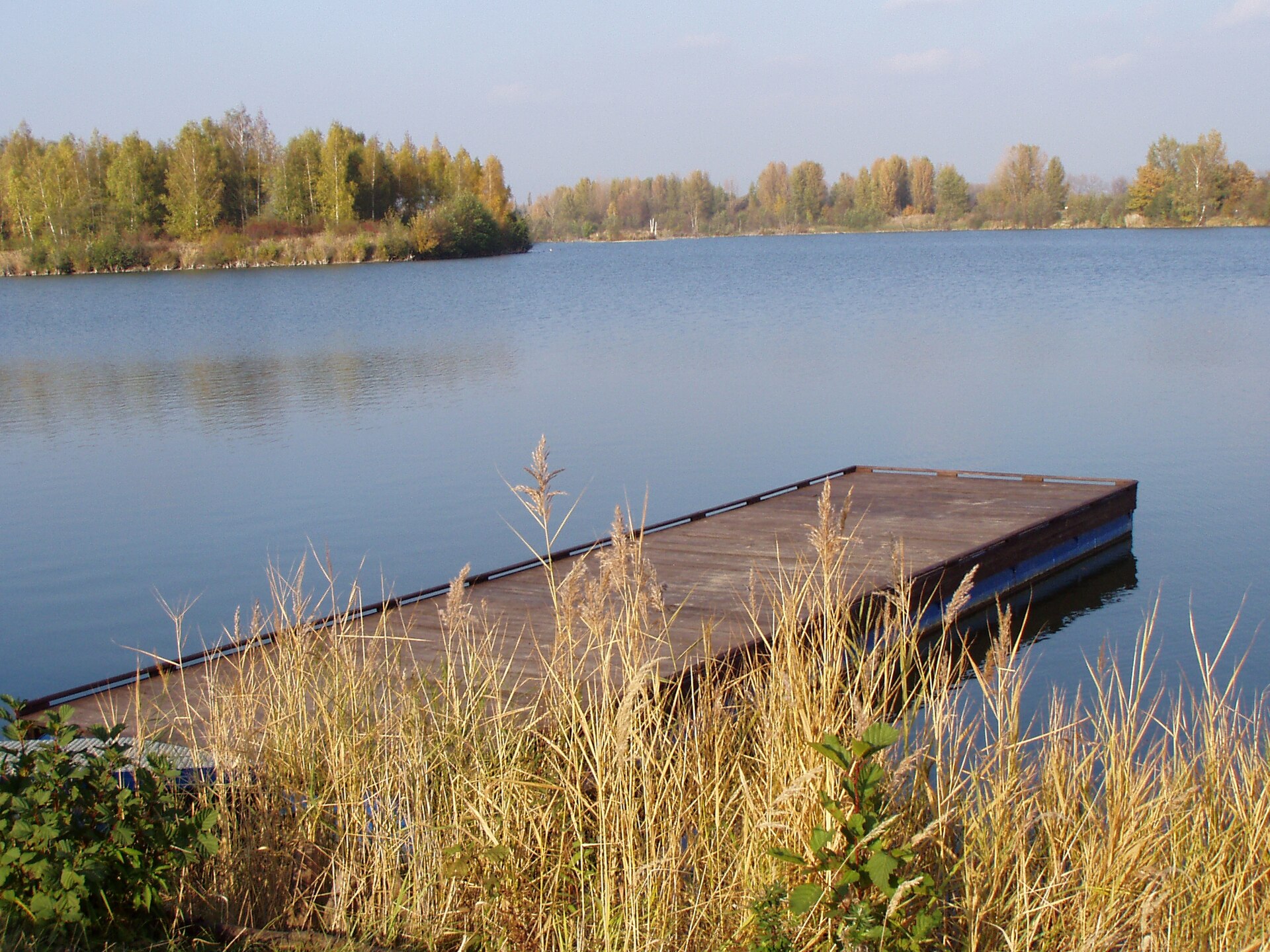
Bázlerova pískovna is a small but ecologically significant nature reserve located in fields roughly half a kilometer north of the edge of Olomouc, in the city district of Lazce, within the cadastral territory of Černovír. At its center lies a small lake formed by former gravel and sand extraction, surrounded by riverside vegetation and a mosaic of aquatic, wetland, and meadow habitats.
How did this reserve come to exist?
The lake that now forms the heart of the site is a relic of industrial activity — gravel mining. Once extraction stopped, the abandoned pit began to regenerate naturally, gradually turning into a habitat favorable to numerous plant and animal species tied to aquatic environments. The lake itself was granted legal protection on 30 July 1993, initially covering just 0.28 hectares. In 2005 the protected area was substantially enlarged to include the surrounding meadow and wetland terrain, bringing the reserve's total size to 5.16 hectares.
Why does this small site matter so much?
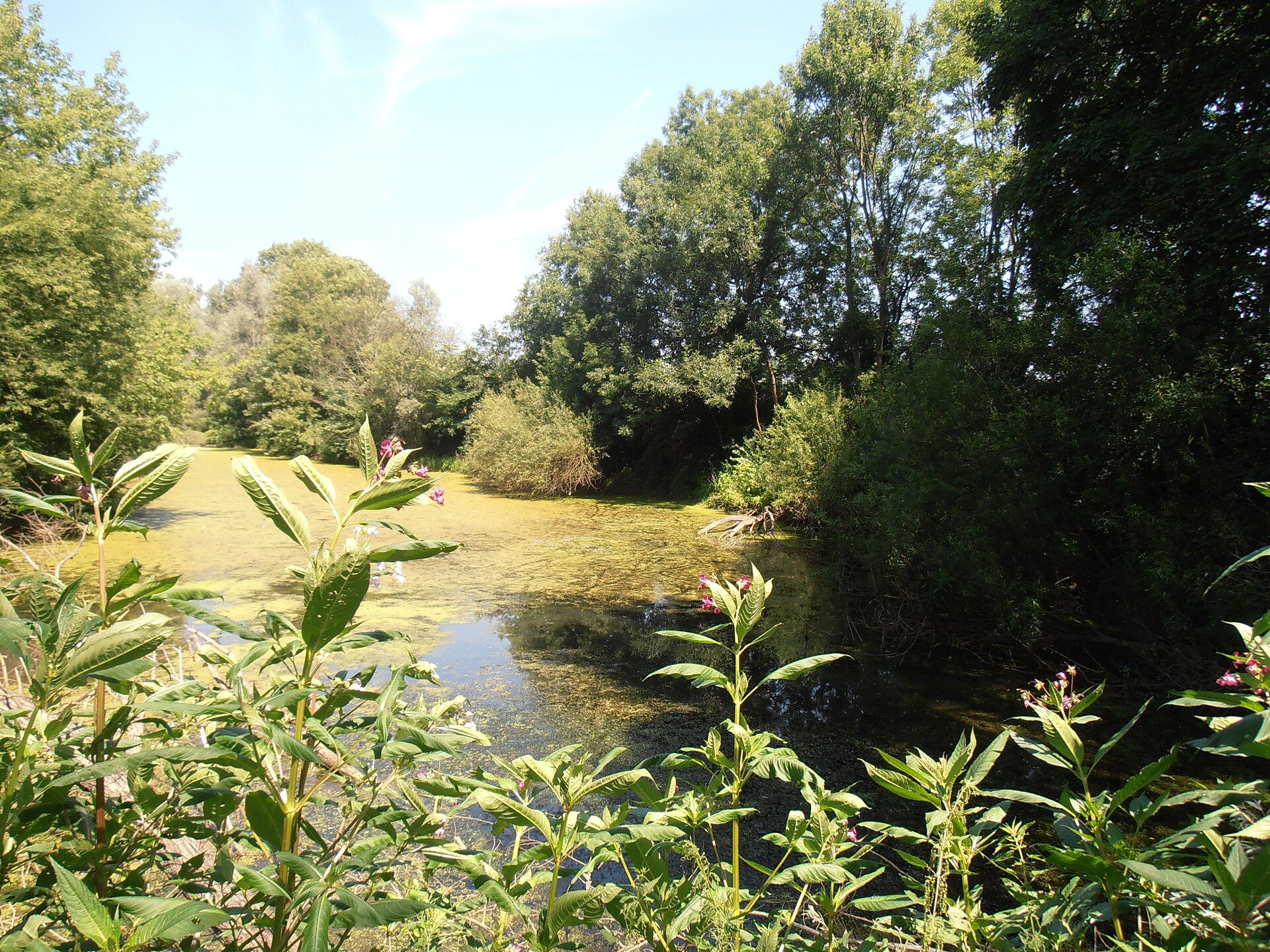
Bázlerova pískovna safeguards a mosaic of aquatic, marsh, and meadow biotopes that support rare plant species and amphibians. Of particular importance is the presence of the common spadefoot toad (Pelobates fuscus), a critically endangered amphibian for which natural water bodies of this kind are an increasingly scarce refuge in the agricultural landscape of Moravia. The presence of this species was one of the key reasons behind extending protection to the entire area around the lake, rather than just the water body itself.
What has been done to protect the site?
In 2014 the reserve underwent de-silting work. Decomposing sediment that had accumulated on the lake bed over the years was removed, and the shoreline was cleared of overgrown vegetation. The goal of this intervention was to restore conditions favorable for amphibian breeding, including the spadefoot toad, for which open water surface and accessible banks are essential during the mating season. Interventions of this kind, though seemingly invasive, are a standard management practice for small wetland reserves, where natural vegetation succession could otherwise lead to the complete overgrowth and disappearance of open water.
What can visitors expect to see?
Despite its modest size, the reserve offers a glimpse into how a mosaic of wetland habitats functions — from open water, through reedbed vegetation, to drier meadow patches at the margins. This is a destination primarily for those interested in nature observation, birdwatching, or amphibians, rather than a conventional tourist attraction with visitor infrastructure. Its proximity to Olomouc makes it easy to combine with a city visit as a quiet, low-key stop close to nature.
Frequently asked questions
Where exactly is Bázlerova pískovna located? In fields about half a kilometer north of the edge of Olomouc, in the city district of Lazce, within the cadastral territory of Černovír, in the Olomouc Region.
How large is the reserve? Following its 2005 expansion, it covers 5.16 hectares — originally, when established in 1993, it was just 0.28 hectares covering the lake alone.
Which species receives special protection here? The common spadefoot toad (Pelobates fuscus), a critically endangered amphibian for which the lake serves as an important breeding habitat.
Has any conservation work been carried out at the site? Yes, in 2014 the lake was de-silted and its shoreline cleared of overgrown vegetation to improve conditions for amphibians.
Nearby places

Earn badges for the places you visit
Download NextOnTrip, discover new places and check off your trails.