About this place
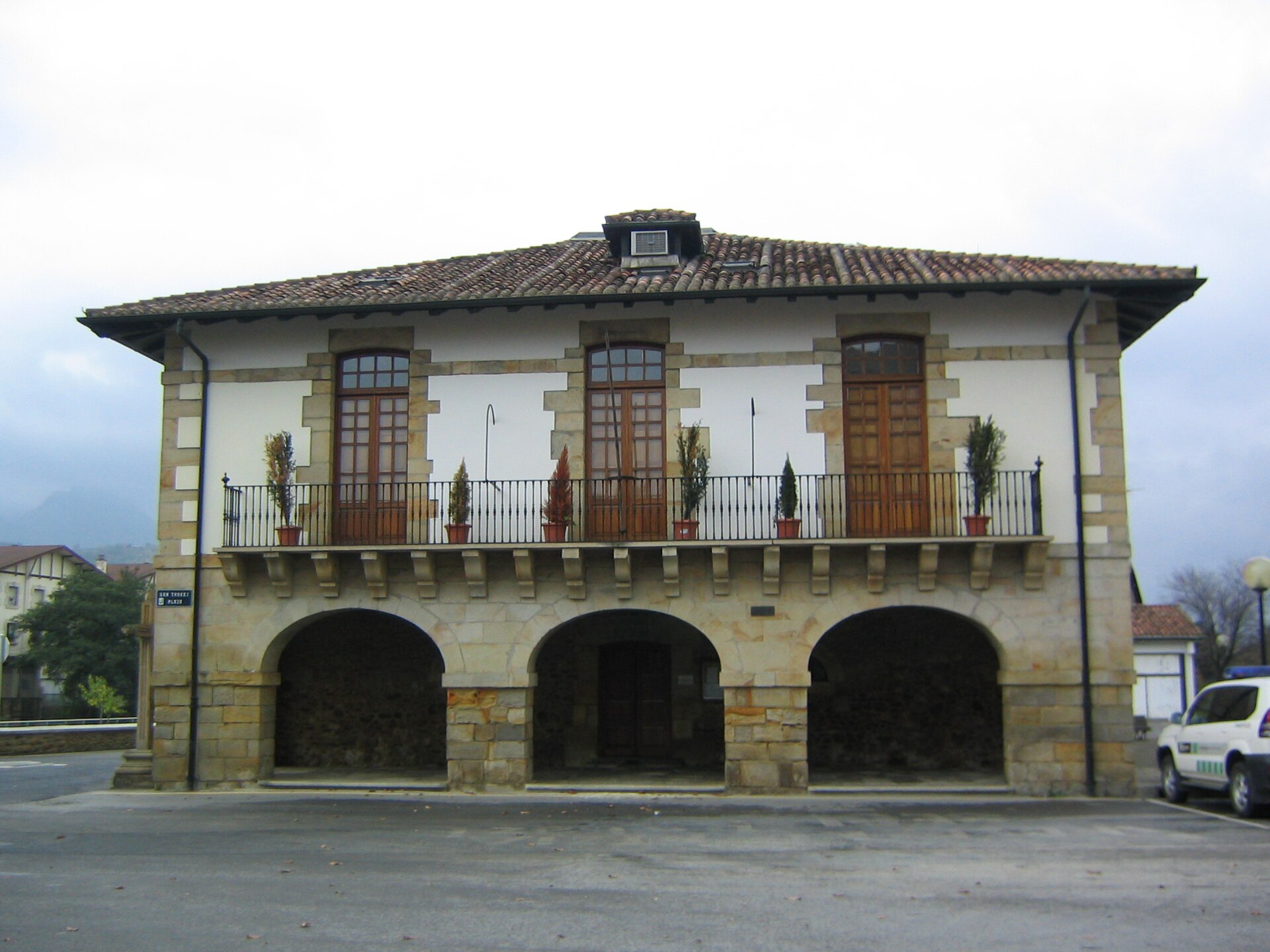
Abadiño is a municipality in Biscay, in the Basque Country, part of the Durangaldea district. Its administrative and historic core is Zelaieta, the neighbourhood where the town hall and parish church stand and where local life has traditionally centred.
Where is Abadiño and how is it laid out?
The municipality spreads across varied terrain, from the floor of the Arratia river valley up to the slopes bordering the Urkiola range. Rather than one compact town, Abadiño is made up of Zelaieta plus several smaller settlements and scattered farmsteads, a pattern common across this part of Biscay.
What are the main sights in Abadiño?
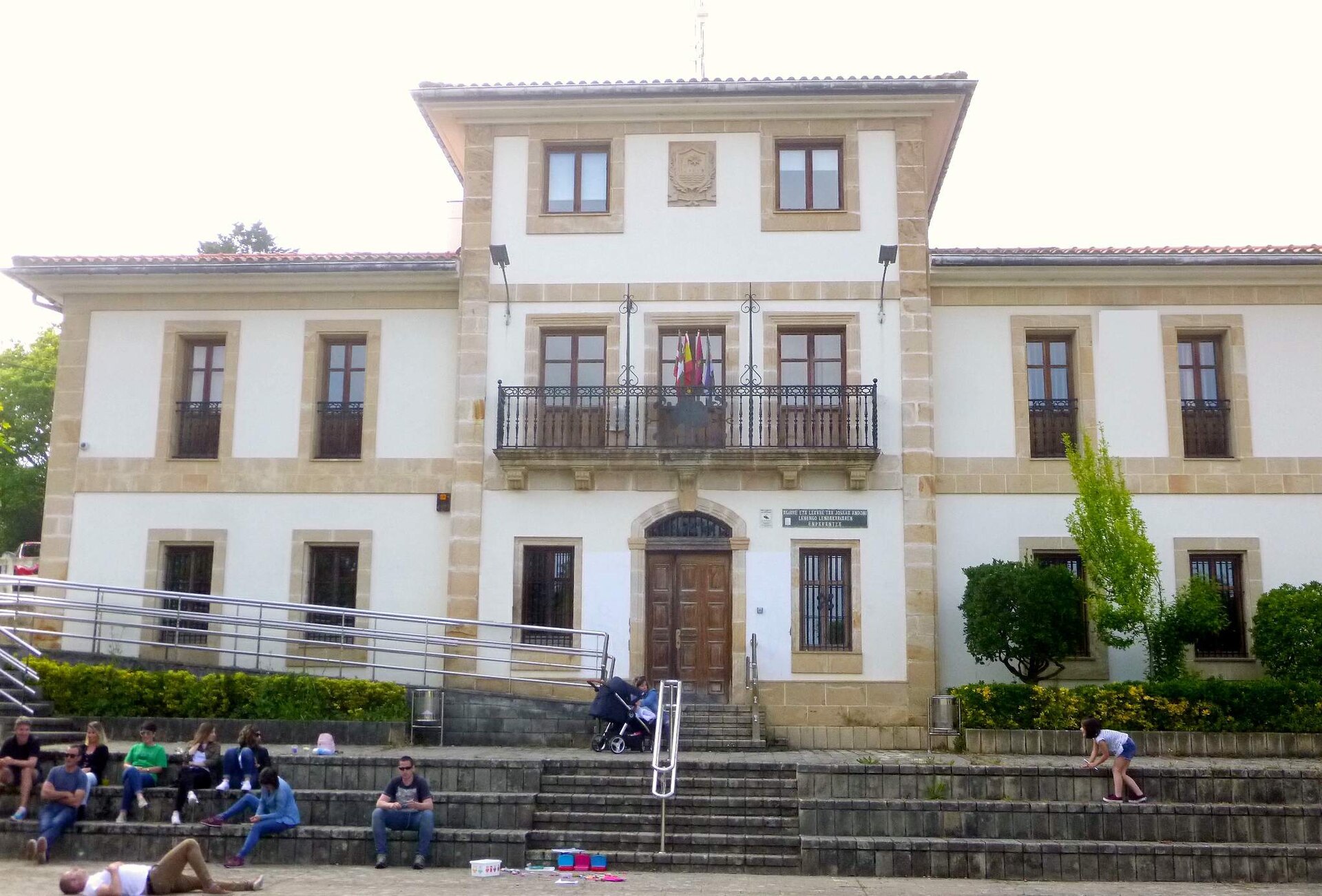
The municipality has a notable architectural heritage. Several grand manor houses stand within its boundaries, including Palacio Urbarrena, Palacio Uribarren, Palacio Ibaigoiti and Palacio Traña-Jauregi. In Zelaieta itself stands Palacio Zelatabe, also known as Palacio Galíndez, built in 1913 and now used as a municipal children's facility.
A defining feature of the local landscape is the Basque caserío — sturdy farmhouses built from limestone and timber. Abadiño is home to a large number of these, some of them among the most striking examples found anywhere in Biscay.
Another notable landmark is the Muntsaratz tower, regarded as one of the most significant defensive towers of its kind in the area.
What can visitors see beyond the town centre?
Outside the built-up area lies the Sanctuary of San Antonio, set among oak woods and hills that form part of Urkiola Natural Park. In the same mountain range, at the foot of the Anboto massif, stands the Urkiola sanctuary, home to the image of the Virgin of Urkiola, venerated as the patron saint of Biscay and drawing pilgrims from across the wider region.
Visitors interested in prehistory can also find several caves within the municipality: Bolinkoba, Oyalkoba (which has yielded Bronze Age finds), Hastakoba and Albiztey.
What walking routes are there in Abadiño?
The Ruta de los Molinos follows the Arratia river through the municipality, passing small waterfalls and the remains of old water mills that once powered the local economy. A shorter option links Zelaieta with Gaztelua along a path that runs past trenches dug during the Carlist Wars, now maintained as a walking trail.
Frequently Asked Questions
Where is the administrative centre of Abadiño? The administrative and historic centre is Zelaieta, home to the town hall and the parish church.
What are the must-see landmarks in Abadiño? Highlights include the Muntsaratz tower, the manor houses of Urbarrena, Uribarren, Ibaigoiti, Traña-Jauregi and Zelatabe, and the traditional Basque caserío farmhouses scattered across the municipality.
Are there caves to visit in Abadiño? Yes, the municipality has several caves — Bolinkoba, Oyalkoba, Hastakoba and Albiztey — some containing finds dating back to the Bronze Age.
Which hiking routes are recommended in Abadiño? The Ruta de los Molinos along the Arratia river is the best known, along with a shorter walk between Zelaieta and Gaztelua that follows old Carlist War trenches.
What is kept at the Urkiola sanctuary? The sanctuary, located in the Urkiola mountain range near Abadiño, holds the image of the Virgin of Urkiola, honoured as the patron saint of Biscay.
Nearby places

Earn badges for the places you visit
Download NextOnTrip, discover new places and check off your trails.